





Introduction: Bucharest’s Transport Hubs — why this guide matters
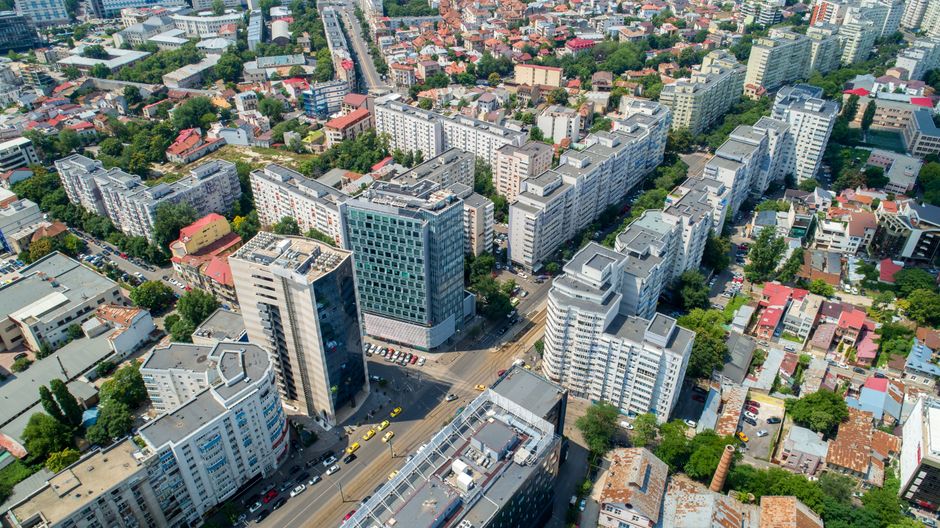
Bucharest is a city in flux: sprawling, occasionally chaotic, but served by a public transport network that—when you know how to use it—lets you cross the city quickly and cheaply. This comprehensive guide will point out the main transport hubs in Romania’s capital, explain where to change to make your journeys smoother, and compare prices, timetables and a few local tricks. It’s aimed at short-stay travelers, business visitors and new residents who want to save time and avoid common mistakes.
A few names will keep coming up: Henri Coandă International Airport (OTP), Gara de Nord (Bucharest North Railway Station), Piața Unirii, Piața Victoriei and Basarab. Each hub serves a specific purpose—international connections, rail interchange, metro node or long-distance bus terminal—and offers ancillary services (left-luggage, ticket offices, official taxis, shops, cafés). This guide not only tells you where these places are, but how to change there efficiently (which platform, which exit, which escalator to take), what it costs in euros today, and which hours are busiest.
You’ll find practical details like exact addresses (for GPS), typical opening times, fares converted to euros for quick decision-making, plus field tips—when to take a suburban train instead of a bus, which metro route avoids traffic at rush hour, which station has luggage lockers, and how to time a connection between a long-distance train and an international flight. I’ve also included visual cues for the most photogenic spots so you can recognize them as soon as you arrive.
Finally, the guide includes recommendations to reduce risk: avoid unlicensed taxis, secure your bags when changing at Gara de Nord, buy the right tickets (single fares vs. rechargeable cards), and use local apps like Metrorex (metro schedules), CFR Călători (train timetables), and Bolt and Uber for city rides. If you’re in a hurry, this document will help you plan a clear, realistic route for most urban travel situations. Let’s dive into the major hubs and how to use them best.
Gara de Nord — the rail and multimodal heart (Gara de Nord, Bd. Dinicu Golescu 1)
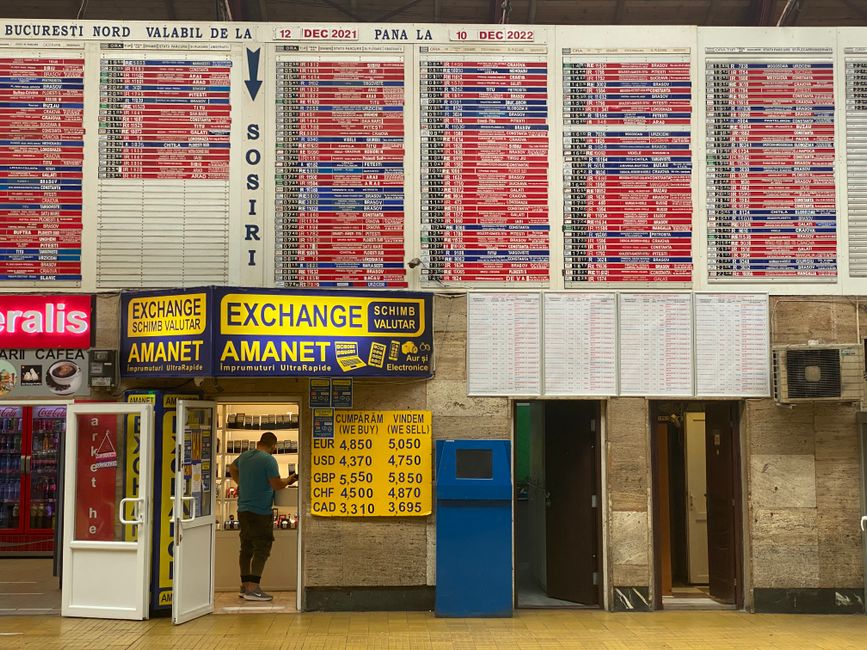
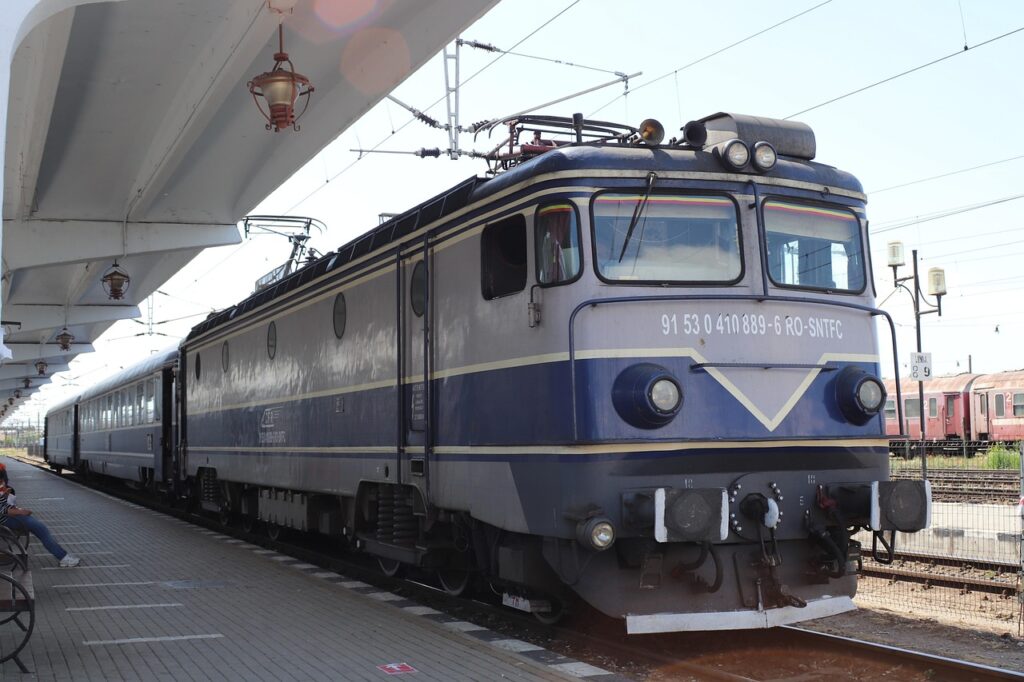
Gara de Nord—also known as Bucharest North Railway Station (address: Bucharest North Railway Station, Bulevardul Dinicu Golescu 1, București 010873)—is the city’s main rail gateway. Long-distance trains (CFR InterRegio and EuroCity), suburban trains, airport shuttles and several metro lines all converge here. The station is well signed, but platforms are long and can require 5–15 minutes of walking depending on which platform you need.
Opening hours: the station provides 24-hour access to platforms, but ticket offices and services (left-luggage, shops) typically operate between 05:00 and 23:00. InterRegio and international train schedules vary; check the CFR Călători website for exact departures.
Fares (examples converted to euros): suburban train (commuter) to Otopeni / the airport (tren regional): around €1.00–€1.50; InterRegio to Brașov: roughly €6–€12 depending on class. Prices fluctuate with booking and season. Note there’s a direct rail shuttle to Henri Coandă (OTP) that’s inexpensive but practical: about €1.50–€2.50.
Connections and tips: Gara de Nord links to the metro (stația Gara de Nord 1 / Gara de Nord 2), served by lines M1 and M4. To change quickly, follow the “Metrou” signs and use the underground passages; during peak crowds (morning 07:00–09:30 and evening 16:30–19:00) favor the East exit (Bulevardul Dinicu Golescu) for taxis and ride-hailing pickups, since the gathering space is larger there.
Services: luggage lockers (check the ticket offices in the main hall), tourist information desks, international ticket machines and car rental desks. Free Wi‑Fi is often available in the main hall but can be spotty on the platforms.
Local tip: if you arrive on a long-distance train and need to catch a flight the same day, allow a two-hour buffer to collect luggage, visit ticket counters and reach the airport shuttle. To save time, book a taxi via an app (Bolt/Uber) from the East exit rather than risk unmetered cabs. If you’re staying in the city, buy a rechargeable transport card (roughly €5–€10 deposit plus top-up) to avoid queues at machines.
Henri Coandă Airport (Aeroportul Internațional Henri Coandă București) — international entry and city connections (Aleea București, Otopeni 075200)
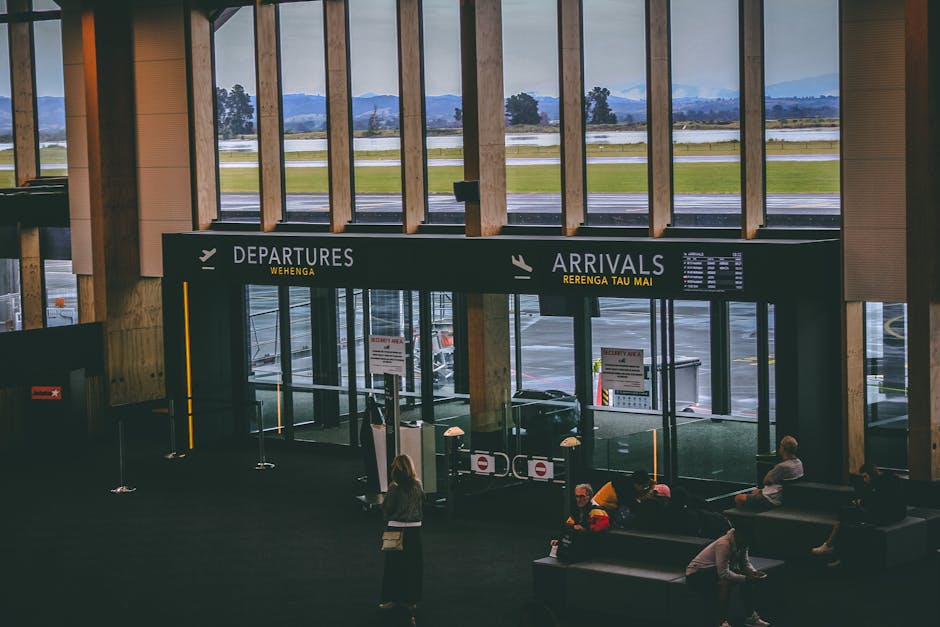
Henri Coandă Airport (IATA: OTP) sits about 16–18 km north of central Bucharest. Official address: Aeroportul Internațional Henri Coandă București, Aleea București, Otopeni 075200, România. It’s the main hub for international flights and has a single but extended terminal serving many European carriers. On arrival and departure, transfer options to the center include train, bus, official taxis and ride-hailing services (Uber/Bolt).
Hours: the airport operates 24/7; however, ground services (shops, rental counters) vary—most stores are open between 05:00 and 23:00. The direct CFR train between Gara de Nord and the airport runs during the day, typically with a first departure around 05:40 and a last service near 23:30 depending on the season; consult CFR for exact times.
Prices in euros (practical estimates):
- Fast shuttle train Gara de Nord ↔ Henri Coandă: about €1.50–€2.50 per person.
- Public bus (Line 780 or metro + bus combo): about €0.70–€1.50.
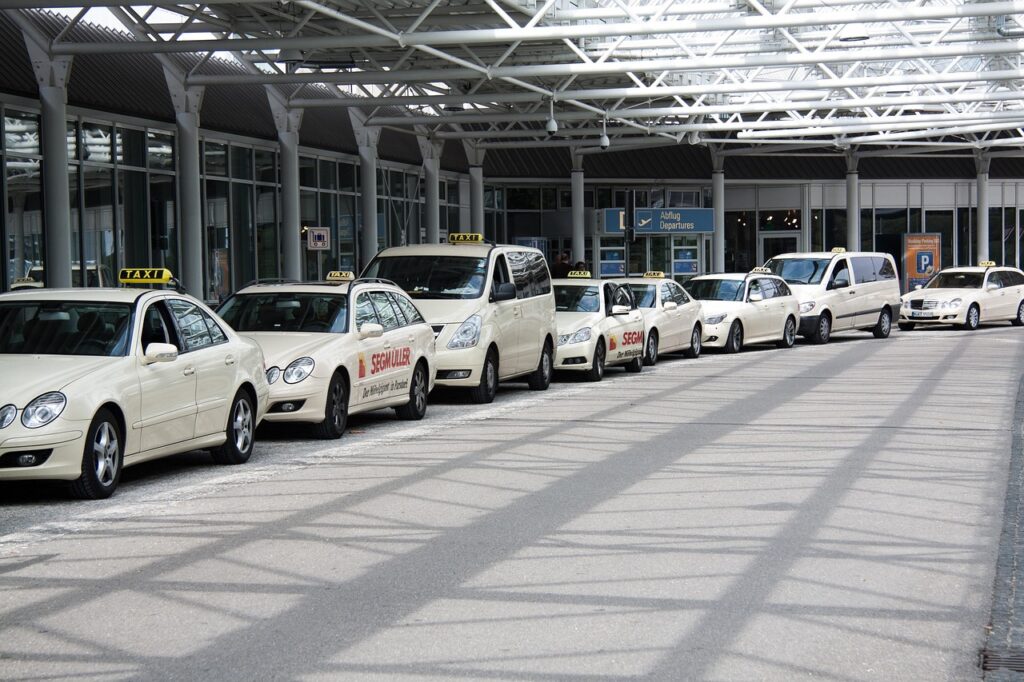
- Official taxi from the airport to the city center: €12–€20 (metered; use registered taxis at the exit).
- Ride-hailing (Bolt/Uber): usually €8–€14 depending on traffic and time of day.
Route optimization: for a fast trip to the center (Piața Unirii / Universitate), a ride-hail is often the most convenient option outside peak hours (cost €8–€12). If you want to save money, take the train to Gara de Nord (check the posted platform) and then transfer to the metro M1/M4 depending on your destination—the train+metro combo takes about 30–45 minutes. For large luggage, choose an official taxi or pre-booked private transfer.
Local tips: on arrival don’t hop into taxis waiting by the terminal without checking the fare—use the official taxi queue or book an app-based ride. If you arrive very early or late, remember the metro isn’t 24/7—plan for a taxi or a pre-paid transfer. For longer stays, the metropolitan transport card (Bilet / Activare) is cost-effective and reloadable at station machines.
Piața Unirii, Piața Victoriei and Basarab — metro and bus interchanges to get around the city fast
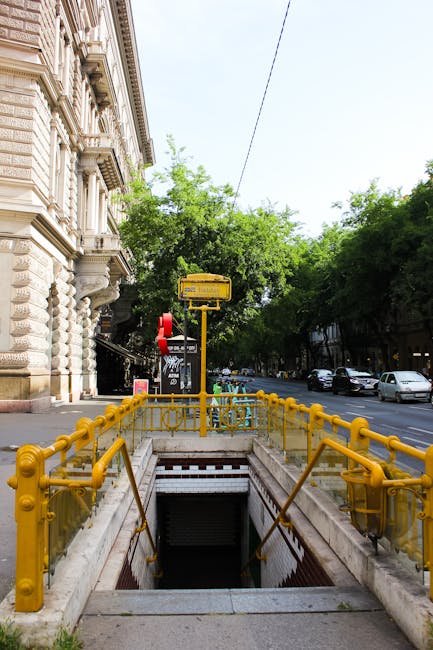
Three metro stations stand out for their central role in the network: Piața Unirii (center-south), Piața Victoriei (center-north) and Basarab (near Gara de Nord). Each enables quick transfers between metro lines, trams and buses, so it’s worth knowing the exits and shortcuts.
Piața Unirii — landmark address: Piața Unirii, Bulevardul Unirii, București.
- Role: main hub for lines M1, M2 and M3. Ideal for reaching the Old Town, the Dâmbovița riverfront and intercity bus links.
- Metro hours: typically 05:00–23:30 (varies by day and line).
- Fare: single metro ride about €0.60, 24-hour pass around €3.00; check station ticket machines or counters.
- Optimization: to reach the Old Town quickly, use the East exit (toward Bulevardul Unirii) and walk 8–12 minutes along the Dâmbovița embankment.
Piața Victoriei — landmark address: Piața Victoriei, Bulevardul Aviatorilor, București.
- Role: interchange for lines M1 and M2, close to the embassy district and museums (Art Museum, Natural History Museum).
- Services: multiple surface bus and tram stops, official taxis and easy access to the upscale Kiseleff Avenue neighborhoods.
- Tip: off-peak, use the East exit toward Bulevardul Aviatorilor to avoid tourist crowds and shave about 5 minutes’ walk to many destinations.
Basarab — landmark address: Piața Basarab, interchange near Podul Basarab.
- Role: connection between M1/M4 and several regional bus lines, plus access to the Basarab bus station (autogară) for long-distance/FlixBus services.
- Hours/Services: open during metro hours, with bus counters and limited luggage areas; useful if you’re switching from train to long-distance bus.
- Pro tip: to transfer between Gara de Nord and a long-distance bus, walk about 10 minutes via the underground passage to Basarab to avoid surface traffic at main exits.
Practical tips for these hubs: favor off-peak hours to avoid crowds (avoid 08:00–09:30 and 17:00–19:30). Buy a rechargeable card (Metropolitan Card) if you plan more than three trips a day—it’s both cheaper and faster. Also, spot the numbered exits and follow the “Schimbare” signs (change) for easy connections.
Long-distance buses, coach stations and private services — optimizing non-rail connections
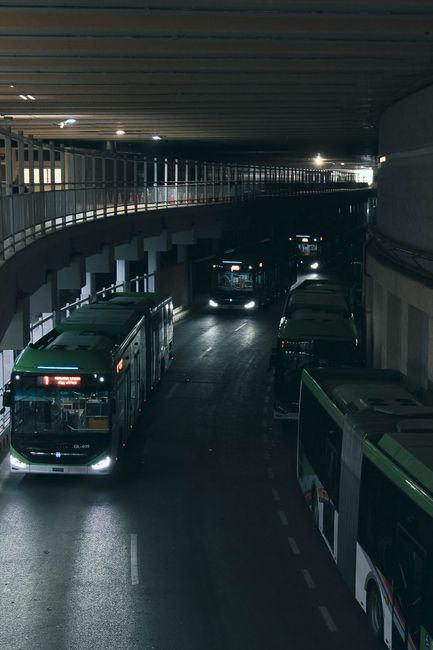
Beyond the rail network and metro, Bucharest has several coach stations (autogări) and departure points for long-distance buses. International operators (FlixBus, Eurolines) and national lines often depart from coach stations or locations near metro hubs. Knowing their exact locations prevents missed departures and long waits.
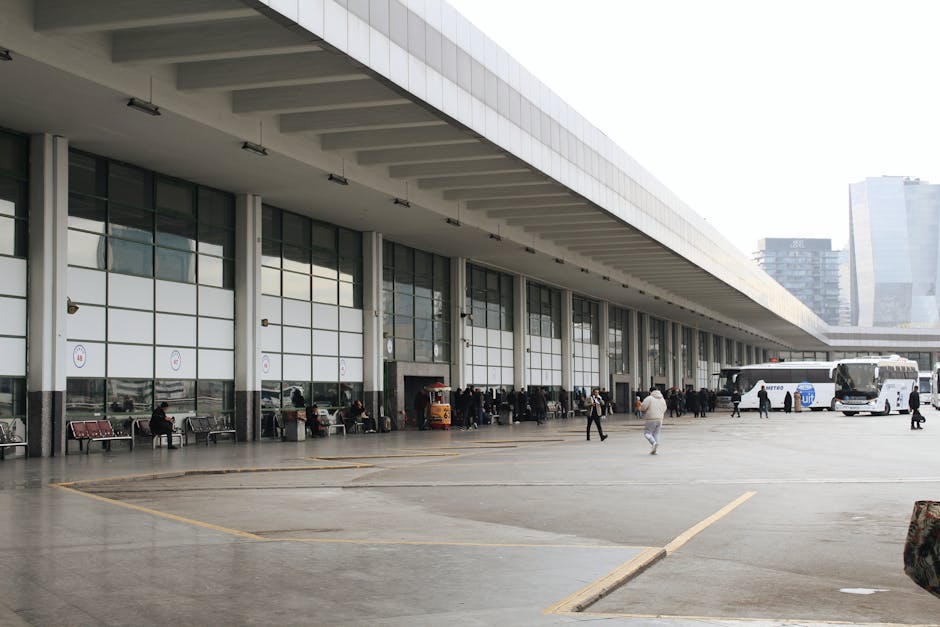
Autogara Basarab (near Piața Basarab / Pod Basarab) is a key departure point for routes west and north of Romania and some international services. Practical address: Piața Basarab, București. Fares for national trips vary: e.g., Bucharest → Brașov on a long-distance bus costs about €6–€12 depending on operator and comfort. Departures typically run from 06:00 to 22:00.
Autogara de Nord / Gara de Nord bus platforms also host regional services and some international lines. Check the display boards for platform information. For routes such as Bucharest → Sibiu or Bucharest → Constanța, expect roughly €8–€15 with early booking.
Optimization: always compare train vs. bus for time/price trade-offs. InterRegio trains may be pricier but more comfortable for long trips, while long-distance buses often offer more flexible schedules and arrival points. Book via the FlixBus app or local sites to grab promotional fares (often €5–€10 for short promotional trips).
Private services and transfers: for direct rides (airport, excursions, stations), a private transfer usually costs €20–€40 depending on distance and vehicle. This option is worth it if you’re traveling in a group or with heavy luggage.
Local advice: arrive 20–30 minutes before a long-distance bus departure if boarding is manual; platform assignments can change. For overnight journeys, favor coaches with reclining seats or sleepers and check lighting at coach stations. Keep an electronic copy of your ticket and have some cash on hand (small amounts in EUR or RON).
Final practical tips: tickets, cards, apps and safety
Buying the right tickets and using the right apps will save you time. Here’s a quick rundown of the essentials to master:
- Tickets and cards: single metro ticket about €0.60; 24-hour pass around €3.00; 72-hour pass about €7.00. Buy at station ticket machines or counters. The Metropolitan Card is rechargeable and handy for multi-day stays.
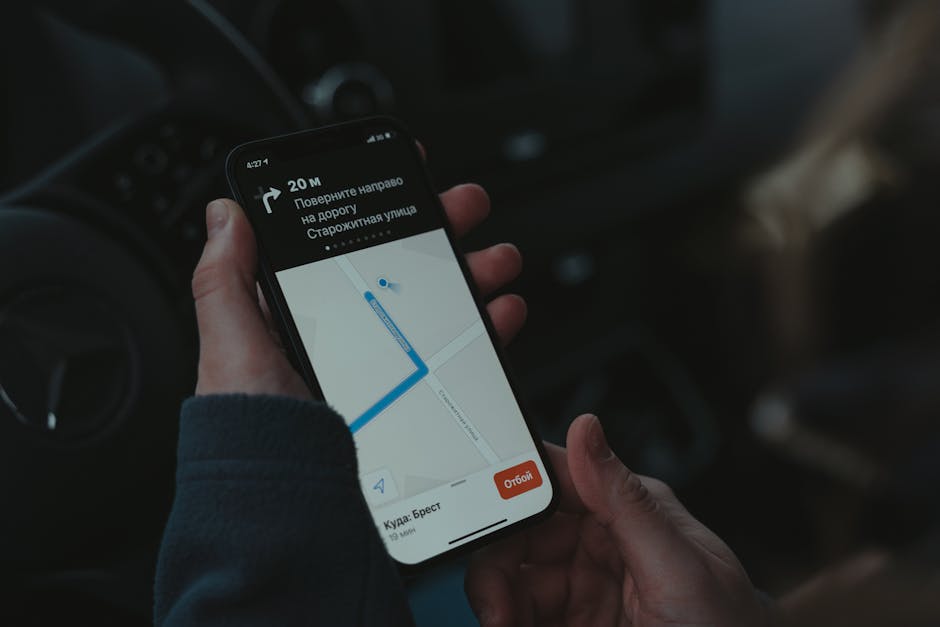
- Useful apps: Metrorex (metro timetables), CFR Călători (national trains), Google Maps / Moovit (multimodal routing), Bolt and Uber (rides), FlixBus (long-distance buses). Download them before your trip and register an international payment method.
- Safety and taxis: avoid unlicensed taxis. Use marked taxi stands or app bookings. Prices are usually much lower via Bolt/Uber; an Otopeni ↔ city-center ride averages €8–€14 via an app.
- Baggage: use Gara de Nord lockers for long layovers; luggage storage at metro stations is rare—keep a secure bag you can watch at all times.
- Peak hours: avoid critical transfers between 07:00–09:30 and 16:30–19:00. If you must travel then, allow extra time and favor direct lines over multiple changes.
In short, knowing a few key things (exact addresses, main schedules, approximate costs and apps) will let you optimize almost any journey in Bucharest. Whether you arrive by plane, train or bus, the urban and intercity networks are dense enough to get you where you need to go—if you plan your connections.
Conclusion: Plan ahead, expect the unexpected and enjoy Bucharest efficiently
Bucharest can feel intimidating at first, but once you understand the role of its hubs—Gara de Nord for rail, Henri Coandă for international arrivals, Piața Unirii and Piața Victoriei for key metro connections, and Basarab for long-distance buses—you can navigate like a local. The essentials are simple: save exact addresses for GPS, check train and metro times (main lines generally run 05:00–23:30), have a sense of prices in euros (single ticket around €0.60, airport shuttle €1.50–€2.50, ride-hail €8–€14 Otopeni–center) and use the right apps to save time.
To optimize your trips: plan your changes in advance (note platforms and exits), favor train+metro for a good time/price balance, and book a private transfer if you arrive late or have heavy luggage. Avoid unlicensed cabs and stick to trusted services (official taxis, Bolt, Uber). Also prioritize safety: watch your belongings in busy areas (Gara de Nord, Piața Unirii) and keep digital copies of tickets.
Finally, give yourself some buffer time: traffic jams, train delays and ticket queues do happen. If you’re prepared—cards loaded, apps ready, addresses saved—you’ll enjoy the city more and avoid the stress of poorly timed transfers. This guide aims to give you the local pointers and tricks to turn potentially tricky connections into smooth transitions. Safe travels and enjoy Bucharest!