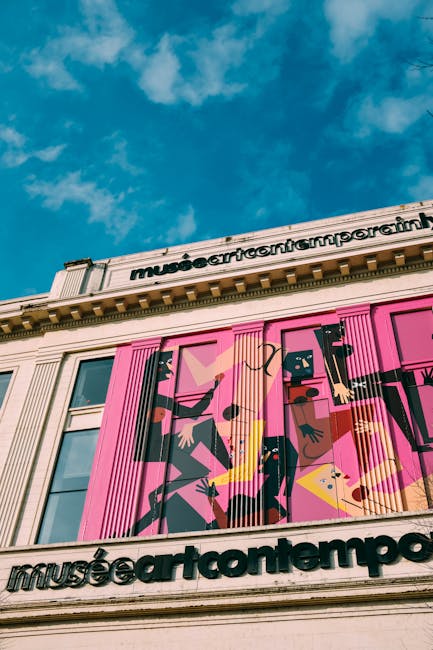






Introduction — Why visit Bucharest’s museums on your first trip
Bucharest is a city of contrasts: neoclassical architecture and Art Nouveau, wide boulevards and intimate neighborhoods, collective memory and contemporary avant‑garde. For a traveler discovering Romania’s capital for the first time, museums are a perfect, structured way to take in that complexity. They tell the country’s political and social history, showcase the richness of rural heritage, present major collections of Romanian and European art, and offer windows into science, music and daily life from past centuries.
This guide lists the 10 must-see museums in Bucharest for a first visit. Each entry gives the museum’s official name, exact address, an indicative price in euros, typical opening hours, an immersive description of the collections and buildings, plus practical local tips (best time to visit, skip‑the‑line ticket advice, transport and nearby food options). The goal is to help you plan a coherent 2-to-4 day museum itinerary, combining sites that are close together and thematic visits (history, art, folklore, sciences).
The museums selected here provide a variety of experiences: some are housed in palaces and historic homes, others in modern buildings or outdoors (like the Village Museum). Prices shown are estimates converted to euros to make comparison and budgeting easier; they may vary with temporary exhibitions, student/senior discounts or price changes. Hours listed are the most common (for example “Tuesday–Sunday 10:00–18:00”), but always check the museum’s official website before you go, especially for public holidays and late openings.
Finally, we include visual cues to help you picture each place and prepare your photos: exterior museum shots, signature rooms, historic facades, gardens and highlight objects. These cues can double as a photo checklist for your route. Get a rechargeable transport card (RATB/Metrorex), wear comfortable shoes and leave time for a coffee or local lunch between museums — Bucharest has excellent cafés and small breweries near the main museum hubs.
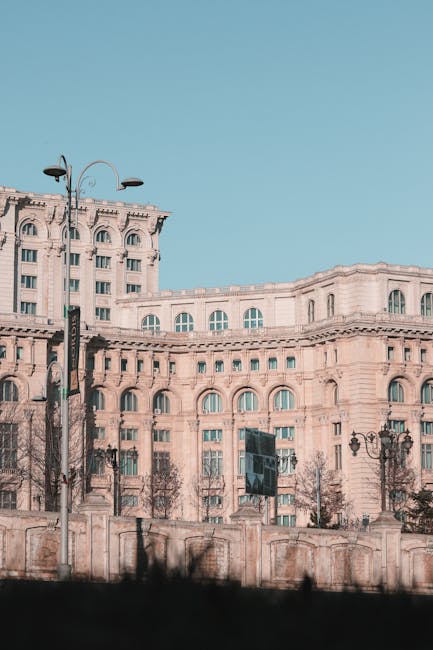
1. National Museum of Romanian History — Muzeul Național de Istorie a României
Address: Calea Victoriei 12, București 030026. Price: around €4.00 (adult), €2.00 (students/seniors). Hours: Tuesday–Sunday 10:00–18:00, closed Mondays. This museum traces the national story from prehistory through the 20th century. The highlight is the replica of Romania’s crown and the rich array of medieval and modern artifacts: coins, weapons, costumes, manuscripts and reconstructed historic interiors.
The display is traditional but thorough: large glass cases, bilingual labels (Romanian/English) and a fine archaeology collection. Allow 1.5–2 hours for a full visit. Local tip: arrive at opening to avoid school groups and rent the audio guide if you read English or Romanian. The museum sits on Calea Victoriei, just steps from the Old Town, so plan a stroll in the area after your visit.
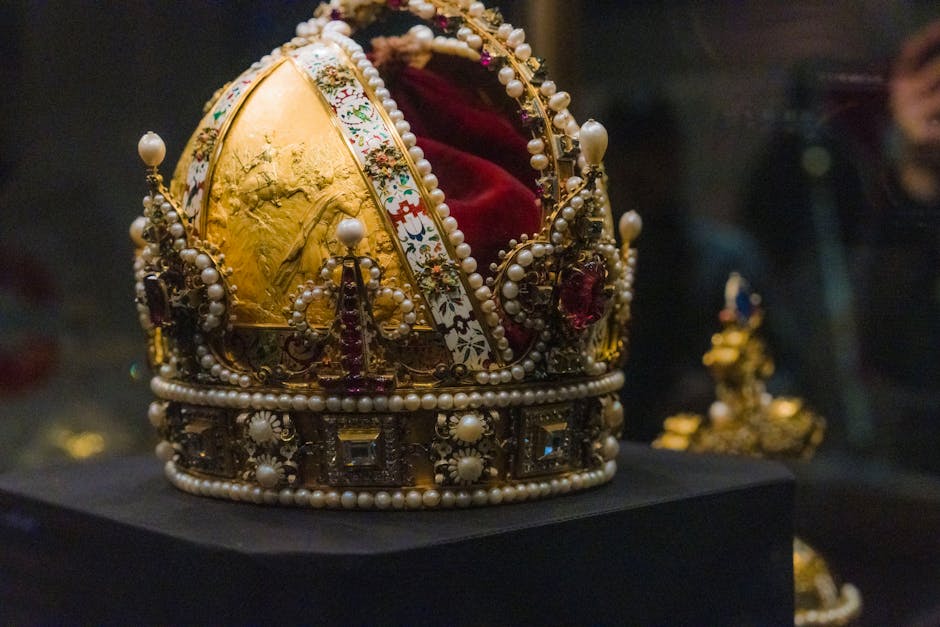
2. National Museum of Art of Romania — Muzeul Național de Artă al României
Address: Calea Victoriei 49‑53 (Royal Palace), București. Price: around €6.00 (adult), €3.00 (reduced). Hours: Tuesday–Sunday 10:00–18:00, closed Mondays. Housed in the former Royal Palace, the museum has two main departments: the European art collection (14th–20th centuries) and the Romanian art collection (painting, sculpture, prints). The palace rooms themselves are worth the visit — furniture, woodwork and views over Revolution Square.
The Romanian section features major works by Nicolae Grigorescu, Theodor Aman and Ion Andreescu, while the European galleries include Italian, Flemish and French masters. Local tip: don’t miss the icon painting room and the restoration workshops, and plan a coffee break on the ground floor after your tour. Book ahead for popular temporary exhibitions.
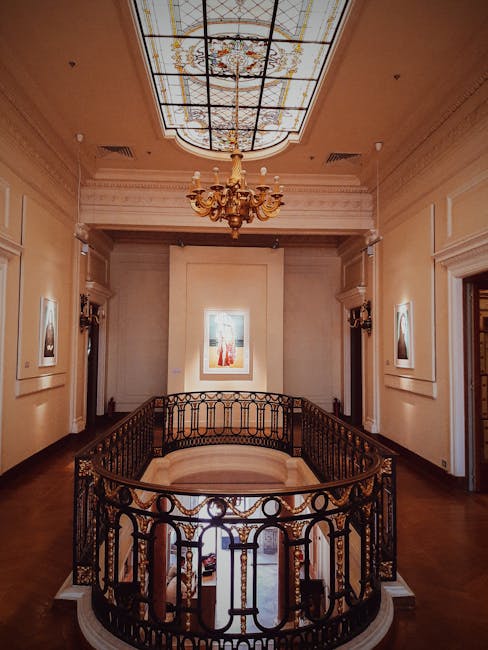
3. Dimitrie Gusti National Village Museum — Muzeul Național al Satului « Dimitrie Gusti »
Address: Șoseaua Pavel Dimitrievici Kiseleff 28‑30, Herăstrău Park, București. Price: around €5.00 (adult), €2.50 (reduced). Hours: Tuesday–Sunday 10:00–18:00, open Mondays seasonally. This open‑air museum displays more than 300 traditional rural structures (houses, wooden churches, mills) from all regions of Romania. It’s one of the best ways to discover vernacular architecture and peasant life.
The visit is immersive: shaded paths, reconstructed interiors, rural object displays and craft demonstrations on weekends. Local tip: go in spring or early autumn for the best light and avoid rainy afternoons; bring sturdy shoes to walk between the recreated villages. Take the tram or bus to Herăstrău Park for easy access.
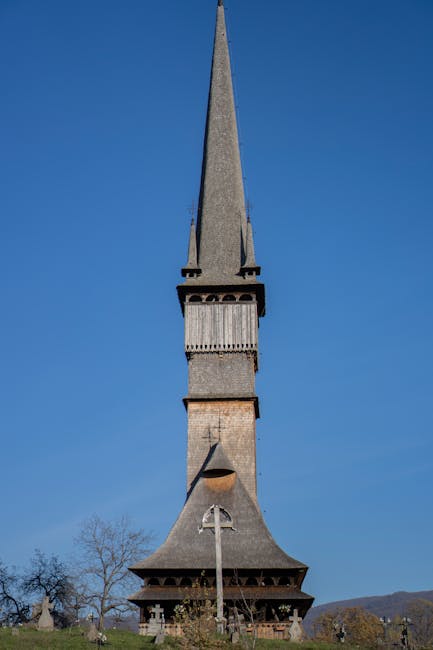
4. National Museum of the Romanian Peasant — Muzeul Național al Țăranului Român
Address: Șoseaua Kiseleff 3, București. Price: around €4.00 (adult), €2.00 (reduced). Hours: Tuesday–Sunday 10:00–18:00, closed Mondays. This museum offers an ethnographic and artistic view of rural Romanian life: traditional costumes, embroidery, furniture, tools and contemporary thematic exhibitions that explore rural identity.
The building blends modernist architecture with intimate exhibition spaces. Temporary curations are often innovative (fashion, contemporary art inspired by heritage). Local tip: start on the ground floor to get familiar with the key objects, then head upstairs for temporary shows; the museum shop has lovely books on Romanian folklore.
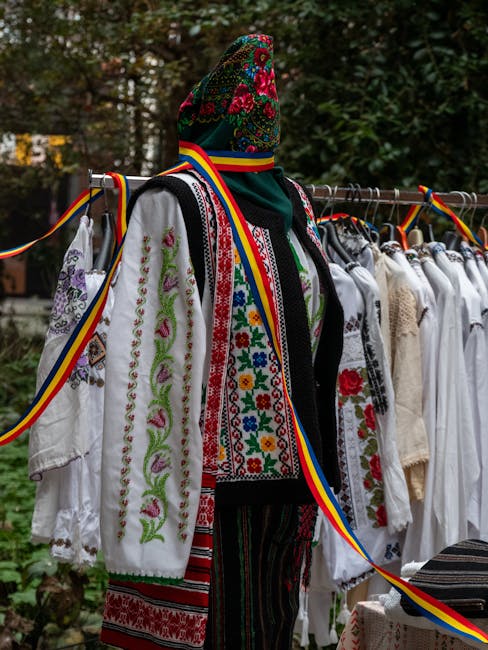
5. Grigore Antipa National Museum of Natural History — Muzeul Național de Istorie Naturală « Grigore Antipa »
Address: Șoseaua Kiseleff 1, Sector 1, București. Price: around €5.00 (adult), €3.00 (child/student). Hours: Tuesday–Sunday 10:00–18:00. A modern natural history museum combining taxidermy, skeletons, dioramas and interactive exhibits on biodiversity, geology and evolution. The permanent halls are educational and family‑friendly.
The recently renovated building features multimedia spaces and refreshed museography. The central showcases with mammals and dioramas are especially photogenic. Local tip: perfect for families or a rainy day; buy tickets online during busy periods (weekends and school holidays).
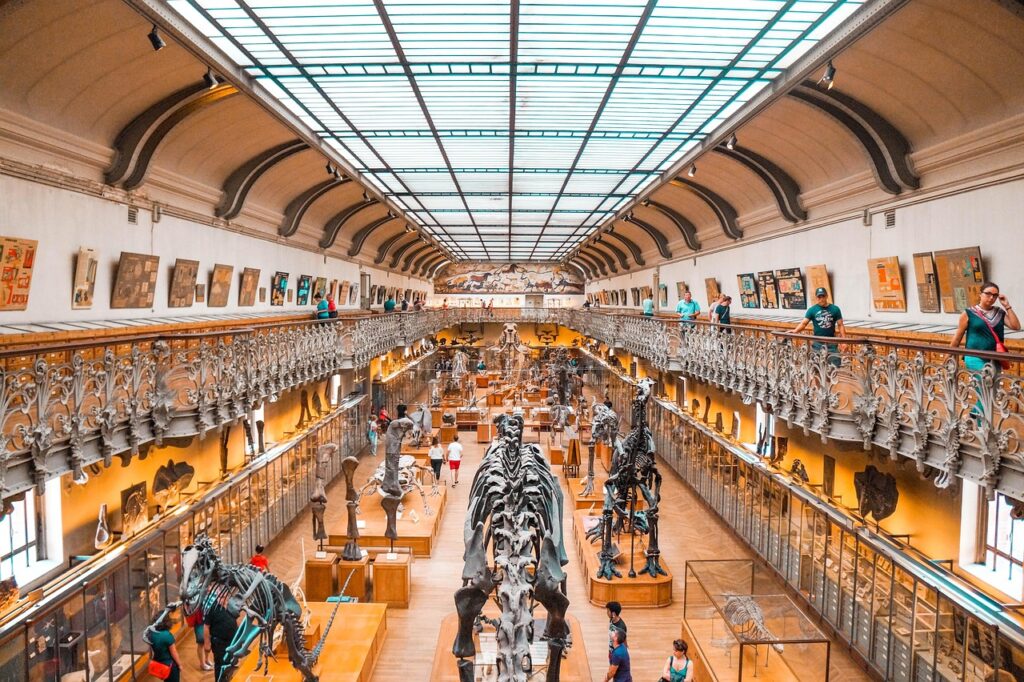
6. George Enescu National Museum — Muzeul Național « George Enescu »
Address: Calea Victoriei 141, București. Price: around €4.50 (adult), €2.50 (reduced). Hours: Tuesday–Sunday 10:00–18:00. Dedicated to composer George Enescu, the museum is housed in his home‑studio. You’ll find manuscripts, instruments, photographs, historic recordings and a vivid biographical route.
The interiors retain the intimate atmosphere of the artist; projections and musical excerpts punctuate the visit. Local tip: check the schedule for concerts and lectures — attending a recital here is a memorable experience. The neighborhood has several historic cafés to extend your evening.
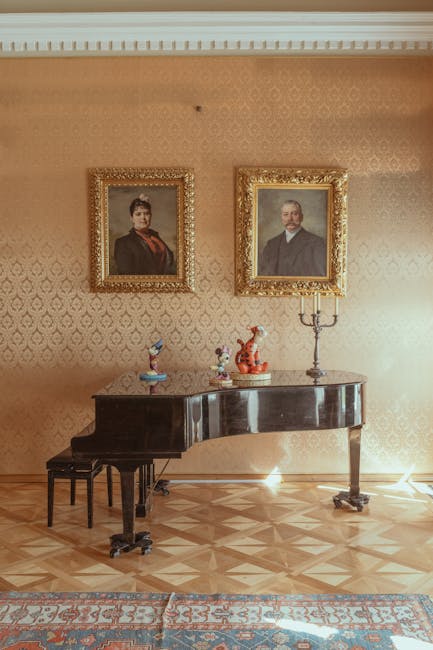
7. Theodor Aman House Museum — Muzeul « Theodor Aman »
Address: Calea Victoriei 40, București. Price: around €3.50 (adult), €2.00 (reduced). Hours: Tuesday–Sunday 10:00–18:00. Set in painter Theodor Aman’s house‑studio, the collection features artworks, period furniture and objects from the 19th‑century artistic scene in Romania. The space evokes the intimacy of an artist’s workshop and the cultural buzz of the era.
The visit is short but dense — ideal to complement a day focused on national art. Local tip: pair this visit with the National Museum of Art, which is on the same avenue, for a fuller immersion in Romanian painting.
8. Museum of Bucharest — Muzeul Municipiului București (Palatul Suțu)
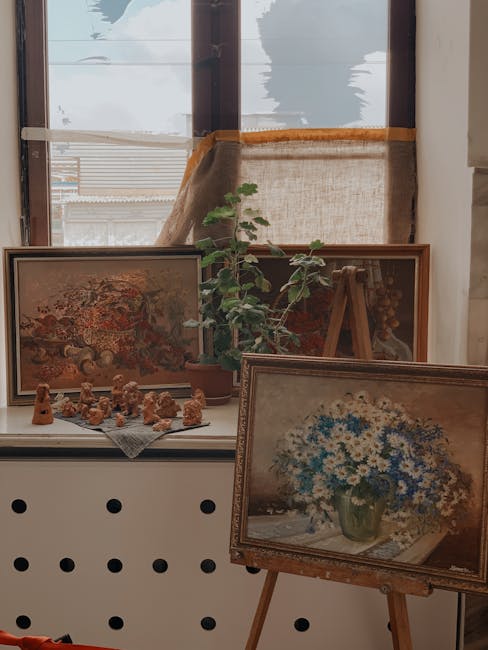
Address: Calea Victoriei 2, București. Price: around €3.00 (adult), €1.50 (reduced). Hours: Tuesday–Sunday 10:00–18:00. Located in the Suțu Palace, this municipal museum traces Bucharest’s urban history: maps, models, old photographs and everyday objects. It provides essential local context for understanding the capital’s development.
Exhibitions explore urban transformations, major architectural phases and intangible heritage. Local tip: after your visit, walk along Calea Victoriei to admire the neighborhood’s Art Nouveau facades.
9. National Military Museum — Muzeul Militar Național « Regele Ferdinand I »
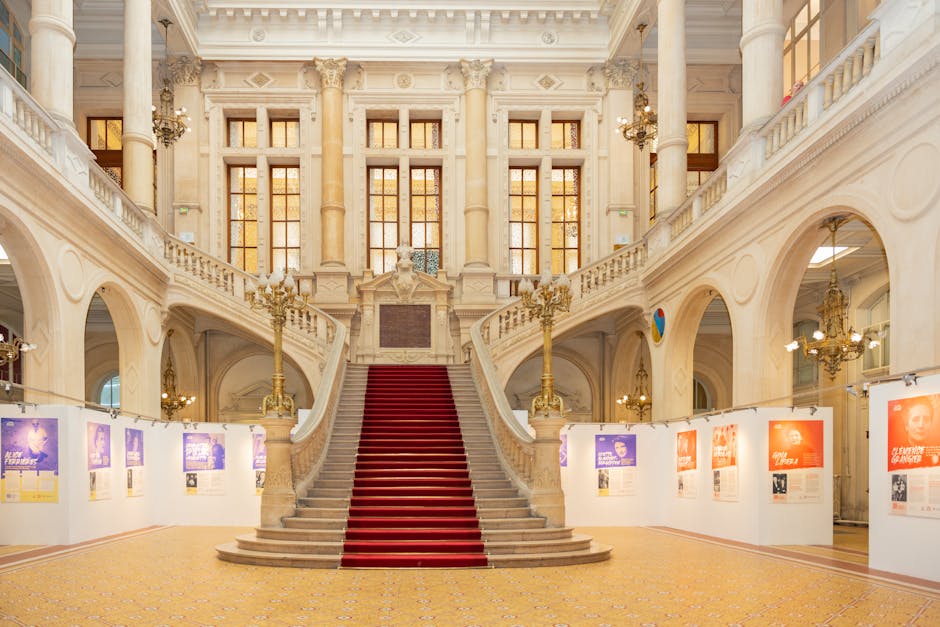
Address: Calea Victoriei 68‑70, București. Price: around €4.00 (adult), €2.00 (reduced). Hours: Tuesday–Sunday 10:00–17:00. The museum displays uniforms, weaponry, models and documents related to conflicts involving Romania. The layout mixes historical objects with military narratives, useful for understanding Romania’s strategic role in European history.
The route includes rare pieces (insignia, flags, light vehicles from different eras). Local tip: check access to the outdoor areas (where vehicles and cannons are sometimes shown) and reserve half a day if you’re passionate about military history.
10. Cotroceni National Museum — Muzeul Național Cotroceni
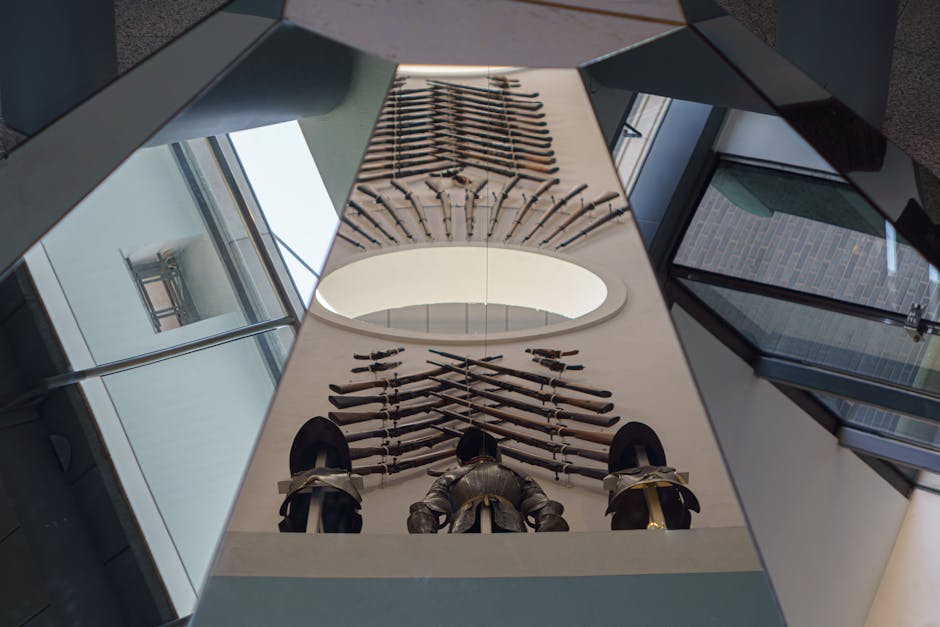
Address: Strada Geniului 1, București (Cotroceni Park). Price: around €5.00 (adult), €2.50 (reduced). Hours: Tuesday–Sunday 10:00–18:00, closed Mondays. Housed in the former presidential palace and historic residence, the museum presents decorative arts, furniture, tapestries and presidential archives, all set within richly decorated salons.
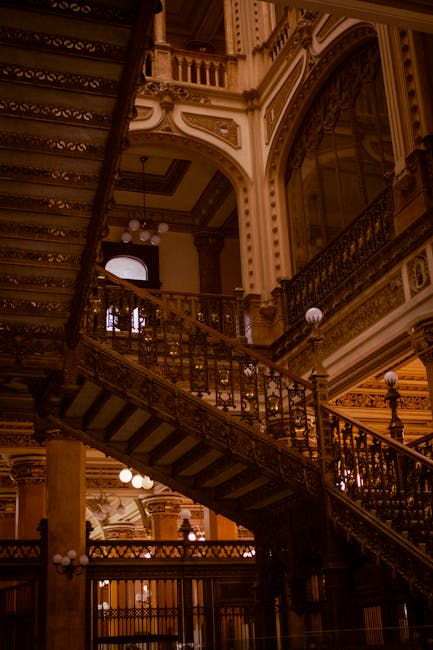
The visit is highly architectural: staircases, stucco, woodwork and views over the Cotroceni gardens. Local tip: book a guided tour in your preferred language (they’re often limited in number) and combine the visit with a walk in Cotroceni Park and the quiet nearby streets.
Conclusion — Planning your museum route in Bucharest
For a first trip to Bucharest, these ten museums create a coherent loop across history, fine arts, popular heritage and natural science. Practically, organize your days by geographic proximity: Calea Victoriei groups several sites (National Museum of Art, National Museum of Romanian History, George Enescu Museum, Theodor Aman House and the Museum of Bucharest), allowing you to visit 2–3 museums on foot in a single day. The Kiseleff–Herăstrău triangle hosts Antipa, the Village Museum and the Museum of the Romanian Peasant — ideal for a day focused on natural and ethnographic heritage.
Final practical tips: get a day transport pass to optimize travel between museums, book online for temporary exhibitions and guided visits (especially Cotroceni and MNAR), and favor morning slots to avoid crowds. Schedule tasty breaks: cafés around Calea Victoriei and the terraces in Herăstrău Park are perfect places to rest between visits. And always respect each museum’s photography rules (restricted zones, no flash, follow staff instructions).
With this overview you can build a rich, balanced cultural itinerary tailored to your interests: national history, art, rural life, natural sciences and urban heritage. Bucharest unveils its layers through its museums — take the time to listen to the stories behind the objects and buildings to better understand the city and its people. Enjoy your cultural journey in Bucharest!