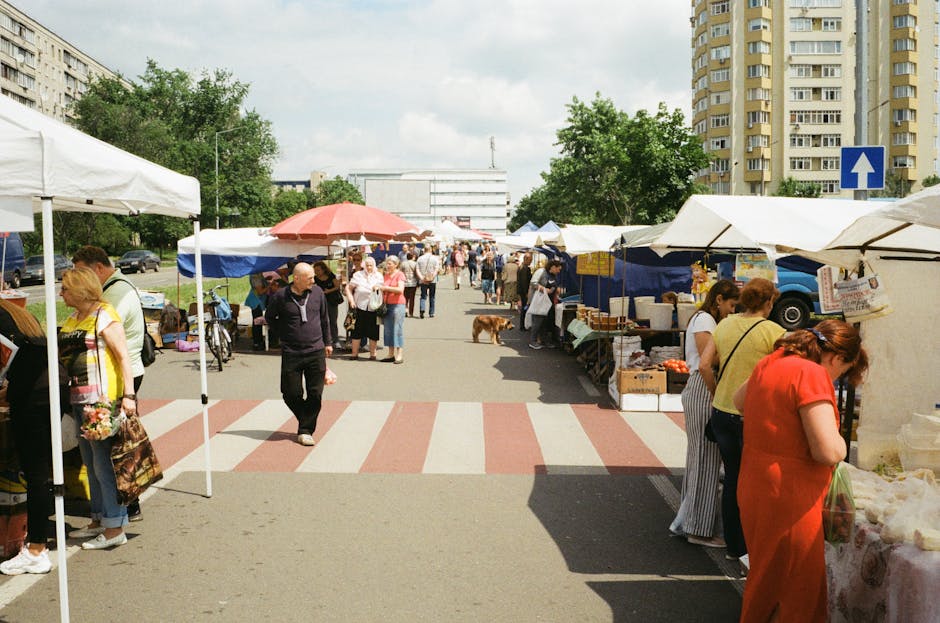






Introduction — Why Rahova Deserves to Be Walked
Rahova, a working-class neighborhood in southwest Bucharest, often gets skipped by standard tourist guides. Yet for those who take the time to stroll its streets, it reveals a distinct urban character: a patchwork of interwar architecture, small neighborhood shops, lively markets, artisan workshops and an authentic everyday life that Romania’s capital is increasingly struggling to preserve. This walking route is aimed at curious travelers — not just to see, but to feel, taste and understand Rahova.
This introduction prepares you for an immersive walk lasting at least half a day (3–5 hours) or a full day (6–8 hours). You’ll find practical details (starting points, public transport, durations, safety), essential stops (local market, cafés, public squares, workshops) and suggestions for food breaks with exact addresses, prices in euros and opening hours. The goal is twofold: provide a logical, easy-to-follow route, and give you keys to read the neighborhood — where its people come from, how it evolved through industrialization and the communist era, and how daily life today mixes tradition and modernity.
Rahova isn’t a sanitized tourist set — it’s a place where the smell of grilled meat and coriander mingles with bakery aromas, where facades still show traces of old industry, and where kids play on vacant lots turned into makeshift spaces. Residents tend to be reserved but proud of their neighborhood; a smile or a few words in Romanian opens doors. This guide stresses respect for local life: photograph discreetly, don’t disturb businesses during busy times, and support small local enterprises.
Walking through Rahova you’ll witness different time layers: renovated bourgeois houses next to 1960s apartment blocks, traditional shops and new cafés, food markets selling both local produce and imports. The route is designed to be sensory: the texture of cobbles, the wall color palette, the sound of vendors, the rhythm of trams and conversations. If you’re looking for an off-the-beaten-path Bucharest experience, Rahova on foot is an invitation to grasp the soul of a neighborhood many overlook.
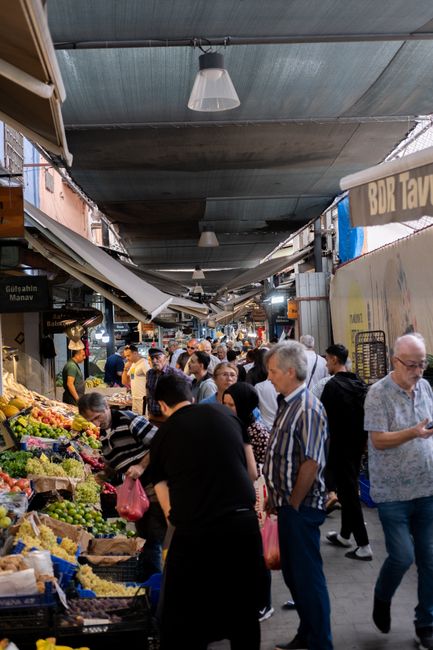
Section 1 — Where to Start, How to Get There and Practical Tips
Start your walk at the Eroii Revoluției metro station (M2) — heading south from Piața Unirii is the usual route if you prefer the subway. From there take tram 11 or buses 117/268 toward Rahova. You can also begin directly at Piața Rahova if you arrive by taxi. Practical info:
- Metro station: Eroii Revoluției — Address: Bulevardul Dimitrie Cantemir 1, București 040015. Metro hours: 05:00–00:00 (M2). Fare: single ticket €1.30 (standard 2024 fare, 90-minute validity for a single trip with transfers).
- Main bus/tram stop: Piața Rahova (Rahova Market interchange) — located along Strada Rahova at the junction with Strada 11 Iunie. Approximate coordinates: Strada Rahova 200, București 050000 (central area of the neighborhood). Trams 11 and 32 and bus 117 serve the sector according to STB routes. STB bus/tram fare: €0.30–€0.60 for an urban ticket, validated onboard or at machines.
- Taxi / ride-hailing: Travel time from the city center (Piața Unirii): 10–20 minutes depending on traffic. Typical cost: €3–€6.
Practical tips before you set off:
- Safety: Rahova is generally safe for daytime visitors. As in any big city, avoid showing valuables and stick to main streets after dark. Avoid unlit alleys unless you’re with a local.
- Shoes: Wear comfortable footwear: cobbles, uneven sidewalks and neglected crosswalks can be surprising.
- Cash: Carry Romanian lei (RON) for small market purchases; many small shops accept cards but not always. Approximate conversion: €1 ≈ 4.9 RON (rate varies).
- Language: Romanian is the local language. Learning a few phrases (hello = Bună ziua, thank you = Mulțumesc, please = Vă rog) helps and brings smiles.
Suggested route: 1) Piața Rahova (market) → 2) Strada 13 Septembrie / local church → 3) nearby Parcul Tineretului for a break — or continue to cafés and workshops along Strada Rahova. The walk has some slopes but is accessible to most walkers.
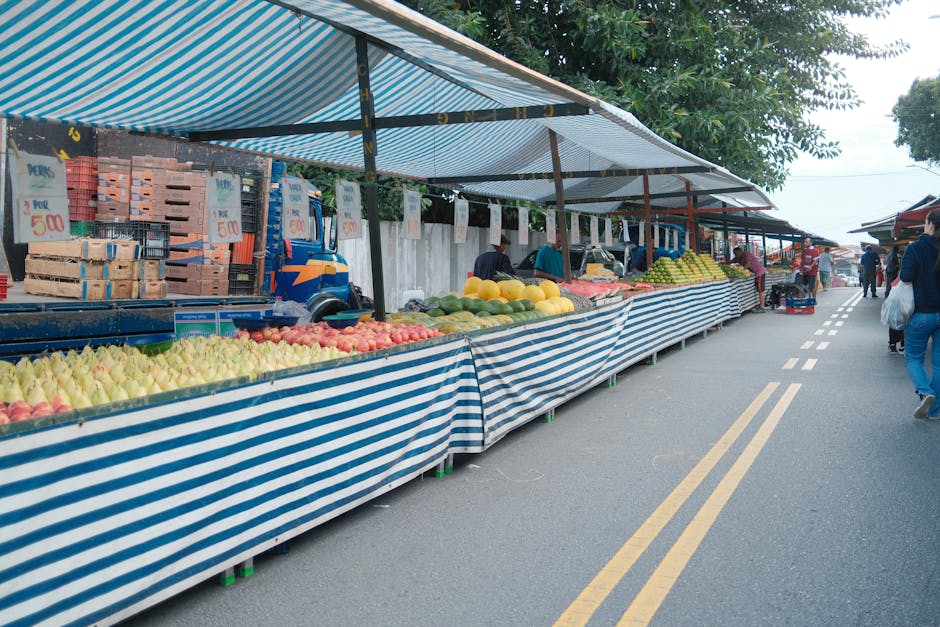
Section 2 — Piața Rahova (Rahova Market): The Beating Heart
The Rahova visit ideally starts at Piața Rahova (Rahova Market), the commercial heart where daily life unfolds. Address: Strada Rahova 120, Sector 5, București 050017. Hours: mainly open from morning (06:00) until late afternoon (17:00–18:00); some stalls stay open later seasonally. Prices are attractive: a basket of fresh fruits and vegetables can cost €2–€6 depending on season (e.g., 1 kg tomatoes €0.80–€1.50; 1 kg apples €0.60–€1.20).
This market is a sensory lab: colors of the stalls, smells of fresh herbs (and nearby stews), the noise of bargaining and orders in Romanian. You’ll find fresh meat, smoked fish, local cheeses (brânză de burduf), spices, breads, pastries and peripheral alleys selling clothing or household items. Charcuterie stalls serve local specialties: cârnați (grilled sausages), tobă (brawn) and slănină (cured fat). Expect €1.50–€3.50 for a small tasting on site.
Tips for visiting the market:
- Local bites: Stop at a bread stall: country bread (pâine rustică) €0.50–€1.20. Try a hot sandwich with bryndză/cheese rennet for €1.50–€2.50.
- Bargaining with respect: Haggling is common but modest; start by offering about 10–20% less than the listed price to open the conversation.
- Seasonal produce: In summer stalls overflow with tomatoes and plums; in autumn look for dried mushrooms and homemade preserves.
- Hygiene: Meat stalls follow local practices — prefer busy stalls with queues for fresher products.
Around the market, narrow streets hide repair shops (cobblers, tailors), modest cafés and neighborhood grocers selling local drinks (apple juice, compotes). The market is also a social observation point: grab a coffee on a terrace and watch daily life pass by. An espresso in a simple bar will cost around €0.80–€1.30.
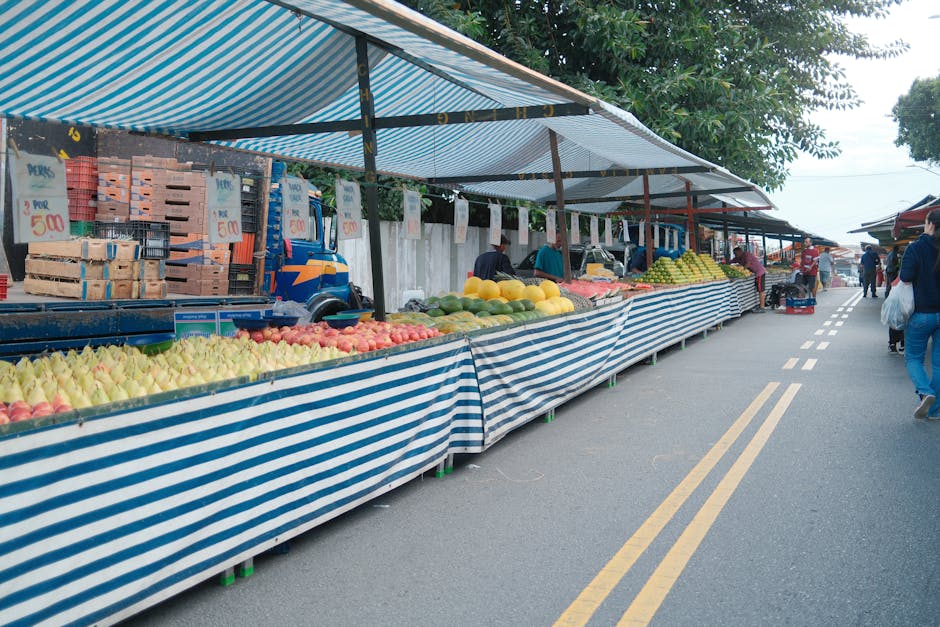
Section 3 — Architecture, Industrial Memory and Daily Life: Reading the Neighborhood
Rahova is layered, not monolithic. Walking along Strada Rahova, Strada 13 Septembrie and Strada Industriilor you’ll spot Belle Époque houses and worker apartment blocks from the 20th century, remnants of heavy industrialization. Crumbling facades tell the story of a neighborhood that hosted workers and small factories and which has been reinventing itself. Key architectural references:
- Restored bourgeois house — Strada Rahova 185: a run of neo-Romanian and Art Nouveau houses, often converted into small guesthouses or workshops. Walk slowly to notice engraved details and wrought-iron balconies.
- Communist-era blocks — Strada 13 Septembrie, numbers 50–80: large austere façades, reminders of 1960s–1980s urban planning. Inner courtyards reveal convivial spots between buildings (playgrounds, small shared gardens).
- Rehabilitated industrial sites — Strada Industriilor 10–20: old factories turned into warehouses, workshops and sometimes local art galleries. These sites show a slow, ongoing conversion in the area.
Your walk will reveal micro-living spots: communal laundries, traditional barbers (Frizerie Rahova, Strada Rahova 142, men’s cut €3–€5), and cafés where regulars play cards in the afternoon. Pay attention to graffiti and local posters — they reflect a changing urban dialect: social demands but also grassroots cultural initiatives.
Incorporate industrial memory into your visit: look for commemorative plaques, old shop signs and well-worn mailboxes. Some buildings still display panels that indicate pre-1989 activity (textile factory, mechanical workshop). These traces are essential to understanding slow gentrification and local resistance — independent cultural projects coexist with traditional commerce.
Photography tips: shoot in soft light (morning or late afternoon). Always ask permission before photographing people. Capture details (door handles, plaques, tiles) to build a richer visual narrative than façades alone.
Section 4 — Cafés, Restaurants and Food Stops: Addresses, Prices and Opening Hours
Rahova has a modest but genuine food scene. Here’s a tested selection for a coffee break, quick lunch or simple dinner, with addresses, price ranges and opening hours. Prices are shown in euros for convenience (approx. conversion included: €1 ≈ 4.9 RON).
- Cafenea La Strada — Address: Strada Rahova 158, București 050020. Hours: 07:00–20:00 (daily). Specials: filter coffee €1.00; cappuccino €1.50; hot sandwich €2.50–€3.50. Vibe: a small neighborhood café with wooden tables, local clientele and free Wi‑Fi.
- Restaurant Casa Rahova — Address: Strada 13 Septembrie 67, București 050010. Hours: 11:00–23:00 (daily). Specials: traditional Romanian dishes (sarmale €3.50 a portion, tochitură €4.50), generous portions. Expect €7–€12 for a full meal with a drink. Atmosphere: rustic dining room, family-run service.
- Patiserie Panific — Address: Bulevardul Libertății 20 (near Rahova), București 050015. Hours: 06:00–19:00. Breads and pastries: covrigi (Romanian pretzel) €0.50; plăcintă cu brânză (cheese pastry) €0.80–€1.20.
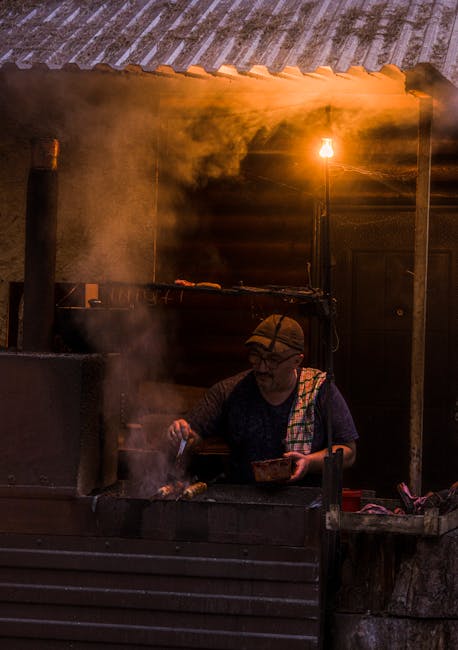
- Street food stand — Grill & Mititei Rahova — Address: Piața Rahova, main alley. Hours: 09:00–18:00. Specialty: mititei (little grilled sausages) €0.80–€1.50 each; portion €3–€6 depending on size. Perfect for a quick bite.
Some tips for eating like a local:
- Order family-style: look for daily menus (meniul zilei), often €4–€6 for starter + main + drink in neighborhood restaurants.
- Stay hydrated: buy local bottled water (Apă plată) for €0.30–€0.80 depending on size.
- Timing: service can be slower in the evening at modest places; plan ahead if you’re in a rush.
If you want to extend your walk with a local wine tasting, ask the staff at Restaurant Casa Rahova — they sometimes have a small selection of Romanian wines (€10–€18 per bottle), great to discover varieties from the Danube Valley or the Murfatlar region.
Section 5 — Local Initiatives, Artisan Workshops and Ways to Dive Deeper
Rahova is fertile ground for neighborhood initiatives: repair workshops, cultural collectives and pop-up galleries spring up regularly. Walking helps you spot informal places: carpentry shops, tattoo studios, metal workshops and culinary labs. Here are a few addresses and ways to meet local makers:
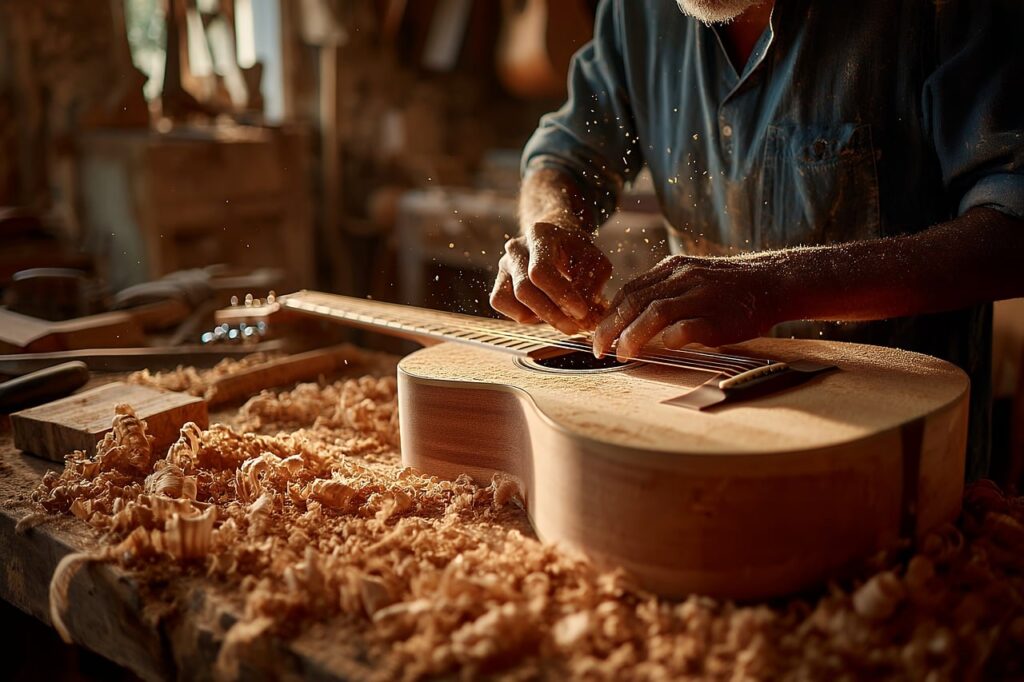
- Carpentry workshop Atelier Marius — Address: Strada Metalurgiei 12 (industrial/workshop area), București 050022. Hours: 08:00–17:00 (Mon–Fri). Services: furniture restoration, bespoke pieces. Indicative prices: small chair restoration €12–€25; custom furniture from €80 depending on materials.
- Pop-up gallery Rahova Arte — Address varies (listed on the door of La Strada café or on local social media). Hours: openings on Friday evenings, exhibitions 16:00–20:00. Entry: usually free or a €1–€3 contribution to support local artists.
- Local dance school — Școala de Dans Rahova — Address: Strada Rahova 210, București 050025. Hours: evening classes 18:00–21:00. Prices: trial class €2; monthly membership €15–€25 depending on frequency.
Joining a local workshop is one of the best ways to capture the neighborhood’s active spirit. Contact workshops ahead if you want a visit — many receive guests by appointment only. Hours and prices can vary, especially for small setups. Learn a few Romanian phrases and show genuine interest in the craft to build a warm connection.
Ideas to extend your visit:
- Guided walk with a local: some neighborhood associations offer themed tours for €10–€20 per person (workers’ history, street art, food).
- Weekend markets: brocantes and flea markets sometimes take place on Sundays near Piața Rahova; great for vintage items, furniture and secondhand books from €1–€20 depending on the item.
- Documentary photography: if you’re a photographer, consider offering to share your work in exchange for a coffee — local communities often appreciate this cultural exchange.
Rahova is in motion: its social and urban dynamics balance fragilely between preservation and change. By supporting local merchants, artisans and cultural initiatives, visitors help keep that diversity alive. Take time to talk, buy a small object or join a workshop to root your visit in real exchange rather than mere observation.
Conclusion — Walking Rahova: A Reflective and Sustainable Experience
Rahova on foot is not just a stroll: it’s a lesson in social urbanism, a living portrait of a city in transition. The neighborhood invites you to slow down and read the traces of time on façades, to listen to the market and taste local flavors, to meet artisans who keep traditional skills alive and discover grassroots projects quietly weaving a more shared future. If you want an authentic, human memory from your trip to Bucharest, Rahova deserves your attention: here you’ll find a side of Bucharest that still breathes outside the tourist circuits.
To make the most of your visit, plan at least half a day, start early to enjoy the market and workshops, bring multiple payment methods, and adopt a respectful attitude toward residents. Engage with the neighborhood: sit for a coffee, buy a local pastry, ask questions at a stall — and why not — come back later for a deeper visit or to take part in a workshop. You’ll leave not only with photos but with a richer understanding of a part of Bucharest that speaks of daily lives, resilience and hopes.
Remember that neighborhoods like Rahova represent urban diversity and need mindful tourism: as a visitor you can contribute positively by respecting places, supporting small businesses and sharing an honest account of your experience. Rahova isn’t a postcard — it’s a story. Take the time to listen, and let it change the way you see Bucharest.
Local residents chatting neighborhood street Rahova