





Introduction: Why pick a paid guided tour in Bucharest in 2026
Bucharest, Romania’s lively capital, is drawing more curious travelers eager to dig deeper into its heritage, quirky stories and recent urban reinventions. While the city is easy to explore on foot, paid guided tours bring a key advantage: they compress history, architecture, local tales and sometimes priority access to attractions — all delivered by trained, often local, guides. In 2026 the guided-tour scene in Bucharest is varied and plentiful: classic walking tours of the Old Town (Lipscani), specialized Palace of the Parliament visits, foodie routes, bike rides through the parks, excursions to national museums and themed night walks.
Choosing a paid tour over a free one comes down to a few practical benefits. First, accuracy: professional guides stay up to date on restorations, conservation policies and historical narratives that can be poorly translated or simplified in guidebooks. Second, access: venues like the Palace of the Parliament (Palatul Parlamentului) or the Village Museum (Dimitrie Gusti National Village Museum) often have limited visitor slots — booking a paid guided tour commonly guarantees entry without long waits. Third, personalization: many operators tailor language, duration and focus (communist architecture, art deco, traditional cuisine, contemporary street art).
This 2026 overview of paid guided tours in Bucharest aims to give you practical, up-to-date information: full venue names, exact addresses, indicative prices in euros, typical opening hours, immersive route descriptions and local tips to get the most from your visit. Whether you’ve got 48 hours in the city, a culture-packed weekend or a two-hour gastronomic immersion, this guide will help you pick the right format for your interests and budget. We cover must-see tours (Palace of the Parliament, National Museum of Romanian History, Romanian Athenaeum), themed walks (communism and modern architecture), original formats (food tours, bike tours, night tours) and options for families or visitors with reduced mobility.
Finally, the guide includes practical tips: when to book (least busy days and times), how to pay (card, cash, booking platforms), discounts for students or seniors, and how to combine tours to save. Expect on-the-ground suggestions too — a coffee to hit after a long visit, a photogenic alley in Lipscani, and etiquette tips for respecting sites and guides. Prices shown are 2026 averages in euros and may change with season and demand, so double-check when you book. Now, let’s explore the different categories of paid guided tours in Bucharest so you can build the perfect itinerary.
Must-see tours and museums: historical depth and national art
Paid guided tours in Bucharest’s major museums and monuments remain the most in-demand. They not only speed up access to collections but also provide detailed explanations of works, architectural features and socio-historical context. Here are the main options with addresses, indicative prices, opening times and what makes them special.
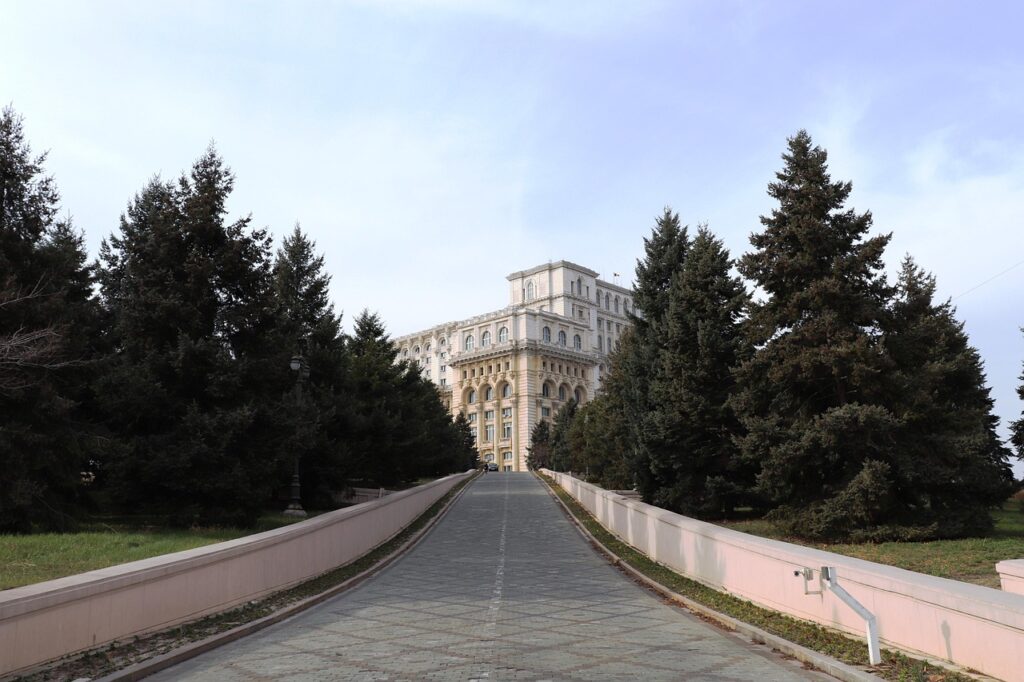
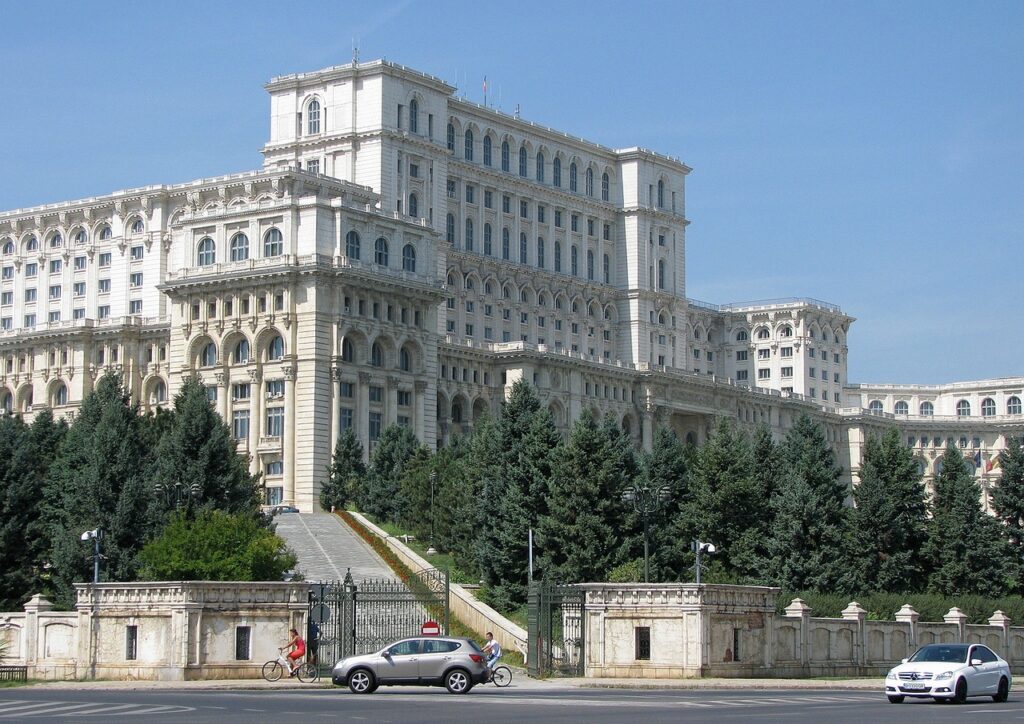
Palatul Parlamentului (Palace of the Parliament)
Address: Strada Izvor 2-4, Sector 5, 050563 București.
Hours: guided tours on weekdays typically from 10:00 to 16:00 (last entry 15:00); closures possible for official events; sometimes open at weekends depending on the calendar.
Price: around €15–20 per person for the standard tour (2026), with child/student discounts often available. Duration: 50–60 minutes. Languages: Romanian, English, French, German depending on availability.
Description: The Palace of the Parliament, the world’s second-largest administrative building after the Pentagon by surface area, features monumental halls, imported marbles and stories about the massive Ceaușescu-era construction projects. Guided tours unpack the imposed neo-classical design, seemingly endless corridors and rooms like the Sala Unirii. Guides also address the historical controversies: sourcing of materials, social costs and post-1989 transformations. Local tip: arrive 30 minutes early to clear security, bring an ID and avoid large bags — they are not allowed inside.
Muzeul Național de Istorie a României (National Museum of Romanian History)
Address: Calea Victoriei 12, 030026 București.
Hours: 10:00–18:00 (some exhibitions closed on Wednesdays; check the official site).
Price: guided-entry combos around €8–12 per person. Duration: 60–90 minutes.
Description: Located on the bustling Calea Victoriei avenue, this museum traces Romania’s story from prehistory to the modern era. Paid guided tours often focus on themes: archaeology, princely jewelry, independence documents and royal-period displays. A highlight is the numismatic treasure and other artifacts that really come alive with a professional guide’s insight.
Ateneul Român (Romanian Athenaeum) and the National Museum of Art of Romania
Romanian Athenaeum address: Strada Benjamin Franklin 1-3, Sector 1, 030167 București.
Athenaeum hours: ticket desk for tours 09:00–17:00 on weekdays; concerts in the evening (variable schedule).
Athenaeum tour price: €7–12 depending on option (basic tour or tour + exhibition).
National Museum of Art address: Calea Victoriei 49-53, Sector 1, 010063 București.
Museum hours: 10:00–18:00, closed Mondays; occasional late openings on Fridays. Guided tour price: €10–15.
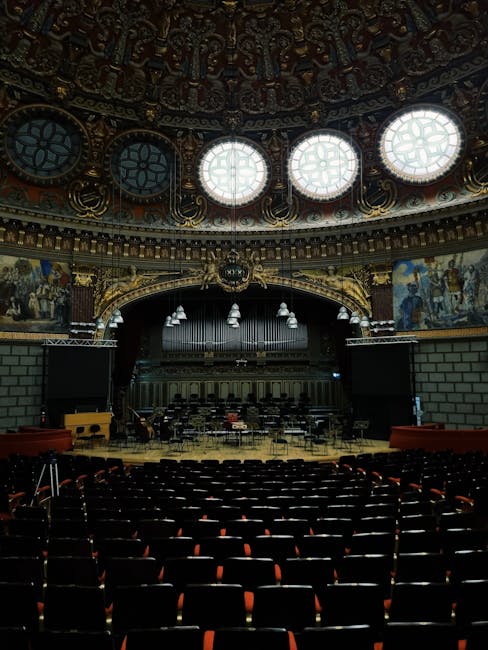
Description: The Romanian Athenaeum is Bucharest’s musical emblem, with a gilded dome and exceptional acoustics. Tours let you see the concert hall, foyer and murals — a must for architecture and classical-music fans. Housed in the former royal palace, the National Museum of Art of Romania offers themed guided tours (Byzantine collections, Romanian masters, European impressionists). Tip: pair a daytime museum tour with an evening concert at the Athenaeum — book early (tickets €15–60 depending on the performance).
Themed and alternative tours: communism, street art and night walks
Bucharest is a city of contrasts: neoclassical buildings sit beside socialist apartment blocks and contemporary murals. Themed paid tours immerse you in these parallel realities, usually led by specialist guides. These tours suit travelers looking for deeper narratives, off-the-beaten-path spots or critical perspectives on past and present.
Communism and modern architecture tours
Common meeting points: in front of the National Museum of Romanian History (Calea Victoriei 12) or University Square.
Duration: 2–3 hours. Price: €12–25 per person depending on length and inclusions (interior access to buildings or guided entry to the Palace of the Parliament optional). Schedule: morning or afternoon; sometimes offered in the evening for a different atmosphere.
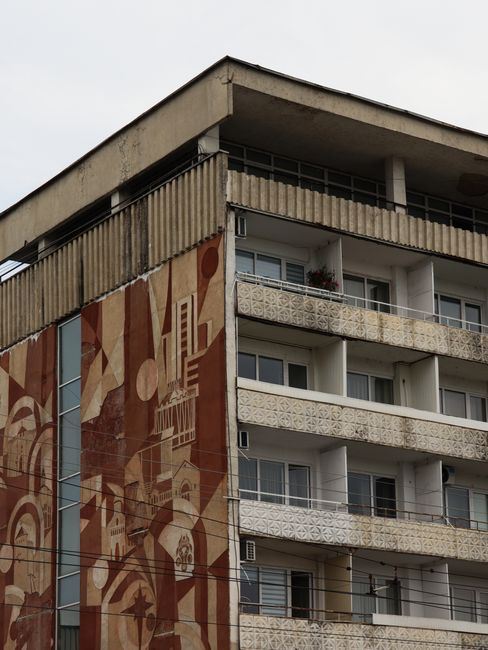
Description: These walks explain the communist period, urban-planning policies and post-1989 transformations. Guides point out places like Piața Victoriei, Casa Presei Libere (Casa Presei Libere, Piața Presei Libere 1) and socialist housing districts, and discuss constructivist architecture, mosaics and adaptive reuse projects. Local tip: wear comfortable shoes and bring a notebook — guides mention architect and project names worth revisiting on your own.
Street art and modern culture tours
Areas: Floreasca neighborhood, Arthur Verona Street, Dacia Boulevard and renovated industrial sections.
Duration: 1h30–2h. Price: €10–18 per person. Hours: usually afternoon, best light and safer for narrow alleys.
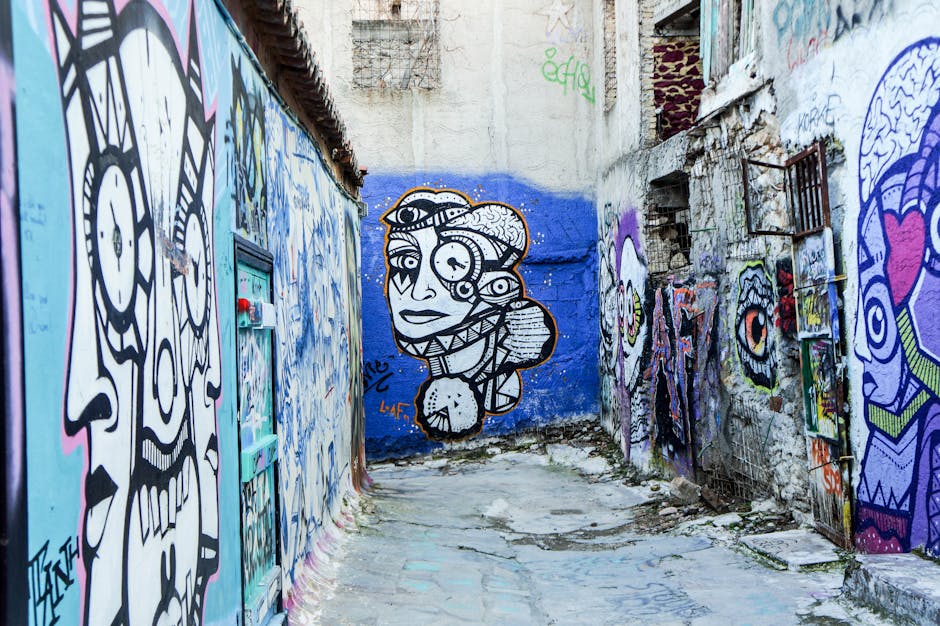
Description: Guides show you murals, alternative galleries and artist-run projects funded by local initiatives. The route often includes stopovers at artist studios, cultural cafés and sometimes a micro-gallery to meet creators. Tip: respect local photography rules (ask permission when artists are present) and carry a light jacket — shaded alleys can feel cool even in summer.
Night tours and ghost walks
Duration: 1h30–2h. Price: €12–20 per person. Typically depart from Lipscani (Old Town) around 20:00–21:30 depending on season.
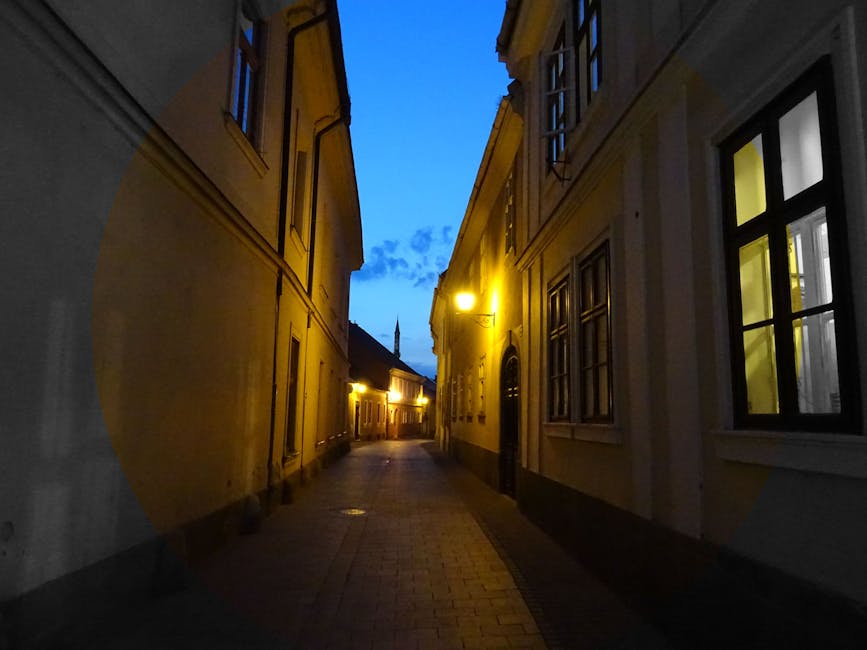
Description: Night walks explore nocturnal history, urban legends, haunted sites and lit-up architectural restorations. Popular in autumn, they often include theatrical anecdotes and suit travelers who enjoy folklore. Tip: check the company’s style — some tours are « dramatized » while others stick to a factual approach.
Culinary and active experiences: food tours, bike rides and tastings
To experience Bucharest through taste and movement, combine culture with cuisine. Paid food tours and bike tours offer a sensory immersion: sample mămăligă, sarmale, mici (grilled minced-meat rolls) and local pastries while exploring neighborhoods often skipped by typical routes. These formats suit travelers who want to eat like a local and stay active.
Food tours
Common meeting point: Piața Unirii or Strada Lipscani.
Duration: 3 hours. Price: €35–55 per person (includes 5–7 tastings and a drink). Hours: typically 11:00–14:00 for a brunch-style tour or 17:00–20:00 for an evening tour.
Description: Led by a culinary expert, you’ll taste traditional dishes and new culinary concepts: mici from a master butcher, artisanal cheese and bread, and Romanian desserts in a historic patisserie. Guides explain recipe histories, seasonal variations and recommend places to recreate dishes at home. Tip: tell your guide about allergies in advance; groups are usually small (8–12 people) to encourage interaction.
Bike tours and Segway rides
Meeting points: Herăstrău Park (Șoseaua Pavel Dimitrievici Kiseleff 28-30) or Piața Victoriei.
Duration: 2–3 hours. Price: €20–35 per person for a guided bike tour; Segway tours €30–50. Hours: morning 09:00–11:30 or afternoon 15:00–18:00.
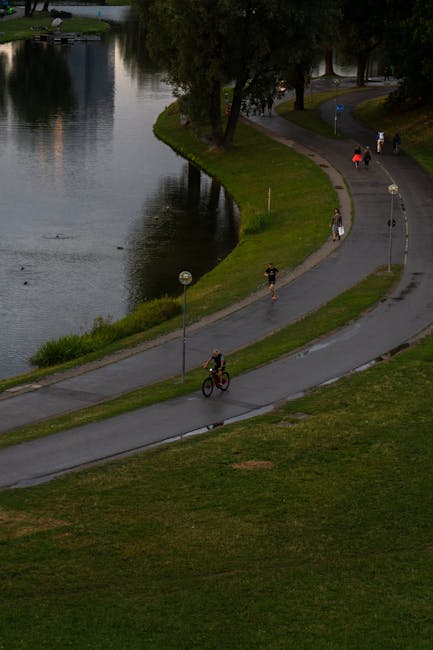
Description: Bike routes cover parks (Herăstrău/Regele Mihai I Park), the lakeside and quieter residential neighborhoods. Great for covering more ground than on foot, you’ll see Belle Époque villas, green spaces and everyday life. Tours include helmets, basic training and often a coffee stop. Tip: book for dry weather; operators usually allow rescheduling or partial refunds in case of rain.
Private tours, families and accessibility: comfort and customization
Visitors with special needs or those wanting a tailor-made experience will find many paid options in Bucharest. Private tours, family-friendly routes and accessible options have improved significantly in recent years thanks to guide training and site upgrades.
Private and custom tours
Price: variable, typically €60–200 for a half-day depending on group size and inclusions (paid entries, transport). Duration: 3–5 hours for a half-day, 6–8 hours for a full day.
Description: Private tours let you set the pace, choose themes (art deco, design shopping, communist architecture) and include visits that are hard to access in larger groups. Benefits: flexible timing, on-demand translation and a comprehensive overview for travelers short on time. Tip: clearly state preferred languages and any mobility constraints when booking.
Family-friendly and accessible visits
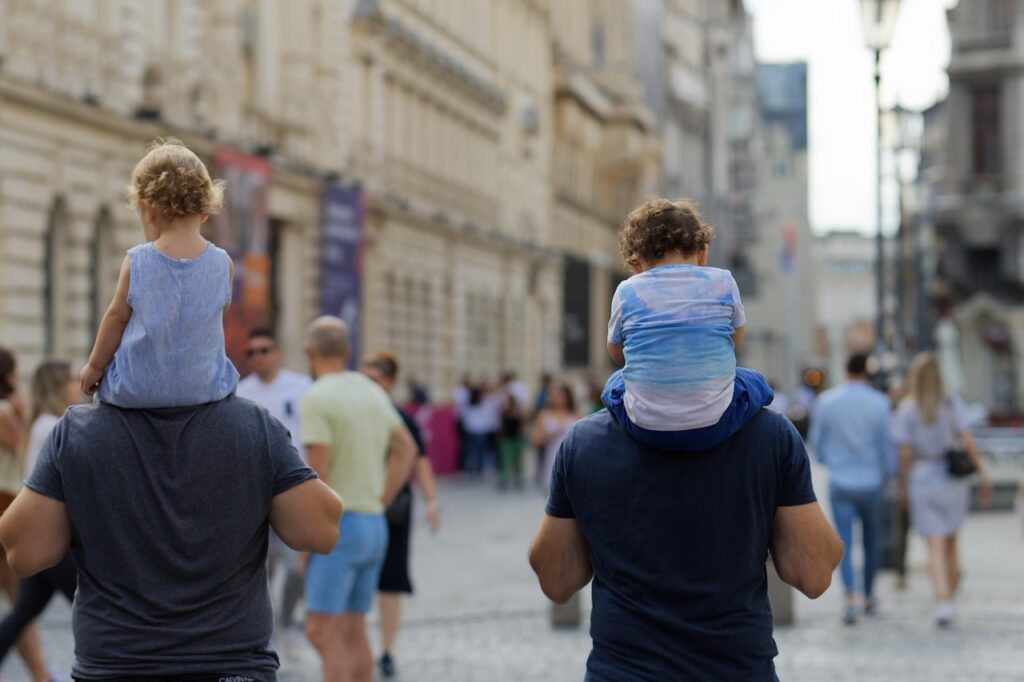
Price: often aligned with standard tours, with child discounts (average €6–12 for ages 6–12). Duration: 1–2 hours for families with young kids, with playful activities included.
Description: Agencies offer interactive routes for children (treasure hunts at the Village Museum, short museum workshops) and adapt content by age. Many tours provide accessibility info: ramps at the National Museum of Art of Romania, limited elevator access at the Palace of the Parliament and adapted vehicles for private tours. Tip: inform operators about any restrictions at least 48 hours ahead so they can confirm site accessibility.
Bookings, prices, practical tips and local rules
Planning paid guided tours in Bucharest requires a few practical steps to make the most of time and money. Here are concrete tips on booking, payment, timing and conduct.
- Book ahead: for the Palace of the Parliament and concerts at the Romanian Athenaeum, reserve at least 7–14 days in advance during high season (May–September).
- Payment: most companies accept card payments, online platforms like Stripe/PayPal, and sometimes cash (EUR or RON). Prepare a 10–15% tip for a good guide — local currency (RON) is often appreciated.
- Best times: early morning for museums (10:00–11:30) and late afternoon for photo tours (17:00–19:30) to catch golden light.
- Documents: ID required for Palace of the Parliament access and sometimes for student discounts.
- Languages: most tours run in English; check for French availability for small groups or private tours.
- Safety: Bucharest is generally safe; still, keep an eye on belongings in the Old Town at night and avoid isolated alleys very late.
- Combos: to save money, combine a food tour + night walk or a museum + private visit — some companies offer bundled discounts (10–20% off).
Conclusion: Picking the paid tour that fits you in Bucharest 2026
In 2026 Bucharest offers a full range of paid guided tours to suit every type of traveler: history buffs, food lovers, families, photographers and contemporary-culture curious. Must-do tours like the Palace of the Parliament, the National Museum of Romanian History, the Romanian Athenaeum or the Village Museum deliver rich, well-managed experiences but often require advance booking and adherence to security rules. Themed tours — communism, street art, night walks — provide specialist perspectives and lively narratives, while food and bike tours offer a sensory, active way to discover the city.
To get the most from paid options, start by defining priorities: do you want to unpack the communist past, taste local food, attend a concert or capture memorable photos? Then check schedules (especially for the Palace of the Parliament and museums), language options, accessibility and what’s included (entry fees, tastings, equipment). Booking online via the museum’s official site or a reputable agency often gives better guarantees and flexible cancellation options.
A few local tips: arrive early, bring a light jacket for air-conditioned rooms, follow photo rules (some rooms prohibit photography) and chat with your guide — the best stories often come from casual exchanges. With a bit of planning and curiosity, your paid guided tour in Bucharest will be a memorable, discovery-filled experience at your own pace. Safe travels and enjoy your visits in Romania’s capital!