





Introduction — Bucharest and its museum landscape: between state gigantism and private energy
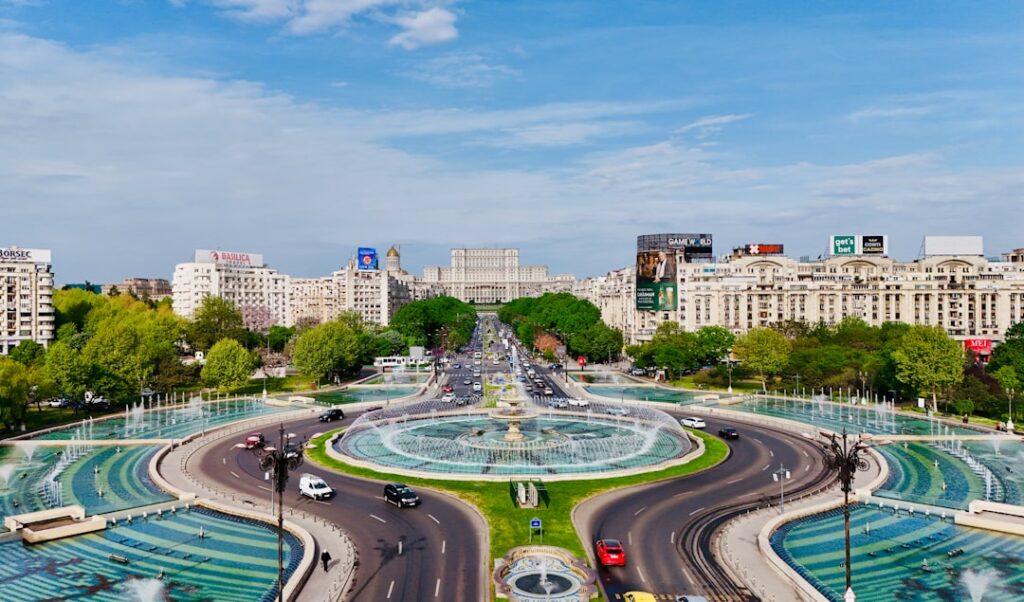
Bucharest is a city of architectural contrasts where wide Haussmann-style boulevards meet Art Nouveau pockets, imposing communist-era residences and bold contemporary interventions. For visitors fascinated by museum architecture, the Romanian capital is a rich study area: monumental state buildings repurposed as exhibition venues, historic palaces turned into national museums, and a lively private scene activating industrial interiors or century-old townhouses. From the colossal Palatul Parlamentului (Palace of the Parliament), a showcase of the late communist regime, to tiny private galleries tucked into the lanes of Lipscani, Bucharest’s museum architecture tells as much about the country’s political and social history as it does about the evolution of museological practice in Europe.
This architectural stroll is organized around several complementary nodes. First, emblematic public institutions — the Palace of the Parliament, home to the Muzeul Național de Artă Contemporană (MNAC), and the Muzeul Național de Artă al României (MNAR) — illustrate how scale and the staging of art intersect with symbolic power. Then, historical museums such as the Muzeul Național de Istorie a României engage in dialogue with restored palaces, offering routes that combine furniture, archaeological collections and recent display designs. Finally, the private scene — galleries, artist collectives, pop-up spaces — occupies more modest building types: converted studios, former print shops and refurbished townhouses.
In this guide I offer a detailed exploration of major venues and useful addresses, with practical information (prices in euros, opening hours), immersive architectural descriptions and local tips to make the most of each stop. The aim isn’t merely to list museums, but to read their architectures: how does monumentality shape the perception of works? How do intimate volumes encourage discovery of emerging contemporary art? Which uses of glass, stone, concrete or stucco enhance lighting and the spatial presentation of collections? The answers are found in circulation, materials and the successive adaptations of buildings.
This guide is for curious travelers as well as professionals (architects, curators, students) wanting to understand the continuities and breaks in Bucharest’s museum architecture. You’ll find suggested itineraries, visual descriptions to help spot photographic highlights, and practical advice (best times to avoid crowds, tram/metro connections, museum cafés and bookshops). Lace up some comfortable shoes: Bucharest is best explored on foot in its historic districts, but several museums require reservations for guided tours (notably the Palace of the Parliament), and signage can be minimal in independent galleries. Finally, remember that prices and hours can change: the euro indications here reflect common public rates, but it’s wise to check official websites before you visit.
Palatul Parlamentului and the MNAC: the architecture of power repurposed as museum
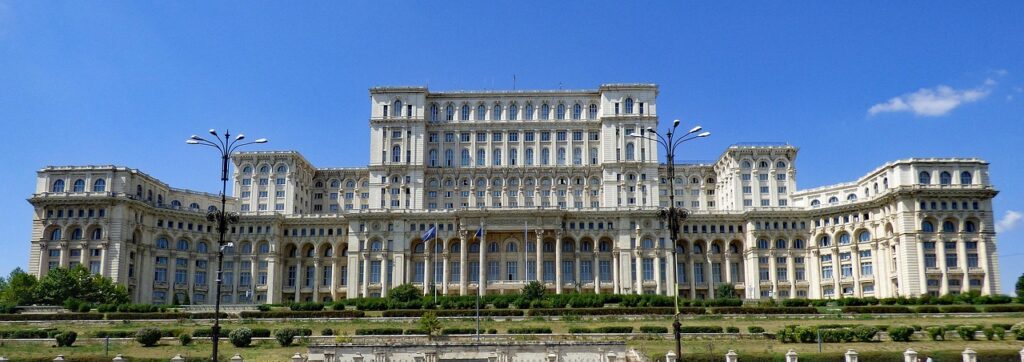
Palatul Parlamentului (Palace of the Parliament), one of Bucharest’s most spectacular symbols, is also a textbook case for understanding how a monumental building is converted into a museum. Address: Strada Izvor nr. 2-4, Sector 5, 050563 București, Romania. Built under Nicolae Ceaușescu’s direction, this colossal complex — the second largest administrative building in the world after the Pentagon — was intended as an expression of state power. Today it houses multiple functions: institutional offices, congress halls and, importantly, the Muzeul Național de Artă Contemporană (MNAC), officially the National Museum of Contemporary Art (when hosted within the Palace of the Parliament).
Visiting the Palace first requires adjusting to scale: volumes are vast, and marble and stucco finishes monumentalize the circulation spaces. The standard guided tour (reservation recommended) grants access to formal reception rooms, grand staircases and halls converted into temporary galleries. Indicative fees: Palace interior guided tour ≈ €12–15 per person (adult rate), MNAC visit (single entry) ≈ €6. Hours: the Palace generally runs guided visits Monday to Sunday; slots are often at 10:00, 12:00, 14:00 and 16:00 but vary with the institutional calendar — check availability on the official site or at the ticket office. The MNAC (located in a wing of the Palace) typically opens from 10:00 to 18:00, closed on Monday; entry ≈ €5–8 depending on exhibitions.
Architecturally, the conversion raises both challenges and opportunities: how to adapt rooms designed for official receptions to display contemporary art? Curators play on contrasts — minimalist works in a baroque setting, video installations in richly moulded rooms — producing a distinctive dramaturgy. Very high ceilings accommodate large-scale installations and video projections, but present acoustic and natural light challenges. MNAC’s display strategy often favors targeted LED lighting and freestanding modules to avoid damaging historical surfaces.
Practical tips: book the Palace guided tour at least 48 hours in advance, arrive 20 minutes early for security checks, and wear comfortable shoes for walking across vast marble floors. Photography: some rooms allow photos without flash; staff will indicate restricted areas. For full immersion, combine the Palace visit with a stroll along Parcul Izvor nearby, and finish with a coffee on the MNAC terrace (season permitting) to take in the building’s silhouette in its urban setting.
Muzeul Național de Artă al României and historic palaces: classical collections in a neoclassical setting
The Muzeul Național de Artă al României (National Museum of Art of Romania) is housed in the former Royal Palace, a centrally located building that is an ideal example of displaying historic collections. Address: Calea Victoriei 49-53, Sector 1, 010063 București, Romania. The museum preserves Romanian and European painting and sculpture collections, arranged between national galleries and monographic rooms. Indicative fees: adult entry ≈ €5–7, discounts for students and seniors ≈ €2–4. Hours: generally 10:00–18:00, closed Monday; occasional late openings on certain days (check calendar).
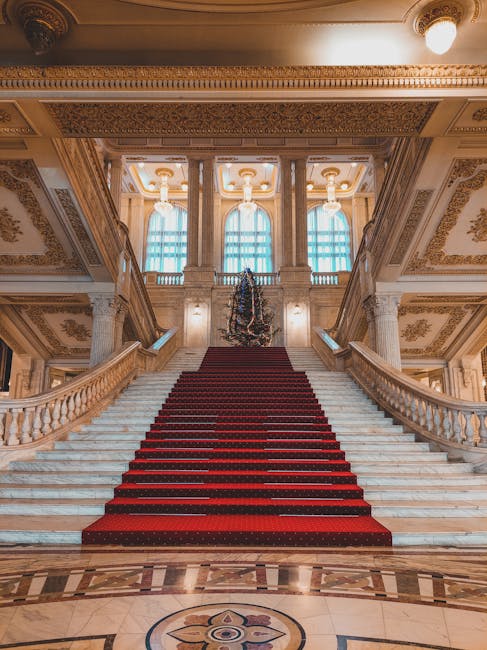
The Royal Palace’s neoclassical proportions, high ceilings and large windows are well suited to presenting paintings. Curators have maintained a dialogue between reception spaces — entrance salons, the grand staircase — and more intimate galleries tailored to paintings. Natural light, filtered by drapes and supplemented by conservation-grade artificial lighting, enables accurate readings of color and texture. European masters (Rembrandt, El Greco) sit alongside major Romanian canvases from the 19th and 20th centuries, creating an accessible chronological route.
For those focused on museum architecture, pay attention to the transitions between formal rooms and gallery spaces: baseboards, cornices and circulation routes that were originally decorative now serve scenographic purposes, guiding the eye and modulating the depth at which works are perceived. The museum also hosts temporary exhibitions that use annex spaces and unconventional rooms (former royal apartments). These ephemeral projects demonstrate how contemporary interventions can be introduced without altering heritage structures.
Local tips: visit early in the morning to enjoy the main rooms without crowds, ask the front desk for a floor plan to follow thematic routes (Romanian painting, sculpture, European masters), and stop by the museum bookshop for specialized catalogs and rare editions. Photographers should favor areas without anti-reflective glass and use a variety of focal lengths to capture moulding detail and gilded frames. Combine the visit with a walk along Calea Victoriei to admire other heritage façades and spot former residences now used as cultural venues.
Historical museums and house-museums: intimate scenographies and national narratives
Beyond the major museums, Bucharest offers several historical museums and house-museums where architecture actively contributes to the narrative. The Muzeul Național de Istorie a României (National Museum of Romanian History) at Calea Victoriei 12, Sector 5, București, is a good example: located in a traditional city building, it combines permanent galleries and thematic exhibitions that trace the national story. Fees: adult entry ≈ €5–6; hours: 10:00–18:00, closed Monday (check for temporary exhibitions).
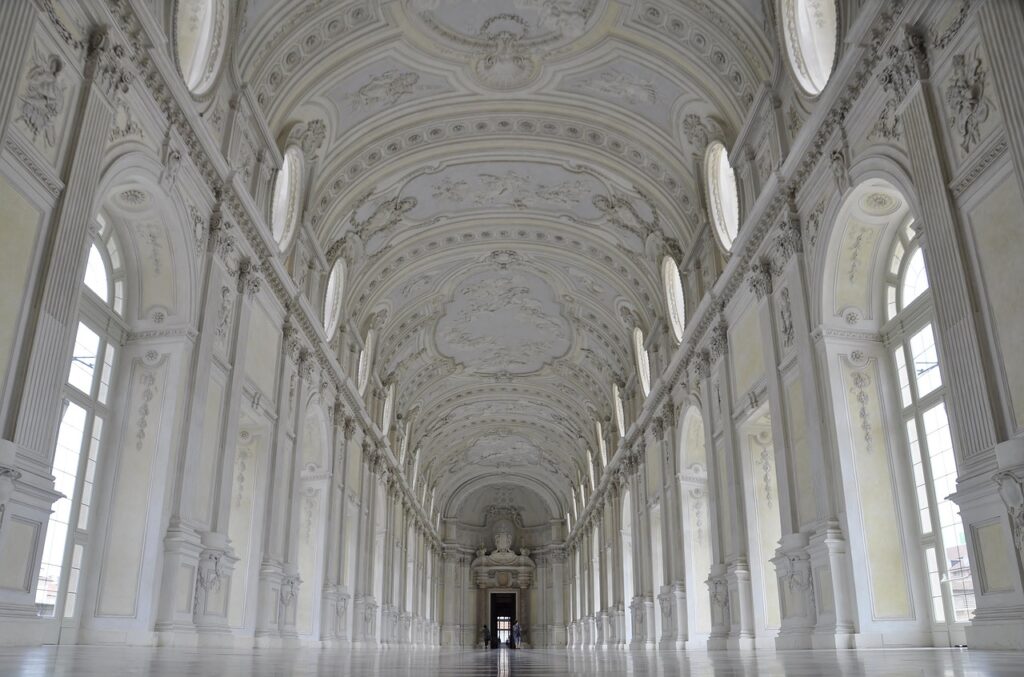
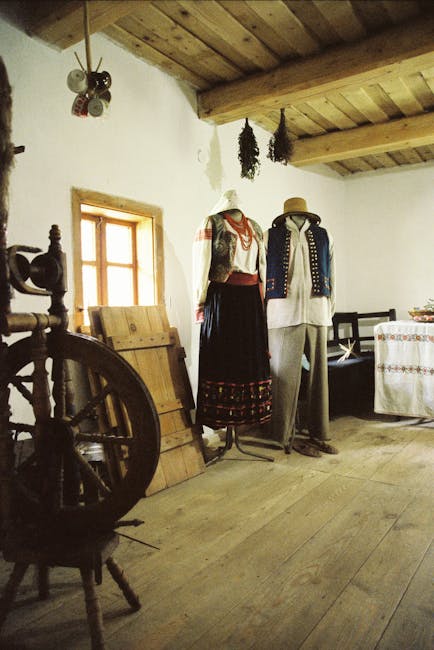
Exhibition design in historical museums often relies on intimacy and spatial fragmentation: small display cases, didactic devices and reconstructions. The interior architecture — salons, bedrooms, corridors — becomes a storytelling tool. In house-museums dedicated to intellectuals or artists, original rooms are preserved to recreate domestic atmosphere: worn floorboards, woodwork, period lighting. These material elements are invaluable because they provide tangible context for the exhibited objects.
Another noteworthy site is the Muzeul Național « George Enescu » (George Enescu National Museum), located at Calea Victoriei 141 (indicative address: Calea Victoriei 141, Sector 1, București). Dedicated to the composer George Enescu, the museum occupies a historic house where displays link scores, instruments and personal documents. Fees: entry ≈ €3–5; hours: usually 10:00–17:00; check for guided visits and concerts.
The architectural interest of these museums lies in conserving spatial authenticity. Unlike contemporary galleries that recompose space for installations, house-museums demand a conservative approach: limit technical interventions, install custom showcases and adapt lighting without altering historical perception. For visitors, these venues offer immersive, often intimate experiences well suited to close study of objects and the discovery of personal narratives.
Practical tips: favor guided tours that explain the site’s history and conservation choices; check concert and reading schedules as house-museums frequently host cultural events; and consult temporary exhibitions, which can replace a usual room during restoration work. For photography, ask staff permission since many displayed items have light and flash restrictions.
The private scene and independent galleries: small architectures, big discoveries
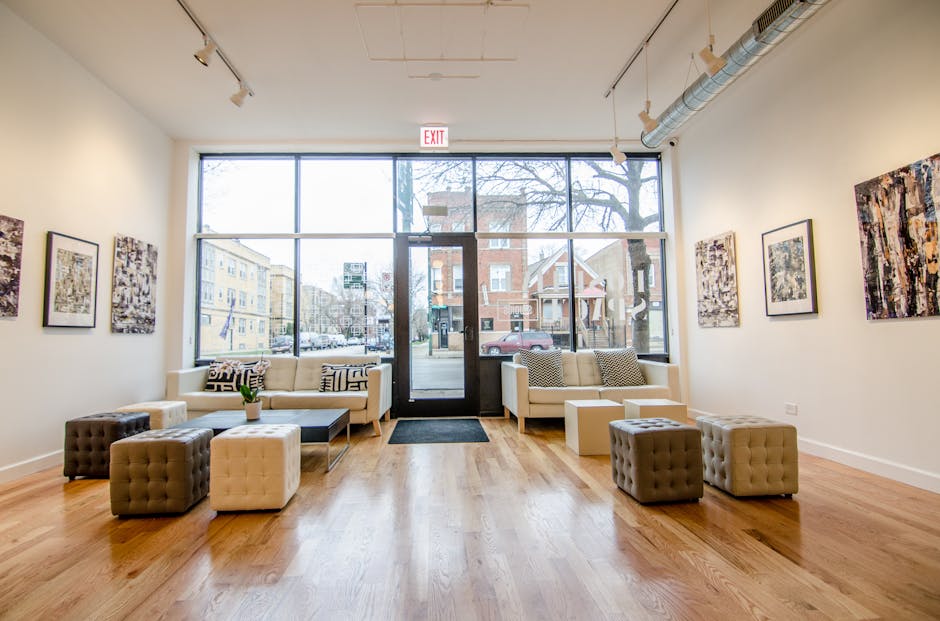
Bucharest’s cultural vitality now runs through a dense network of private galleries and independent spaces that, despite modest footprints, propose inventive exhibition architectures. These venues often occupy restored townhouses, converted studios or transformed industrial buildings. They offer an essential counterpoint to the monumental aesthetic of public institutions: here, scenographic experimentation is more flexible, hangings are bolder, and contact with artists is more immediate.
Notable spots include satellite MNAC offsite projects, galleries along Strada Arthur Verona (a street known for its cafés and small galleries around numbers 13–15), as well as experimental spaces in Cotroceni and near Piața Victoriei. Private gallery locations change frequently, so check Instagram or official websites for opening hours and vernissages. Generally, private gallery entry is free or symbolic (€0–3) and hours tend to be Wednesday–Saturday, 12:00–19:00, with evening openings for vernissages until about 22:00.
Architecturally, these small galleries rely on flexibility: removable partitions, white walls and adjustable gallery lighting. Low or narrow volumes are transformed into visual sequences with tilted panels, custom plinths and clever hanging systems. Experimental spaces also occupy industrial brownfields where high naves allow for large installations while preserving an intimate relationship between work and visitor.
Visitor tips: plan around vernissages (Thursday/Friday evenings are popular) to meet artists and gallerists; remember many private galleries close early on Sundays and Mondays; if you plan to purchase works, ask for technical sheets (dimensions, materials, provenance) and international shipping details. Photography is usually permitted without flash, but always respect rules during performances or sensitive installations.
Recommended walks and themed routes: reading the museum-city by neighborhood
To grasp Bucharest’s museum architecture in a structured way, here are a few themed routes that combine major museums, house-museums and private galleries, organized by urban proximity and alternating between large institutions and intimate experiences.
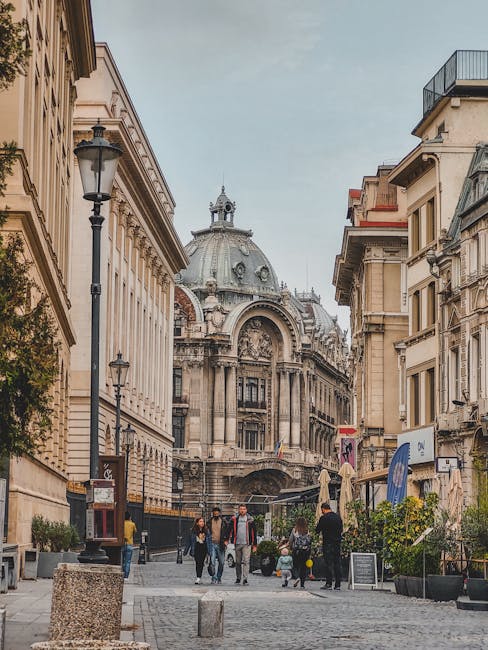
Itinerary 1 — Historic center and Calea Victoriei (half-day): start at the Muzeul Național de Artă al României (Calea Victoriei 49-53; entry ≈ €5–7; 10:00–18:00), stroll down Calea Victoriei admiring neoclassical façades, pause at the Muzeul Național de Istorie a României (Calea Victoriei 12; entry ≈ €5–6), then finish in Lipscani’s small galleries to experience the shift from heritage architecture to contemporary creativity. Allow time for the museum bookshop for specialized catalogs.
Itinerary 2 — Palace of the Parliament and MNAC (half-day): guided tour of Palatul Parlamentului (Strada Izvor 2-4; reservation recommended; tour price ≈ €12–15), followed by MNAC (entry ≈ €6) and a walk in Parcul Izvor. This route shows how monumental discourse is transformed into a contemporary exhibition device.
Itinerary 3 — Galleries and studios district (full day): move between Arthur Verona, Strada Franceză and the lanes around Piața Romană, visiting private galleries (usually free entry), open studios and cultural cafés. This circuit highlights micro-museum architectures — small modular spaces, industrial conversions and hybrid venues where exhibitions mingle with social life.
Logistics tips: use the transport card (RATB/Metrorex) to optimize movement; most museums offer student and senior discounts — bring your international student card. In high season (May–September) arrive early to avoid queues, especially at the Palace. And always leave room for an unexpected temporary show: Bucharest’s art scene evolves quickly and pop-up projects can turn an old shop into an unexpected exhibition space.
Conclusion — Reading Bucharest through its museums: perspectives and practical tips for visitors
Bucharest’s museum architecture is a plural language: it expresses a state’s ambitions, a nation’s cultural identity and the creativity of a growing private scene. From the gigantism of Palatul Parlamentului to the intimate layouts of independent galleries, each type of space offers a distinct way to host, preserve and interpret artworks. Understanding these differences enriches a visit: a work is read differently if shown in a state reception room, an industrial nave or a reconstructed salon.
To make the most of your stay, adopt a few simple but effective habits. First, plan: book guided tours (Palace of the Parliament) and check opening days (national museums often closed on Monday). Then, diversify your visits — don’t limit yourself to major institutions: combine them with house-museums and private galleries for a fuller picture. Bring a student discount card if you have one, as reduced rates are common. For gear, pack comfortable shoes, a small tripod if you’re a photographer (often allowed on request), and a light jacket for air-conditioned rooms in summer.
Finally, tap local resources: museum bookshops, audio guides and mediators can turn a visit into a memorable experience. Bucharest’s gallerists and curators are generally approachable and happy to discuss projects — don’t hesitate to chat at vernissages. Above all, allow time to wander: some of the most interesting discoveries appear in a building courtyard or a neighborhood studio, off the usual tourist routes. By reading the city through its museums, you’ll better understand the historical layers and contemporary stakes that make Bucharest’s cultural life so vibrant today.
Happy architectural travels and enjoy exploring Bucharest’s museum spaces — a city where every façade, grand staircase and small gallery tells a story at the crossroads of past and future.