





Introduction — Hostels vs Apartments: Why this debate in Bucharest?
Bucharest, Romania’s energetic capital, draws a wildly diverse crowd each year: backpackers on a shoestring, culture-seeking tourists, digital nomads and business travelers hunting for budget-friendly stays. Between the cobbled lanes of Lipscani, the sweeping art-deco boulevards and leafy parks like Cişmigiu and Herăstrău, the city serves up a range of urban vibes that heavily shape where you’ll want to stay. The hostel vs apartment debate isn’t just about price — it’s about comfort, social life, location, safety and how practical the stay will be.
In this guide we take a practical, hands-on look at both budget options in Bucharest. We explain how hostels and short-term rental apartments typically work, give concrete examples with addresses, price ranges in euros, typical check-in/out times and immersive descriptions to help you pick depending on your travel style. Whether you’re a backpacker hoping to meet fellow travelers, a couple after a private nest for a few nights, or a pro on a work trip needing a quiet corner, this guide will help you weigh pros and cons.
Hostels usually offer mixed or female-only dorms, lively common areas, shared kitchens and regular events (guided walks, communal dinners, țuică tastings). They’re often located in the historic center (Lipscani / Old Town), near tram and metro lines, which makes getting around cheap and easy. Apartments give you autonomy, privacy, a kitchenette and sometimes extras like a washer, workspace or balcony. They can be found in quiet residential neighborhoods like Dorobanți, Cotroceni or on the city’s north side by Herăstrău Park — a more “local” feel, sometimes at slightly higher cost or with cleaning fees.
This guide uses real-style examples to illustrate the differences: full addresses for logistics, euro price ranges converted to practical brackets, typical hours (arrival, reception, check-out) and local tips — how to avoid platform scams, where to buy a cheap SIM, which transport network to favor based on your lodging, and how to book smartly outside festival periods (George Enescu Festival, UNTOLD-related events, university seasons). It also includes budget-focused tips: how to spot good value, which amenities are worth paying a bit more for, and when renting an apartment is genuinely the better investment.
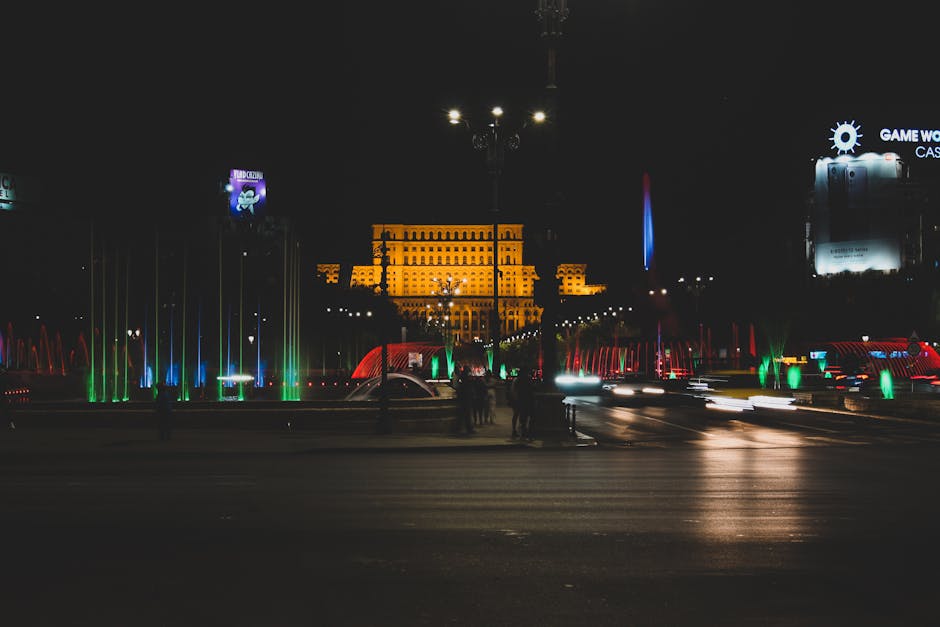
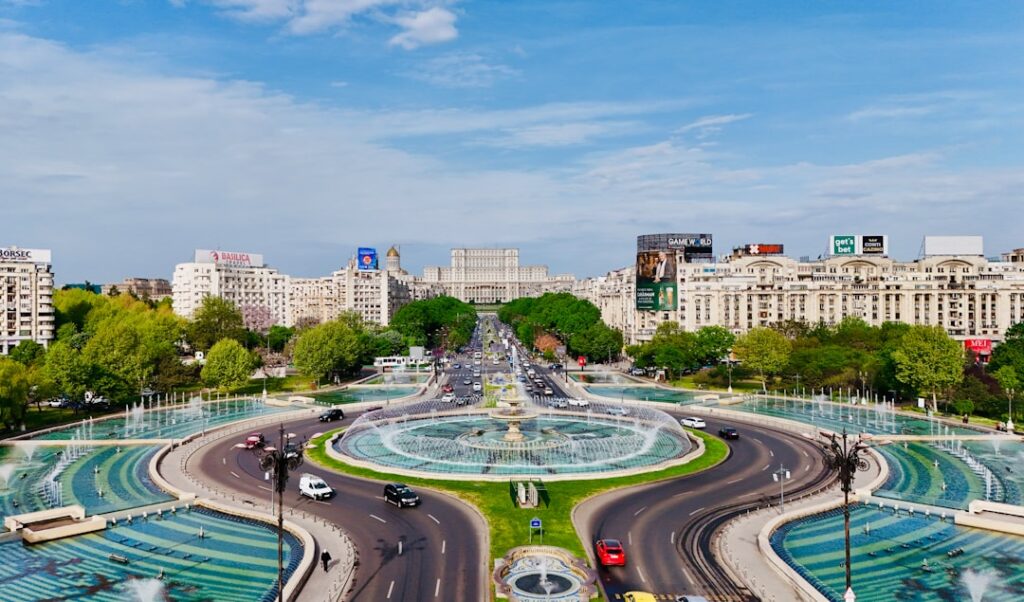
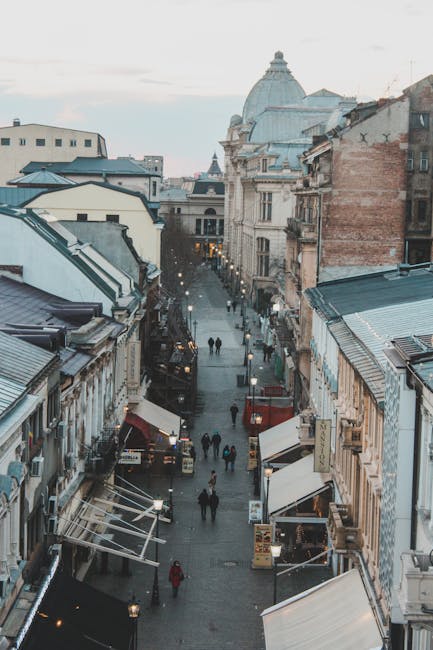
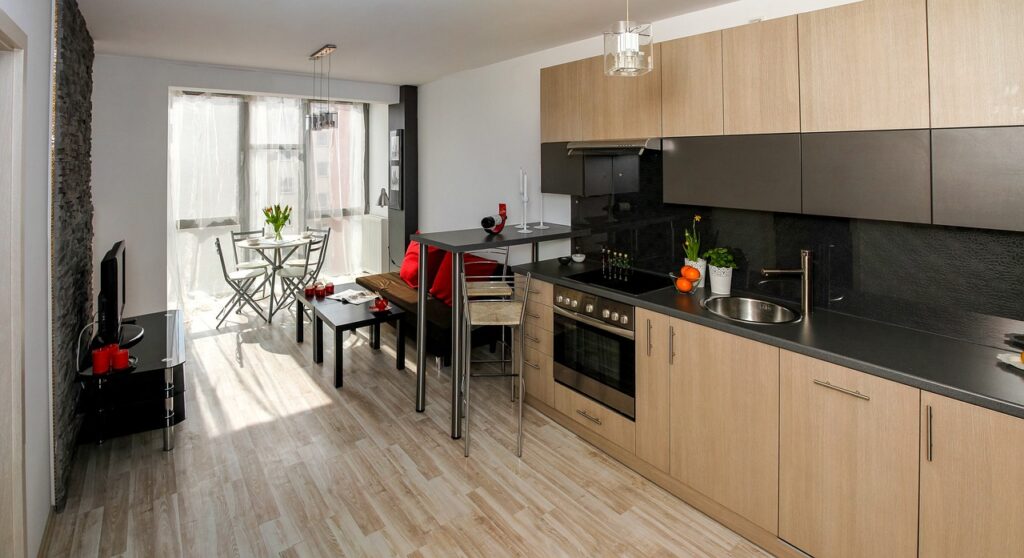
We also include visual cues to help you picture it: points of interest, street atmospheres and common areas you’ll typically find in a Bucharest hostel or apartment. These symbolic images (marked by the image tags) will help you imagine the kind of stay that suits you. Get ready to explore the trade-offs between social life and solitude, cost and comfort, centrality and calm — and to choose the option that fits your stay in Bucharest best.
1) Hostels in Bucharest: vibe, costs and prime locations
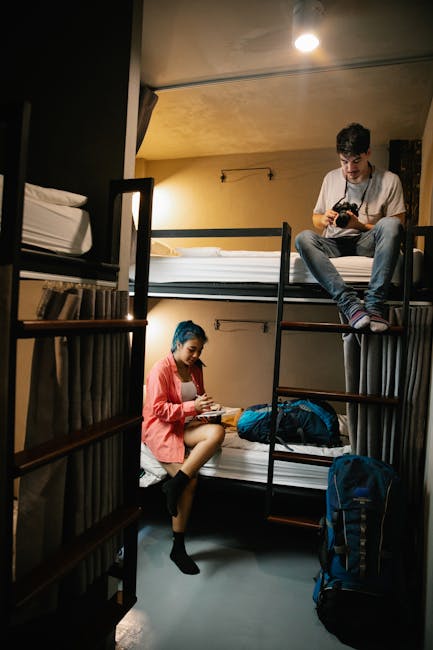
Hostels in Bucharest are a natural pick for budget travelers looking for social life and convenience. Typical hostels offer 4-, 6- or 8-bed dorms, budget private rooms and communal zones that encourage meeting others: equipped kitchens, lounge areas with poufs, small libraries and sometimes terraces. Most are located in the historic center (Lipscani), around Piaţa Unirii, or near Gara de Nord — strategic spots for catching trams and the metro.
Practical example: “Podstel Bucharest Hostel” (a well-known independent hostel among travelers). A typical city-centre address you may find: Strada Lipscani 34, Sector 3, Bucharest 030033. Indicative low-season prices: dorm beds from €8–12 per night, private rooms from €20–35 per night. Common reception hours: flexible check-in from 14:00 to 23:00, reception open 08:00–23:00 (varies by management). Many hostels allow check-out until 11:00 or 12:00.
Another local example: “Little Bucharest Old Town Hostel” (typical location: Strada Franceză 58, Lipscani, 030167). Prices: dorms €9–15 / night, private doubles €25–40 / night. Hours: reception 07:00–22:00, check-in from 15:00, check-out at 11:00. Hostels in this area regularly organize free walking tours (tip-based), movie nights or communal meals.
Atmosphere and safety: expect a young, international crowd, background music in common spaces, individual lockers (sometimes paid), and house rules (quiet hours after 23:00). Hostel security in Bucharest is generally good — most require ID at check-in, lock access at night and use electronic locks. Still, keep valuables in a safe if one is available.
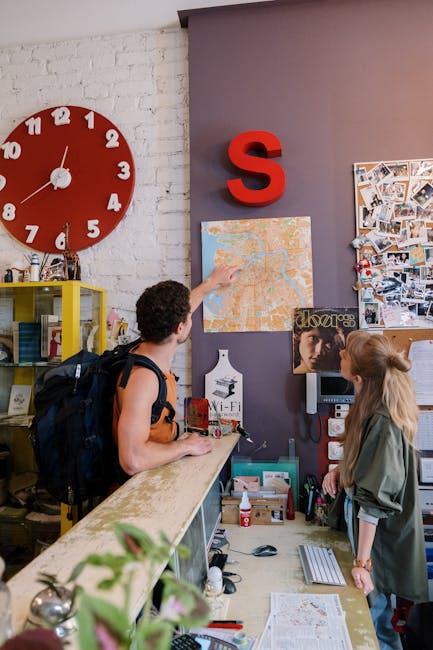
Services and extras: budget hostels often include a simple breakfast (coffee, bread, jam) either free or for a small charge (€1–3). Laundry machines cost about €3–6 per wash, sometimes with extra for drying. Wi‑Fi is usually free and fine for messaging and light streaming; if you need serious bandwidth for work, consider booking a private room. Many hostels can arrange tours and airport transfers (Henri Coandă — Otopeni shuttles: €6–12 per person depending on time/distance) and will advise on safe taxi options (use Bolt or Uber, or radio taxis like Meridian, 021-9522).
Local practical tips for hostels:
- Book ahead in high season: George Enescu Festival, summer holidays and big events can drive prices up. Book 2–4 weeks in advance.
- Use public transport: If your hostel is in Lipscani or Piaţa Universității, most museums are a 10–20 minute walk; otherwise use the metro (Gara de Nord / Piața Victoriei / Universitate) — single tickets cost about €0.50–0.70 (RATB/Metrorex).
- Meet other travelers: join communal dinners or the Free Walking Tours to get tips before booking other activities.
- Avoid surprises: check if the city tourist tax is included (usually €1–2/night) and whether there are extra laundry or cleaning charges.
2) Short-term apartments: independence, real costs and recommended neighborhoods
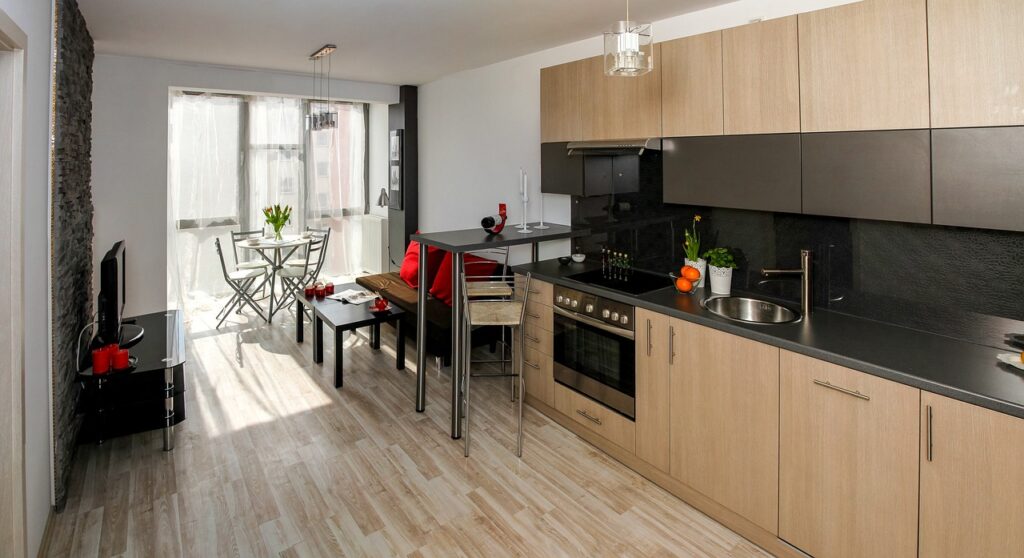
Short-term rental apartments (studios, one-bed, two-bed) are popular with travelers who want privacy, the ability to cook and the comforts of a home for several days. In Bucharest you’ll find modern studios around Piata Romana, stylish flats in Dorobanți, budget options near Universitate and renovated choices in Cotroceni — each neighborhood offering a different experience.
Typical examples and representative addresses:
- Piata Romana Studio — Modern Studio, Strada Ion Campineanu 5, Sector 1, Bucharest 010026. Price: €30–45 / night depending on season for 1–2 people. Hours: check-in from 15:00 (self check-in possible until 22:00), check-out 11:00. Amenities: kitchenette, Wi‑Fi, coffee maker, countertop workspace.
- Historic Lipscani Apartment — Central One Bedroom, Strada Lipscani 22, Sector 3, Bucharest 030033. Price: €40–65 / night. Hours: flexible (self check-in 16:00–21:00), optional cleaning service €10–20.
- Cozy Dorobanți Studio — Quiet Neighborhood, Strada Polonă 10, Sector 1, Bucharest 010484. Price: €35–55 / night. Perks: residential area, local shops, tram and bus nearby, quiet at night.
Real costs: the prices above are averages; remember to add possible platform service fees (5–15%), cleaning fees (€10–30), and any local tourist tax if applicable (€1–2/night). For longer stays (7+ nights) you can often negotiate a discount with the owner (frequently 5–20% off) and avoid frequent cleaning fees.
Concrete benefits of apartments:
- Independence: cooking at home can save you a lot (local grocery stores: Carrefour Express, Lidl, Mega Image; home-cooked meals can cost €3–6 each).
- Privacy and work-friendly: good for digital nomads: a desk, power strips, and usually better soundproofing than a hostel.
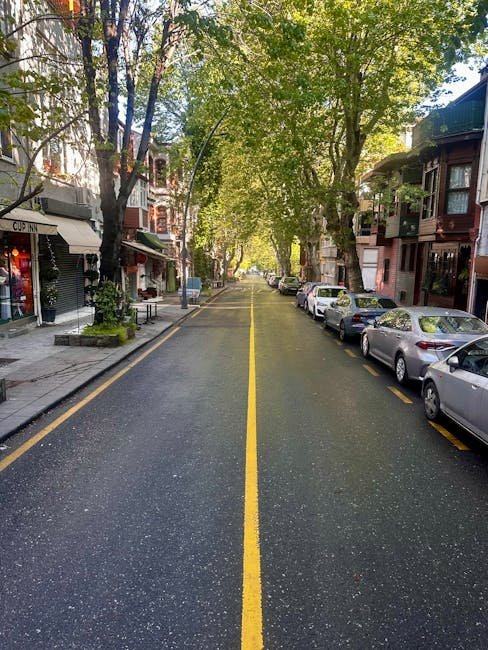
- Local experience: living in a residential neighborhood (Cotroceni, Dorobanți) connects you with local markets (Cotroceni Market, Strada Mărgăritar), cafes and artisan bakeries.
Drawbacks and risks:
- Less socializing: if you’re traveling solo and want to meet people, an apartment can feel isolating.
- Variable quality: listing photos can be flattering; read recent reviews carefully, confirm the host’s identity and ask about Wi‑Fi and air conditioning.
- Hidden fees: watch out for high cleaning charges, excessive security deposits or late arrival surcharges.
Tips for smart apartment bookings:
- Verify the exact address: compare the platform address with Google Maps and Street View to judge the neighborhood and proximity to transport.
- Ask about utilities: is heating/AC included? Romanian winters can be cold — make sure central heating is covered.
- Clear agreement: get an official receipt for any payment, especially for longer stays to avoid tax or dispute issues.
- Use platform messaging: in case of a dispute, platforms like Airbnb keep records and facilitate resolution through their support.
3) Detailed comparison: costs, comfort, safety and flexibility
To choose between a hostel and an apartment it helps to compare point by point: nightly cost, hidden expenses, comfort, location, safety, social opportunities and check-in/out flexibility. Here’s a pragmatic comparison built around common travel scenarios in Bucharest.
Costs — estimated daily budget (per person):
- Budget hostel: €8–15/night (dorm), + breakfast €0–3, meals €6–12 (local eating), transport €1–3 = total budget €16–33/day.
- Hostel private room: €25–40/night, similar extras = €35–55/day.
- Studio apartment: €30–50/night, sometimes cleaning/platform fees included, food can be cheaper if you cook (€3–8/meal) = total €40–70/day if eating out, or €30–45/day if you cook.
These estimates change with season and location. Lipscani and Piața Victoriei are usually pricier; residential sectors like Titan or Pantelimon offer cheaper apartments but are farther out.
Comfort and amenities:
- Hostel: simple dorm beds, bunk beds, small lockers, shared kitchen. Good for resting between sightseeing but not ideal for deep work.
- Apartment: full bedding, kitchenette, washing machine, better soundproofing, workspace. Pick an apartment if you’re staying more than three nights and need to work during the day.
Safety and regulation:
- Hostel: ID checks at arrival, staff on site, often locked access at night. A solid choice for solo travelers.
- Apartment: security depends on the building: some have intercoms and badges, others are more open. Check street lighting and proximity to a pharmacy or convenience store.
Arrival and departure flexibility:
- Hostel: most have reception with extended hours (07:00–23:00), allowing late check-ins. Great for late-night arrivals to Henri Coandă Airport.
- Apartment: often self check-in (key box/digital lock), but hosts may restrict late arrivals or charge a late check-in fee (€10–30 after 22:00).
Practical cases:
- Solo traveler, 3 nights to visit museums and nightlife: choose a hostel in Lipscani or Piata Unirii to be in the thick of things and save on taxi costs.
- Couple or business traveler, 5–10 nights: go for an apartment in Piata Romana or Dorobanți for privacy, a kitchen and better work conditions.
- Family with a child: favor an apartment for space and facilities; hostels rarely cater well for families unless they offer specific family rooms.
4) Local tips, booking hacks and practical recommendations
Smart booking in Bucharest is more than picking the lowest price: it’s about judging value, location relative to your plans and logistics (transfers, hours). Here are local tips drawn from traveler and resident experience.
1) When to book?
- Low season (November–March, excluding holidays): more availability and bargaining power. Temperatures drop and some places charge more for heating — check what’s included.
- High season (May–September, festivals): book 4–8 weeks ahead for central apartments and 2–4 weeks for hostels.
2) Transport and location: choose based on priorities
- Historic center (Lipscani): perfect for nightlife and museums; noisy at night but ideal for walking around. Typical streets: Strada Smârdan / Strada Lipscani.
- Piata Romana / Universitate: close to metro lines and many cafés, a good compromise for work and leisure.
- Dorobanți / Floreasca: upscale residential neighborhoods, high-end restaurants and cafés, quieter at night.
3) Secure payments and reservations
- Pay via the platform to keep an official record. If an owner asks for a bank transfer, request a written contract and a receipt.
- If paying cash on arrival, ask for an official receipt and a check-in inventory. Security deposits are common (€50–200); confirm terms for refund.
4) Connectivity and communication
- Buy a local SIM (Orange, Vodafone, DigiMobil) at the airport or in town: data plans from €5–10 for 10–20GB are handy for maps and taxi apps (Bolt).
- Hostel Wi‑Fi is often free; in apartments, check the advertised speed (modern flats often have 50–200 Mbps).
5) Food and daily life pointers
- For groceries: Lidl, Carrefour Express, Mega Image (found across central and residential areas). Budget: €20–40/week for someone cooking.
- Cheap eats: street food and local bistros (shawarma €2–4, ciorbă soup €3–5, main dishes €6–10).
6) Tricks to get the best price
- Negotiate for long stays — message the host via the platform; many accept discounts off-platform if you pay a secured deposit (always ask for a contract and receipt).
- Consider weekday arrivals instead of Saturday: rates can be lower and availability better.
7) If a technical problem happens
- Contact the host first; if there’s no reply, use the platform’s hotline. Keep photos and records of all communications. For emergencies (safety, fire), dial 112 in Romania.
Conclusion — Which option suits your profile?
The choice between hostel and apartment in Bucharest mainly depends on your budget, comfort priorities and length of stay. For a short, social and budget-friendly visit, a hostel in Lipscani or near Piaţa Unirii is often unbeatable: dorm beds from €8–15/night, international atmosphere, a reception that’s handy for late arrivals and on-the-spot activity tips. Hostels are great for young travelers, transients and anyone who prefers social life over privacy.
If you’re staying multiple nights, traveling as a couple, with family or working remotely, an apartment is usually the better choice. For €30–60 per night you get a kitchen, workspace, true privacy and often better sound insulation. Neighborhoods like Piata Romana, Dorobanți and Cotroceni offer a solid balance between access to the center, calm and local shops. Don’t forget to factor in cleaning fees, security deposits and any tourist tax when doing the math.
In practice, a hybrid approach often works best: book a hostel for the first two nights if you arrive late and want to dive straight into the city, then move to an apartment for the remainder if you want stability and comfort. That way you can scout the city before choosing the exact neighborhood where you’ll settle.
Final tip: whatever you choose, prioritize transparency and communication. Verify addresses on Google Maps, read recent reviews, ask for clarity on hours and fees, and keep all reservation confirmations. Bucharest is a generous, surprising city: whether you roam the lively Lipscani alleys or relax on a Dorobanți terrace, you’ll find an option that matches your budget and taste for discovery. Enjoy your stay in Bucharest — whether you pick hostel sociability or apartment comfort, Romania’s capital has plenty to charm you.