





Introduction: Why Bucharest Guides Tell More Than Just Routes
Bucharest, Romania’s capital, is a city of contrasts where ancient history coexists with visible traces of the communist era and signs of a contemporary cultural revival. A tour guide in Bucharest does far more than list sights: they weave a narrative, illuminate layers of time, and reveal anecdotes often missed by the hurried traveler. Understanding what guides cover in Bucharest means being ready to dive into a city that tells its story through its squares, museums, churches, Art Nouveau buildings, literary cafés and the cobbled lanes of the historic Lipscani quarter.
In practice, general guides address several dimensions. First, chronology: from early Byzantine and medieval influences and settlements, through the founding princes (like Vlad the Impaler — Vlad Țepeș — whose association with the capital is more remote), the 19th-century boom with boulevards inspired by Paris, and finally the deep imprint left by Nicolae Ceaușescu’s communist regime. Then the architectural aspects: they linger on the Palatul Parlamentului (Palace of the Parliament), that colossal emblematic building, but also on quieter gems like the Ateneul Român (Romanian Athenaeum) and the Palatul CEC (CEC Palace), which reflect the city’s shifting ambitions and styles.
At the same time, guides share local anecdotes — cafés once frequented by writers, tales of resistance (notably the events of the December 1989 Revolution at Piața Revoluției / Revolution Square), or small urban legends such as how certain façades entered collective memory. Guides also provide practical information: full addresses, opening hours, entrance fees in euros, how to get there, and tips to avoid queues or make the most of a visit. They cover food and micro-skills too: where to try a papană (a local specialty) or a good sarmale, and which markets are worth a visit.
Finally, a key role of guides is contextualization: why a monument was built, which social and political forces shaped a neighborhood, and which contemporary cultural scenes are giving the city its new energy. A good guide won’t just tell you where to go, but why to go, how to empathize with a place, and how to respect local customs (for example, appropriate dress for churches, fees for visiting certain private rooms, or how to negotiate a taxi). In this article, we’ll explore these themes in detail: from must-see places to little anecdotes, plus practical tips to get the most out of a general guide in Bucharest.
Palaces, Power and Paradoxes: Palatul Parlamentului and Its Stories
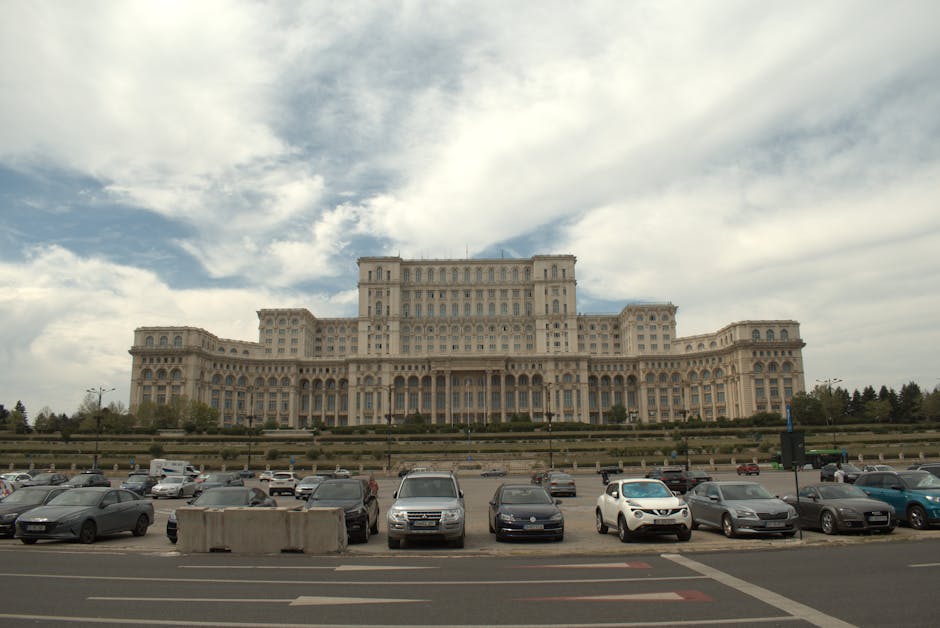
The Palatul Parlamentului (Palace of the Parliament) is often the starting point for stories about Bucharest. Built during Nicolae Ceaușescu’s rule, it is one of the largest administrative buildings in the world. Located at Strada Izvor 2-4, Sector 5, București 050563, it dominates the cityscape with its mass and marble. Guides detail the project’s origins, usually described as a mix of megalomaniac ambition and political constraints: entire neighborhoods were razed to make way for the sprawling complex, and thousands of workers helped build it, sometimes under harsh conditions.
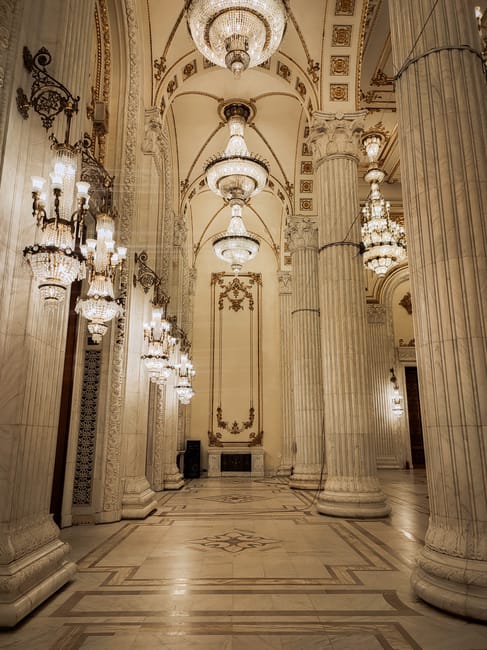
Standard guided tours typically cost between €12 and €15 for adults, with discounts for students and seniors (bring ID). Typical hours are Monday to Sunday, 10:00 to 16:00, but booking in advance is essential since tours are limited and supervised for security reasons. Guides explain the emblematic rooms: the Grand Gallery, the Chamber of Deputies, the monumental staircases, and salons with luxurious decorations. They never fail to point out the paradoxes: the interior opulence contrasts with the poverty many experienced during the communist era.
Common anecdotes shared by guides: some marbles are said to have come from other Eastern Bloc countries, and gigantic light fixtures had to be imported and assembled on site. Other stories highlight post-communist ironies: private owners now rent out halls for events, weddings or conferences where political assemblies once took place. Guides also pass on practical advice: arrive 30 minutes before your tour, dress respectfully (avoid shorts in certain ceremonial rooms), and carry a small bag — large bags are often restricted.
Museums and Memory: National Museum of Romanian History, Village Museum and More
Guides typically cover a set of museums that tell Romania’s deep and layered history. The National Museum of Romanian History (Muzeul Național de Istorie a României) is located at Calea Victoriei 12, București 010063. Typical hours: Tuesday to Sunday, 10:00–18:00, closed on Mondays. Entry fee is around €6 for adults, with reduced rates for students and seniors (around €3–4). Guides point out the highlights: the medieval crown, Dacian and Roman artifacts, and exhibits focused on modern and contemporary periods.
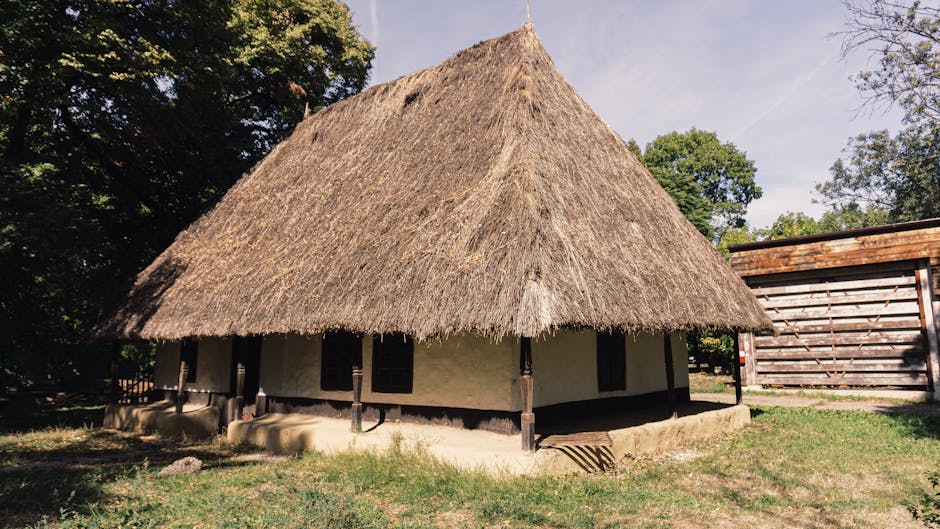
The Muzeul Național al Satului « Dimitrie Gusti » (Village Museum), located in a park at Şoseaua Kiseleff 28-30, București 011347, is an open-air museum showcasing traditional houses, churches and artisans from different rural regions of Romania. Hours: generally daily 9:00–17:00, with entry around €3–5. Guides love to tell anecdotes: some houses were moved stone by stone from remote villages; other exhibited objects once belonged to prominent families.
Other institutions covered by guides include the Muzeul Național al Țăranului Român (National Museum of the Romanian Peasant) — Şoseaua Kiseleff 3, București 011347 — dedicated to rural arts and traditions, usually open Tuesday to Sunday, 10:00–18:00, with an entrance fee around €4–6. Guides explain the difference between these museums: the Village Museum offers an immersive outdoor experience, while the Museum of the Romanian Peasant presents ethnographic collections, textiles, icons and everyday objects.
Practical tips from guides: visit the Village Museum in the morning to avoid summer heat, pair a visit to the Museum of the Romanian Peasant with a nearby café tasting, and buy tickets online when possible to skip lines. Guides also share human stories — passionate curators, artisans returning to run workshops, or descendants of families whose heirlooms are on display — which enrich the visit well beyond reading museum labels.
Churches, Melodies and Nights Out: Romanian Athenaeum, Stavropoleos and Cultural Scenes
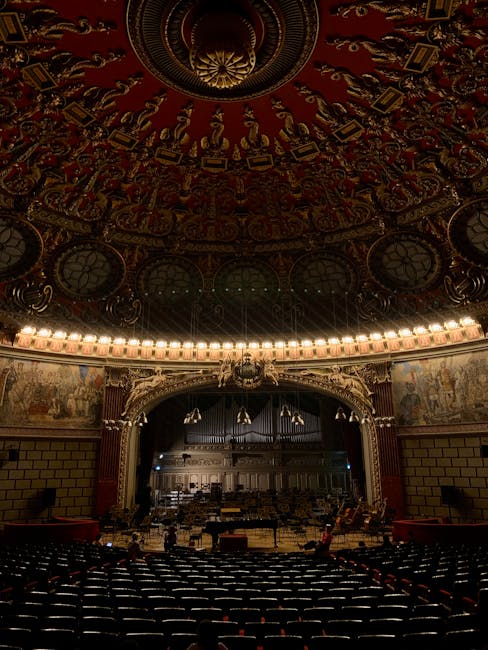
Bucharest’s spiritual and cultural side is a highlight for guides. The Ateneul Român (Romanian Athenaeum), an architectural masterpiece and renowned concert hall, sits at Strada Benjamin Franklin 1-3, București 010088. Tours of the building (outside concert times) cost around €5–7; symphony concerts vary widely: €8 for top-level balcony seats up to €30–50+ for numbered seats and prestigious events. Box office hours: typically Tuesday to Sunday, 10:00–18:00, but concert listings are updated according to programming.
More intimate, the Stavropoleos Monastery (Biserica Stavropoleos) is located at Strada Stavropoleos 4, București 030087. This small Brâncovenesc-style jewel is known for its carved wooden iconostasis and Byzantine chants. Entry is often free or by donation (a few euros recommended), and the church is usually open 8:00 to 18:00. Guides tell stories about chant-recording sessions by the monastic choir and occasional civil or religious ceremonies that bring the local community together.
Guides outline where to hear classical music, jazz or alternative concerts: the Athenaeum for large ensembles, venues like ARCUB (Centrul Cultural al Municipiului București, Piața Amzei 1) for cultural events and exhibitions, and small jazz clubs in Lipscani for late-night sets. Times and prices differ greatly by event, and guides offer hacks: buy tickets in advance for popular shows, check student discounts, and attend a rehearsal if possible for a more intimate experience.
Walking Tours and Neighborhoods: Lipscani, Calea Victoriei and Urban Parks
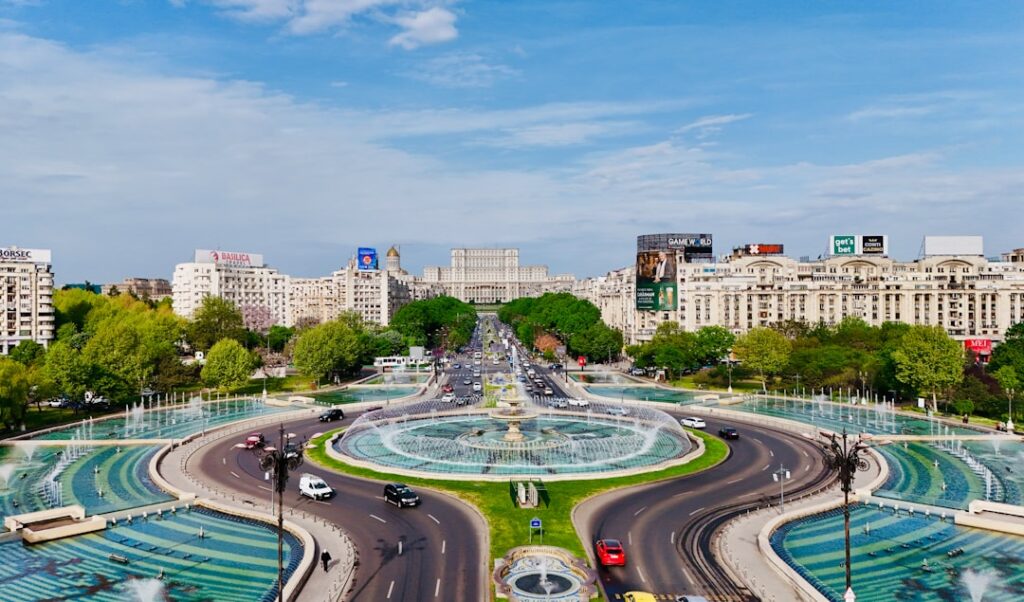
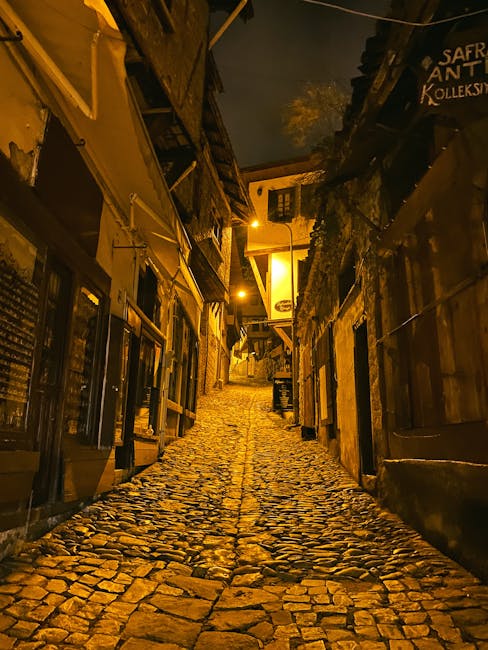
Guides always dedicate a section to walking routes and neighborhoods to explore. The historic Lipscani quarter (Old Town) is often described as a maze of pedestrian streets filled with bars and restaurants. A typical walk starts on Strada Stavropoleos, passes Piața Unirii and heads up toward Calea Victoriei, one of the city’s grandest boulevards, where you’ll find the Palatul CEC (CEC Palace) at Calea Victoriei 13, București 030016. The CEC Palace, with its decorated dome, is a frequent photo subject; the interior isn’t always open but the façade alone is worth seeing.
Guides also describe green spaces: Parcul Carol I (Carol Park), along Bulevardul Libertății, is a peaceful spot with a mausoleum, ponds and paths. Another landmark is the Arcul de Triumf at Piața Arcul de Triumf, Şoseaua Kiseleff 1, București 011347. The arch can be admired for free from the outside; access to the panoramic terrace is sometimes available during events or in paid time slots for about €2–3.
Guides provide detailed itineraries, for example: start with a coffee on Strada Smârdan, visit Stavropoleos, wander Lipscani and stop for lunch (typical affordable meal: €5–€12), then walk up Calea Victoriei stopping at the National Museum of Romanian History. They also recommend checking out local markets like Matache for fresh produce, or hitting a weekend flea market for authentic souvenirs.
Practical tips: avoid unofficial taxis, prefer local apps (Bolt, Uber) or metered cabs; the currency is the Romanian leu (RON) though prices are often shown in euros as a reference — having local currency is handy for small purchases. Guides also suggest best times for photography: sunrise and sunset particularly light up Calea Victoriei and the Palace of the Parliament.
Anecdotes, Behind-the-Scenes and Insider Tips: Stories That Surprise
General guides deliver a collection of anecdotes and little stories often passed down by word of mouth. For instance, it’s said that after Ceaușescu’s fall, some spaces in the Palatul Parlamentului were used to store confiscated furniture and documents, and that luxurious rooms were rented out for film shoots and private receptions. Another popular tale concerns how early-20th-century literary cafés evolved into modern clubs while still bearing plaques commemorating writers and intellectuals like Mircea Eliade or Eugène Ionesco.
Guides also touch on everyday-life stories: the resilience of families whose neighborhoods were reshaped by urban projects, or rural traditions that persist in markets and fairs. They share insider tips: how to spot a good local restaurant (look for locals and no multi-language menu), where to buy quality Romanian wine (specialized cellars on Calea Victoriei), or how to attend a Byzantine mass to hear traditional chants.
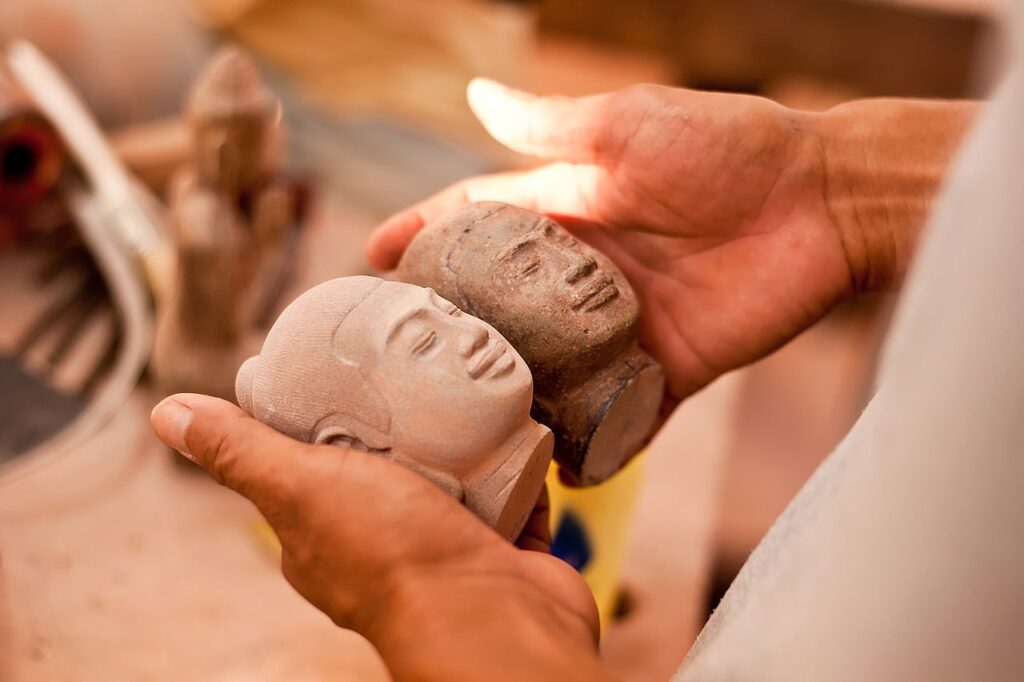
Other anecdotes point to lesser-known spots: secret passages, artisan workshops surviving in inner courtyards, or portraits of colorful local characters — the street vendor who tells a neighborhood’s history, the museum curator who knows every object’s backstory, or the retired tram driver who remembers the network’s tales. Guides encourage visitors to strike up conversations, ask for local stories and stay curious: often, a great anecdote starts with a simple question to a resident.
Safety and etiquette tips from guides: watch your belongings in busy tourist areas, respect queues at exhibitions, ask permission before photographing private or religious places, and leave a reasonable tip (5–10% in restaurants if service isn’t included). Finally, guides advise leaving room to wander without a strict plan: it’s often during unplanned moments that the best discoveries and stories happen.
Conclusion: What a General Guide Brings You in Bucharest
A general guide to Bucharest is more than a list of points of interest: they provide perspective, tell stories, advise and, above all, humanize the visit. By giving exact addresses (like Palatul Parlamentului, Strada Izvor 2-4; Ateneul Român, Strada Benjamin Franklin 1-3; Muzeul Național al Satului, Şoseaua Kiseleff 28-30), indicative hours (museums often 10:00–18:00, churches sometimes open 8:00–18:00), and prices in euros (Palace of the Parliament €12–€15, Village Museum €3–5, National Museum €6), they also give you the keys to understand how and why the city developed as it did. Guides compare eras, explain architectural choices, and share anecdotes that bring a visit to life.
They also recommend practical steps: book certain visits in advance (Palace of the Parliament), buy Athenaeum concert tickets online, avoid peak times for outdoor walks, and use reliable mobility services. They emphasize that the best experience comes from balancing planned visits (museums, monuments) with free time for the unexpected — a meeting with an artisan, an eye-opening temporary exhibition, or simply lingering at a terrace watching city life go by.
Finally, a good guide always leaves room for nuance: they warn against clichés, explain social and political realities, and urge you to discover the city with empathy. Whether you’re here for architecture, history, food or music, Bucharest offers multiple layers and surprises on every corner. Follow guides’ advice, but don’t forget to write your own anecdotes: those will be the truest account of your stay.