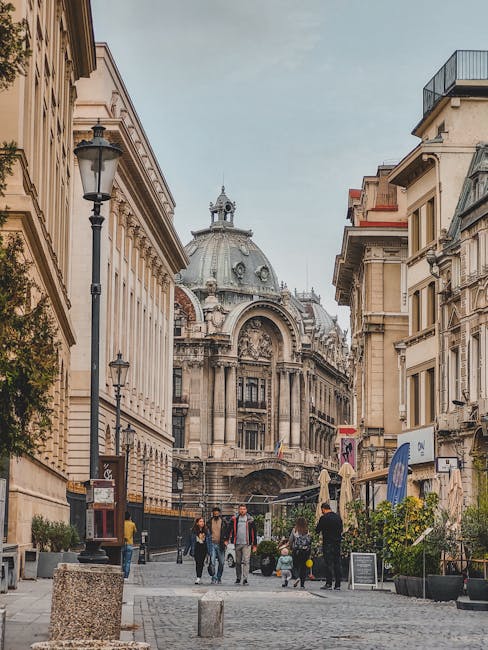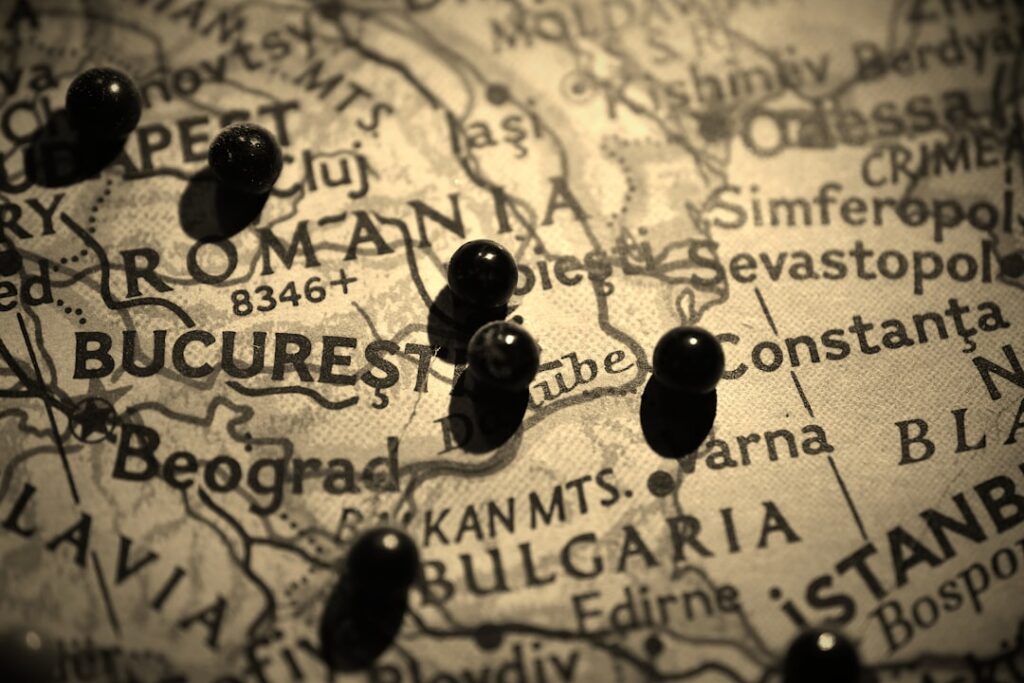






Introduction: Why visit Bucharest’s themed museums?
Bucharest is often seen as a city in transition — a place where history rubs shoulders with the contemporary, where broad, austere boulevards sit alongside intimate lanes and lush parks. For the curious traveler, the city’s themed museums offer a structured, rich way to unpack that complexity: classical and contemporary art, national history, natural sciences, rural traditions and specialized collections. This guide aims to give you a clear, practical roadmap to the must-see museums, with exact addresses, opening hours, prices in euros, immersive descriptions and local tips to make the most of each visit.
The wealth of Bucharest’s museums isn’t just about the quality of the collections, but also how each institution tells a different facet of the country’s story. Some museums occupy historic buildings heavy with meaning; others thrive in modern spaces that favor interactive displays. Whether you love classic art, are fascinated by political and social history, are a budding naturalist or are after sensory experiences, the city offers themed routes to suit every interest.
This guide takes a practical approach: you’ll find full names of the sites, precise addresses, indicative prices in euros (based on the latest public rates), typical opening hours and detailed descriptions for each museum. We also include local tips — when to visit to avoid crowds, which rooms to focus on, transport hacks and visit combinations that save time. The mental snapshots these descriptions create will help you picture the spaces before you even arrive.
Finally, keep in mind that museums may have special hours on public holidays or during temporary exhibitions, and prices can change (especially for temporary shows or guided activities). This guide gives you a solid foundation; for final details, check official websites before you go. Enjoy the read, and welcome to a route where every museum becomes a door into a particular story of Bucharest and Romania.
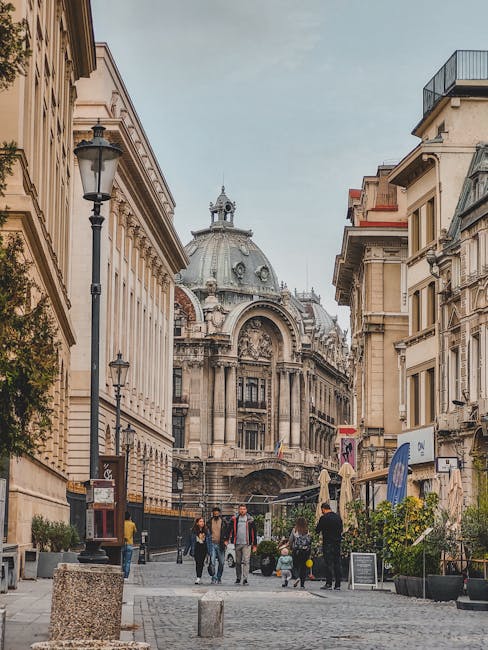
Muzeul Național de Artă al României (National Museum of Art of Romania) — classical art and national heritage
Full name: Muzeul Național de Artă al României (National Museum of Art of Romania)
Address: Calea Victoriei 49-53, București
Indicative prices: General admission €8.00; reduced (students, seniors) €4.00; free for children <6 years. Temporary exhibitions: an extra €3.00–€10.00 depending on the event.
Opening hours: Usually open Tuesday–Sunday, 10:00–18:00 (last entry 17:30). Closed on Mondays. Special hours for temporary exhibitions; check the official site before visiting.
Housed in the former Royal Palace, the Muzeul Național de Artă al României holds Bucharest’s most important collection of Romanian art alongside significant European works. From the moment you step in, the neoclassical architecture and grand volumes set a solemn pace for the visit. Galleries devoted to Romanian art span from the Middle Ages to the 20th century: Byzantine icons, 19th-century painters (notably Gheorghe Tattarescu and Nicolae Grigorescu), followed by modernists and 20th-century avant-gardes.
The European art section features major paintings—some acquired, others lent over time—showing Flemish, Italian and French influences on Romanian artists. Don’t miss the decorative arts and sculpture galleries, where marble and bronze converse with the paintings.
Local tips: aim for a morning visit to avoid tour groups. Renting an audio guide (often available in English and Romanian) helps put the national works into context. Architecture lovers should inquire about access to the palace’s heritage spaces (sometimes by reservation) — the view over Calea Victoriei and the park in front of the palace is particularly photogenic at sunset.
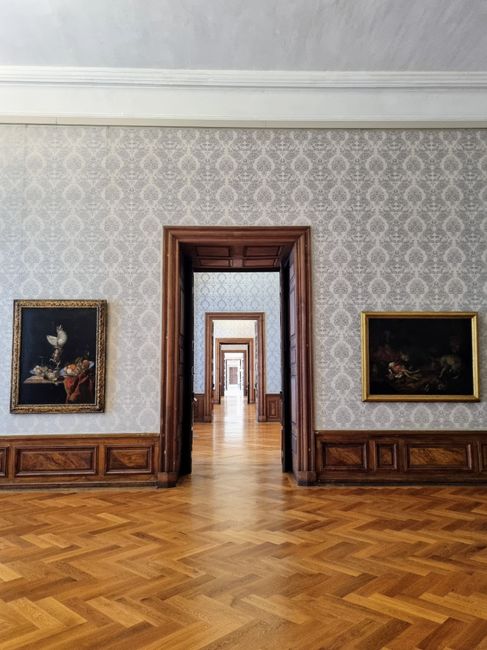
Muzeul Național de Istorie a României (National Museum of Romanian History) — archaeology, treasures and national memory
Full name: Muzeul Național de Istorie a României (National Museum of Romanian History)
Address: Calea Victoriei 12, București
Indicative prices: General admission €7.00; reduced €3.50; combined tickets for temporary exhibitions vary (often an extra €1.50–€4.00).
Opening hours: Open Tuesday–Sunday, 10:00–18:00. Closed on Monday. Some departments (underground sections, the treasure) may have specific time slots.
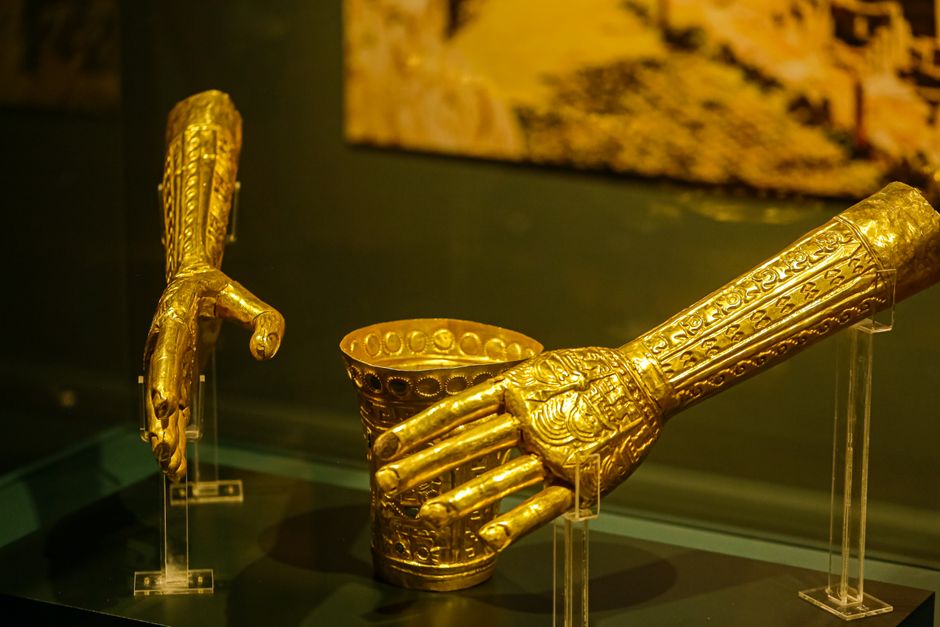
Sitting on the lively Calea Victoriei, the National Museum of Romanian History offers a chronological journey from prehistory to modern times. The highlight is the famous Tezaurul de la Pietroasa (Pietroasa Treasure), with jewelry and gold pieces from the 4th century, alongside Roman and medieval artifacts. The well-presented display cases mix explanatory texts, reconstructions and restored objects: weapons, coins, ceramics and everyday items.
The museum’s layout aims to make Romania’s long history tangible. Sections on the Roman era (Dacia) illustrate integration and trade with the Roman Empire, while the medieval displays highlight the formation of Wallachian and Moldavian principalities. Temporary exhibitions often tackle specialist topics (regional archaeology, conservation, numismatic studies).
Local tips: combine this visit with the National Museum of Art — they’re just minutes apart on foot. If you’re short on time, focus on the treasure section and the Roman galleries, which are the most impressive. English-language panels and paper guides are available, but booking a guided tour (often in English) can deepen the experience. Allow at least 2 hours for a full visit.
Muzeul Național de Istorie Naturală « Grigore Antipa » (Grigore Antipa Museum) — natural sciences and living collections
Full name: Muzeul Național de Istorie Naturală « Grigore Antipa »
Address: Șoseaua Pavel Dimitrievici Kiseleff 1, Sector 1, București
Indicative prices: General admission €6.00; reduced €3.00; family ticket (2 adults + 2 children) €15.00. Temporary exhibitions and the planetarium (if available): an extra €2.00–€5.00.
Opening hours: Open Tuesday–Sunday, 10:00–18:00. Closed on Monday. Some sections may open earlier or close later for special events.
Antipa is a must for families and natural science fans. The museum blends traditional displays (historic cabinets, glass dioramas) with modern interactive elements (touchscreens, educational installations). Exhibits on global biodiversity and local wildlife are particularly rich: mammal skeletons, entomology collections, taxidermy specimens and ecosystem reconstructions (forest, steppe, wetland).
The fossils and bone collections help tell the story of life on Earth, while sections on evolution and the environment address current topics like conservation and climate change. Temporary shows often explore marine biology, astronomy or new developments in paleontology.
Local tips: arrive early or later in the afternoon to avoid school groups. If you’re visiting with children, check the day’s workshops and activities — some Fridays and Saturdays feature interactive sessions. The museum sits close to the Village Museum (Muzeul Satului), so you can combine natural history and ethnography for a pleasant half-day in Kiseleff Park.
Muzeul Național al Satului « Dimitrie Gusti » (Dimitrie Gusti National Village Museum) and Muzeul Țăranului Român (Museum of the Romanian Peasant) — rural memory and traditions
Full name: Muzeul Național al Satului « Dimitrie Gusti » (Dimitrie Gusti National Village Museum)
Address: Șoseaua Pavel Dimitrievici Kiseleff 28-30, Sector 1, București (inside Herăstrău Park)
Indicative prices: General admission €5.00; reduced €2.50; guided tour in English (by reservation) €8.00–€12.00 per person.
Opening hours: Generally open daily, 9:00–17:00 (summer season: 9:00–19:00). Winter hours vary; check before visiting.
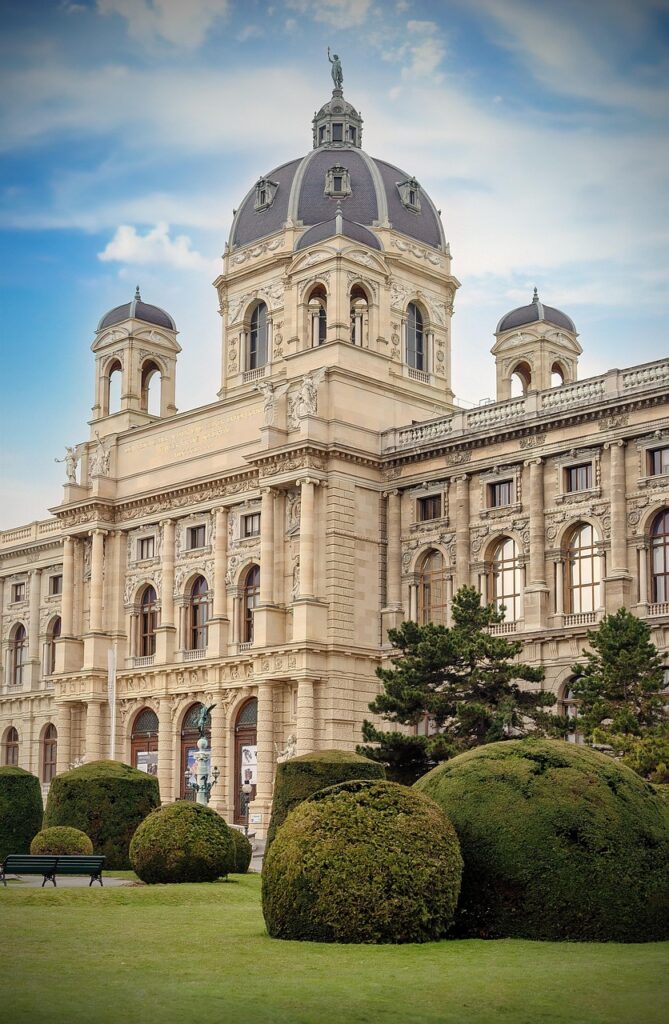
The Dimitrie Gusti Village Museum is an open-air museum that reconstructs traditional rural dwellings from across Romania. With more than 300 authentic buildings — houses, wooden churches, barns, mills — the site lets you walk through the architectural and material diversity of rural life. Structures were relocated and reassembled piece by piece, creating an immersive feeling: you may hear craftsmen working on traditional objects and smell the old wood inside re-created interiors.
A few minutes’ walk away, the Muzeul Țăranului Român (Museum of the Romanian Peasant) complements the experience with object collections: textiles, traditional costumes, rural icons, musical instruments and agricultural tools. Address for the Museum of the Romanian Peasant: Șoseaua Pavel Dimitrievici Kiseleff 3, București. Indicative price: general admission €4.00; reduced €2.00.
Local tips: allow at least half a day for the Village Museum — the grounds are extensive and best explored on foot at a relaxed pace. In summer, bring water and a hat; in autumn, the colors of roofs, fabrics and gardens are especially photogenic. Pair the Village Museum visit with a break at one of the lakeside cafes around Herăstrău. For photographers, early morning offers the best light and the fewest visitors.
Muzeul Național de Artă Contemporană (MNAC) and specialist museums — contemporary art and quirky venues
Full name: Muzeul Național de Artă Contemporană (MNAC)
Address: Calea 13 Septembrie 1, Sector 5, București (Palace of the Parliament)
Indicative prices: General admission €6.00; reduced €3.00; temporary exhibitions often cost extra (€3.00–€8.00).
Opening hours: Open Tuesday–Sunday, 10:00–18:00. Often closed on Mondays. Access to the Palace of the Parliament itself may require a separate reservation and security checks.
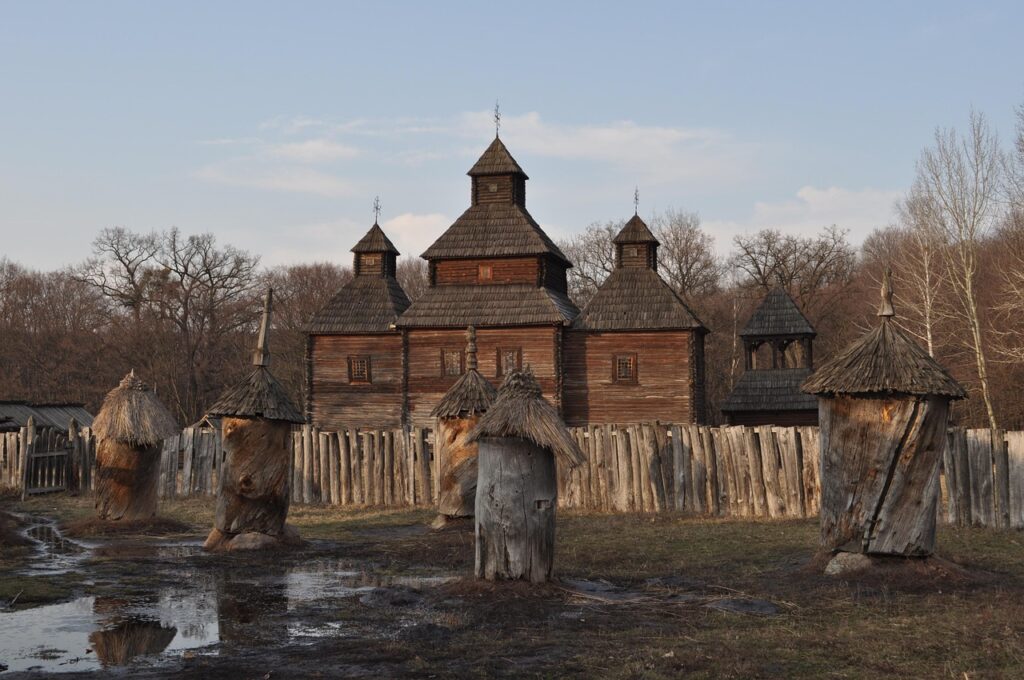
MNAC occupies a symbolic place in Bucharest’s cultural scene: housed within the massive Palace of the Parliament, it presents a selection of Romanian and international contemporary art. The displays are deliberately open, alternating installations, video, sculpture and painting. The contrast between the monumentality of the Palace and the creative freedom of contemporary art creates a stimulating tension: many works question recent history and collective memory.
Other specialist and quirky venues worth exploring include the George Enescu Museum (Muzeul Național « George Enescu ») — dedicated to the composer and located at Strada George Enescu 1-3 (or Calea Victoriei 141 according to some sources) — which displays manuscripts, instruments and personal items; and the Cotroceni National Museum (Muzeul Cotroceni), housed in Cotroceni Palace at Strada General Constantin Budișteanu 1, with general admission often around €5–€7. Many small thematic museums (wine museums, craft museums, private galleries) dot the city and reward curious visitors with surprising finds.
Local tips: for MNAC, check whether access to the Palace requires extra reservation; parts of the building can be closed. Contemporary exhibitions often need a more active reading — take advantage of labels and mediation services offered by the museum to better understand the works’ themes. For a themed day, pair MNAC with a stroll down Unirii Avenue and a guided tour of the Palace of the Parliament (booking essential for the latter).
Practical tips for planning your museum circuit in Bucharest
Planning your visits helps you get the most out of Bucharest’s museum scene. Here are practical, local tips to design an efficient route:
- Combined tickets and passes: some museums offer combined tickets or discounts for students and seniors. Check online — for two nearby museums (Art and History), a combo ticket can be economical.
- Best time slots: avoid late afternoons on weekends at the most popular museums; mornings (10:00–12:00) and late afternoons on weekdays are usually quieter.
- Transport: the historic centre and Calea Victoriei are walkable if you’re staying centrally. Otherwise, trams and the metro (Piața Unirii, Piața Victoriei stations) serve most sites. For the Village Museum and Antipa, take a taxi or bus to Herăstrău Park.
- Guided tours: for history museums and large collections, a guided tour in English (usually 1–2 hours, €10–€20 depending on group size) provides useful context and sometimes privileged access.
- Photography: check photo policies before you shoot — some spaces prohibit flash or any photography to protect the collections.
- Comfort: wear comfortable shoes and bring a lightweight layer — the Village Museum involves long outdoor walks, while the Palace of the Parliament requires walking through vast interior spaces.
- Food & drink: several museums have cafes or bookshops (Art Museum, Antipa). For local options, explore cafes around Piața Romană and Calea Victoriei after your visit.
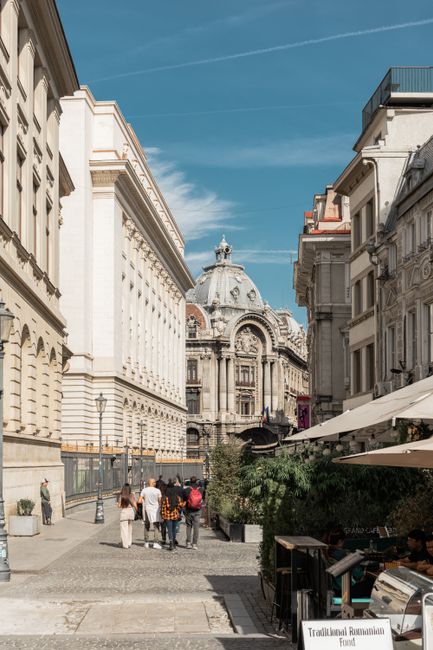
Conclusion: why these museums deserve your time — between heritage and contemporary discoveries
Bucharest’s themed museums provide an outstanding panorama of Romanian culture from multiple angles: artistic heritage, historical memory, natural science, folk traditions and contemporary creation. Each venue tells a particular story — sometimes national, sometimes intimate — and together they form a complex, stimulating portrait of the city and country. The Muzeul Național de Artă al României and the National Museum of Romanian History help you grasp the broad strokes of cultural and historical identity; the Grigore Antipa Museum sparks scientific curiosity; the Village Museum and the Museum of the Romanian Peasant restore a human, material dimension to rural traditions; and MNAC plus the smaller specialist museums showcase contemporary artistic vitality and diverse museological approaches.
Visiting these museums is more than just « seeing objects »: it’s a way of entering into dialogue with eras, crafts and imaginations. A guided tour, attention to exhibition design details or a pause in a museum café can turn a simple outing into a memorable experience. For a first trip to Bucharest, I suggest combining an art museum and a history museum in the same half-day, then dedicating a morning to the Village Museum and an afternoon to Antipa or MNAC depending on your interests.
Finally, stay flexible: temporary exhibitions and cultural events often bring surprises worth fitting into your schedule. The prices listed are reliable estimates but subject to change; checking official sites before you go will save unwelcome surprises. In short, Bucharest hides treasures for those who take the time to look — and its museums are prime places to understand, feel and be amazed.