





Introduction — Why this guide to choosing cheap accommodation in Bucharest
Bucharest, Romania’s lively capital, draws travelers every year for its culture, nightlife and affordable prices. Finding cheap accommodation here doesn’t mean sacrificing comfort or location — it’s about matching your search to your priorities (transport links, safety, neighborhood vibe, amenities). This comprehensive guide will help you narrow down budget options — hostels, budget hotels, short-term rental apartments and student residences — by giving concrete addresses, price ranges in euros, usual check-in/check-out times and local tips to make the most of your stay without overspending.
Bucharest is a big city where neighborhoods feel very different from each other. The Old Town (Centrul Vechi) is great for nightlife but can be noisy; Piata Unirii is central and well connected but some places are pricier; Gara de Nord is ideal for train arrivals and ultra-budget travelers; Lipscani offers charm and cobbled lanes; the Victoriei/Universitate area attracts museum and architecture lovers. Understanding these differences can save you a substantial amount (often 10–30%) just by picking the right area.
We’ll cover: how to evaluate value for money, which amenities to prioritize (Wi‑Fi, shared kitchen, laundry, security), how to read reviews to avoid pitfalls, and which platforms to favor when booking (Booking.com, Hostelworld, Airbnb, Agoda). You’ll also get concrete recommendations with full place names and exact addresses, indicative prices in euros, and typical check-in/check-out times. Finally, local tips — how to haggle, which weekday is cheapest, and which metro stations to know (Piata Unirii, Piata Victoriei, Gara de Nord) — will help you save while enjoying Bucharest to the fullest.
Whether you’re a backpacker, a budget business traveler, an Erasmus student or a family looking for affordable lodging, this guide gives you a step-by-step method to spot and book the best-fit accommodation. We include practical recommendations for each accommodation type, cleanliness and safety tips, and an easy comparison of booking in advance versus trying your luck on arrival.
1) Understand the neighborhoods: where to look depending on your needs
Your neighborhood choice is the first key to finding cheap accommodation in Bucharest. Here’s a practical rundown of the main areas, their pros and cons, and what they typically cost in 2026.
Gara de Nord (North Railway Station) — arrivals and ultra-budget
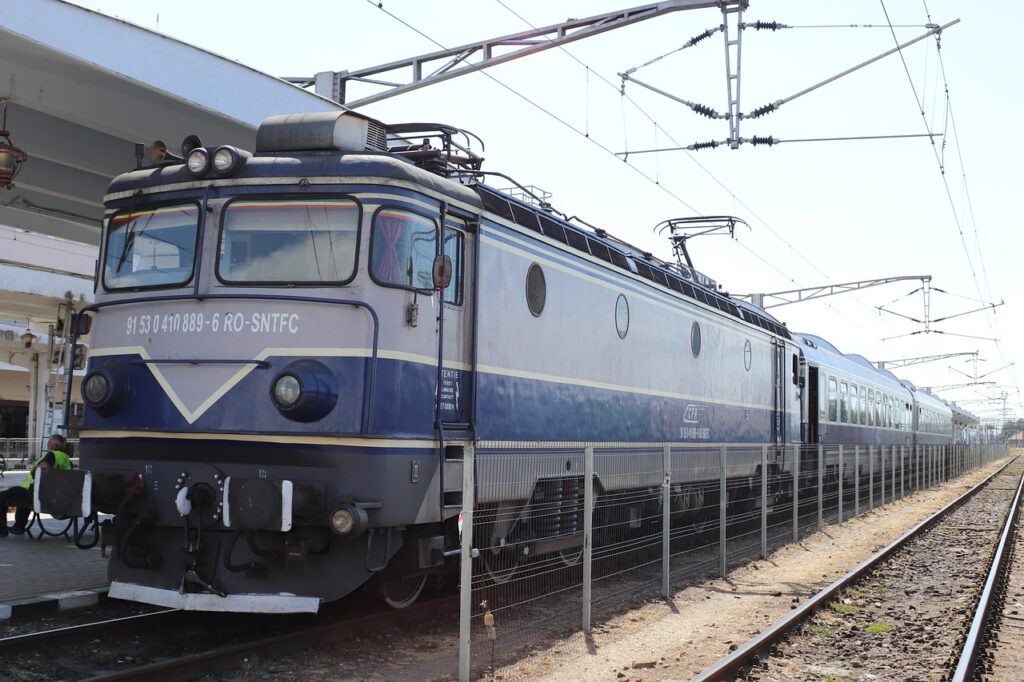
Gara de Nord (Piaţa Gării de Nord, București 010066) is the main train station. The surroundings host many hostels and budget hotels, often priced low for rail travelers. Pros: easy transport links (Gara de Nord metro station, M1/M4 lines), direct connections to the airport via bus/transfers, and low prices. Cons: train noise and less picturesque streets at night.
Indicative prices: dorm beds in hostels €8–15/night, basic private rooms €25–40. Practical times: most hostels allow check-in from 14:00 to 23:00; some accept late arrivals by prior arrangement.
Piata Unirii and Centrul Vechi — central, convenient, mixed pricing
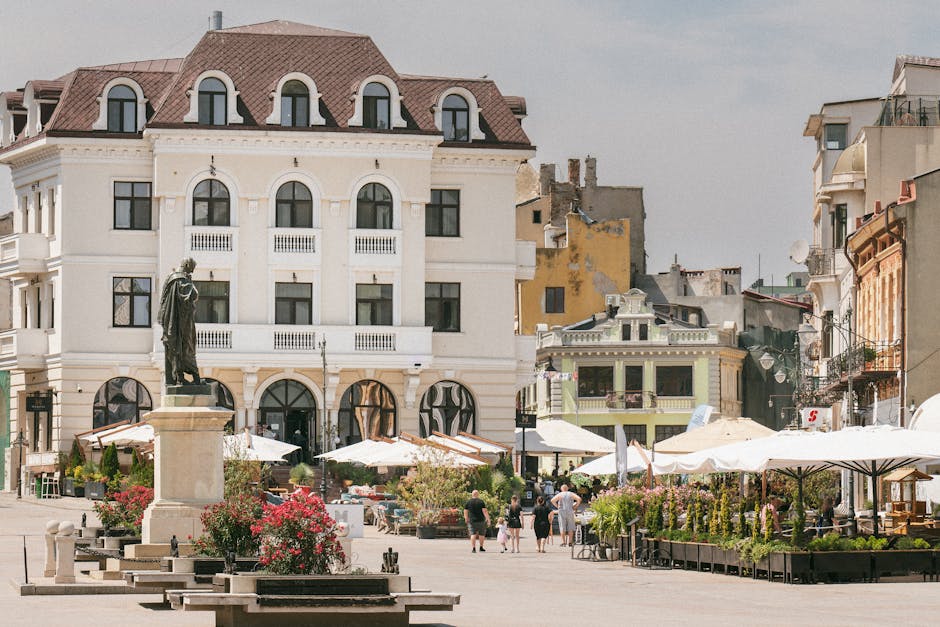
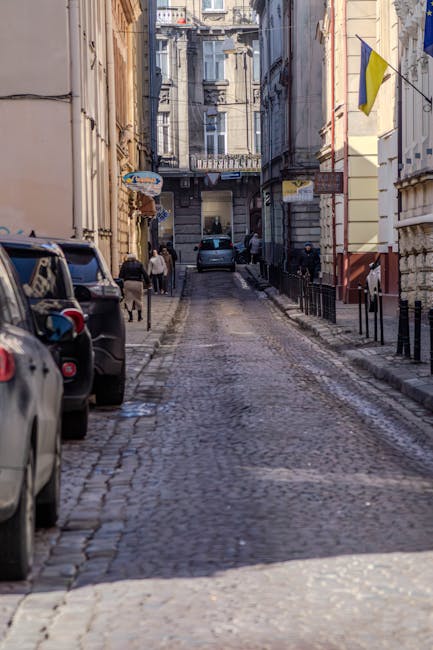
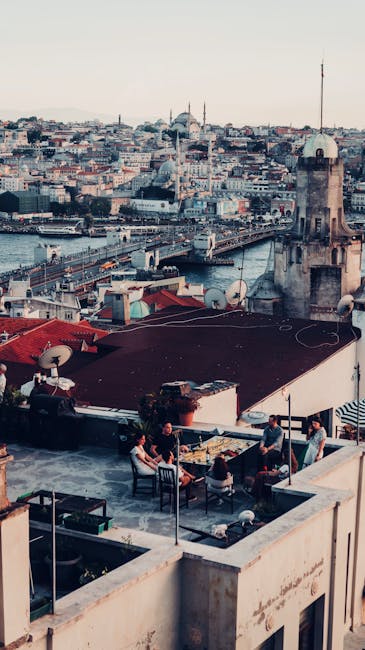
Piata Unirii (Bulevardul Unirii) and the adjacent Old Town (Centrul Vechi, strada Lipscani) are central and highly sought-after. Close to the Piata Unirii metro lines (M1/M2/M3), you’re within a 10–20 minute walk of most sights. Pros: cultural life, restaurants, bars. Cons: prices can be higher, and nighttime noise is common.
Indicative prices: dorm beds €12–20, private rooms €35–70. Times: budget hotel receptions often operate 24/7; for Airbnb apartments, arrival times are set by the host (generally 15:00–22:00).
Universitate / Piata Victoriei — calm and museums
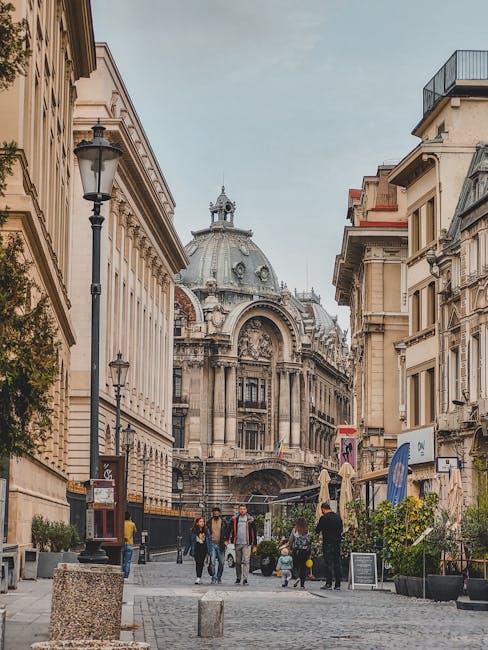
The intellectual and administrative zone around Universitate (Piaţa Universității) and Piata Victoriei offers a good balance between accessibility and quiet. Close to the National Art Museum (Calea Victoriei 49–53), Cișmigiu Park (entrance from str. Știrbei Vodă), and major institutions. Ideal for culture-focused stays.
Indicative prices: budget private rooms €30–60, Airbnb studios €35–80. Timings: museums typically open 10:00–18:00; buses and metro run roughly 05:00–00:00.
Militari, Drumul Taberei — very economical options for longer stays
These residential outskirts (Sector 6) are perfect for longer low-cost stays: very affordable rents, furnished apartments available and public transport (M5 metro, buses). Trade-off: 20–30 minutes by metro to the center.
Indicative prices: furnished studios €20–40/night (short-term rental), apartments €400–600/month for a studio on a monthly lease. Hours: local shops usually open 08:00–20:00 on weekdays.
2) Types of budget accommodation and how to evaluate them
Understanding the differences between hostels, budget hotels, private homestays and short-term rental apartments will help you choose based on your priorities. Here’s how to evaluate each option with concrete criteria.
Hostels
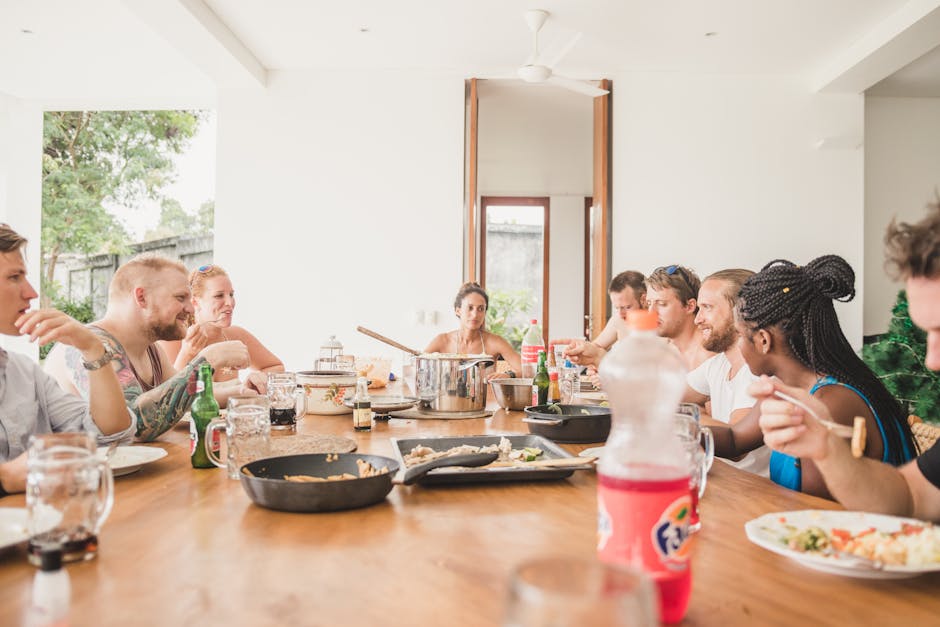
Features: mixed dorms or female-only dorms, basic private rooms, shared kitchens, social spaces. Pros: very low prices (€8–20/night), great for meeting other travelers, shared amenities (kitchen, luggage storage, laundry). Risks: noise, lack of privacy, variable cleanliness.
Evaluation tips: read recent reviews (under 6 months) to check cleanliness and security (locks, lockers). Verify reception hours (24/7 if you arrive late) and luggage storage policy. Check whether discounts or weekly rates are offered for longer stays.
Budget hotels
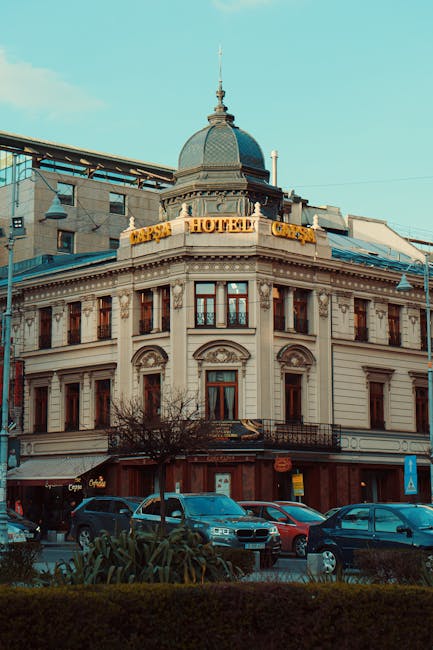
Features: private rooms, often with breakfast included, reception desk, sometimes an elevator. Pros: more comfort and quiet than hostels, more reliable bookings via Booking.com. Price: €30–60/night for a 2–3 star hotel in central areas. Check: local tourist tax (sometimes extra), cancellation policy, presence of an elevator (important with heavy luggage).
Concrete example: Ibis Bucharest Palatul Parlamentului, Strada Izvor 82–84, Sector 5, București (a chain budget hotel). Indicative price: €45–70/night for a standard double room. Times: check-in 14:00, check-out 12:00; reception 24/7. Service: breakfast buffet around €8–12 extra.
Apartments and homestays (Airbnb, Booking Home)
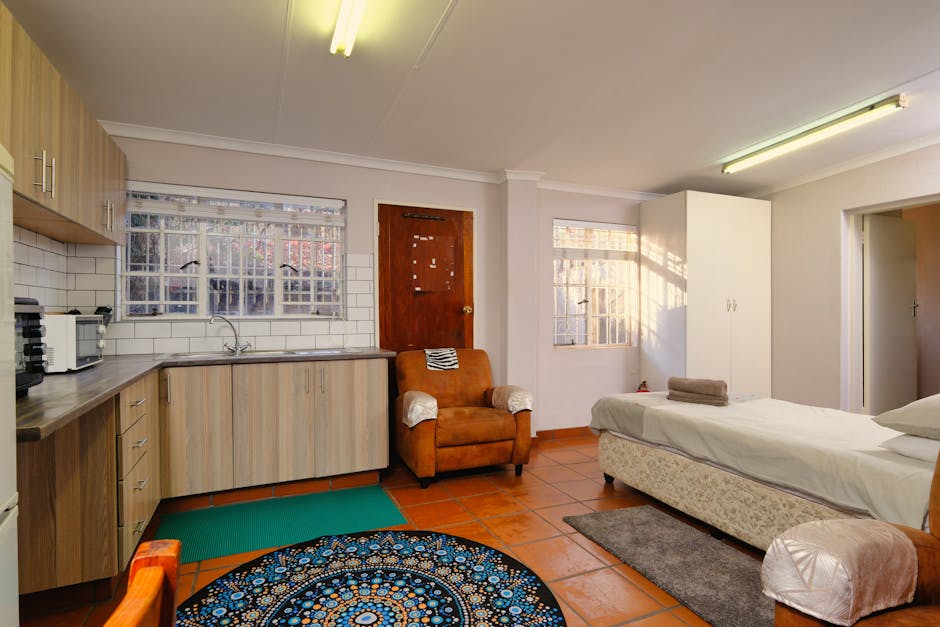
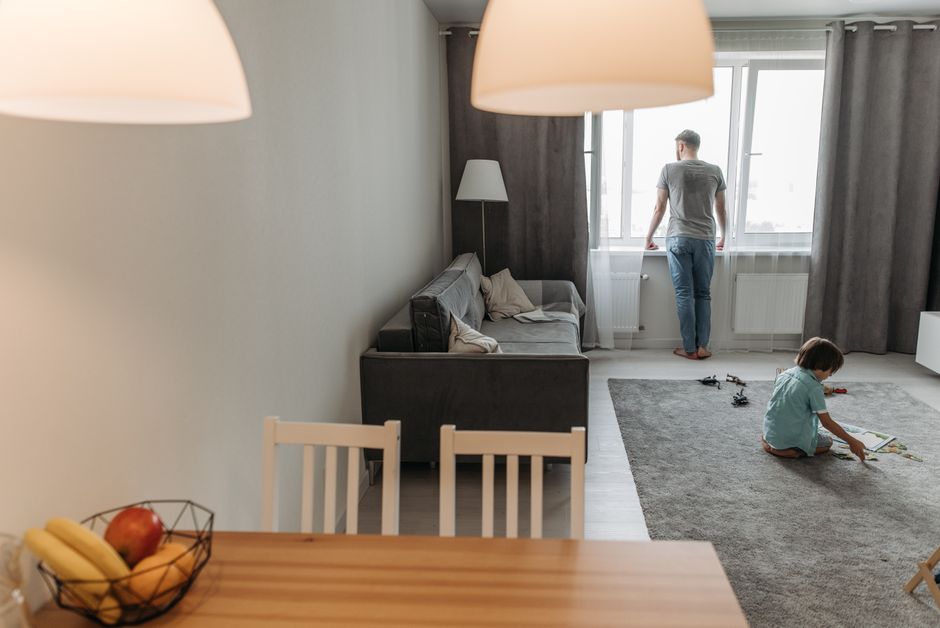
Features: full autonomy, equipped kitchen, ideal for families or longer stays. Price: studios €25–60/night depending on neighborhood; monthly options often cheaper (€400–700/month for a furnished studio). Check: Airbnb cleaning fees, arrival rules, and host identity verification.
Tips: favor listings with at least 20 positive reviews and clear photos. Always ask for the exact address before booking and verify walking distance to a metro station (Piata Unirii, Universitate, Gara de Nord).
3) Platforms, booking and best times to save
Knowing where and when to book significantly impacts cost. Some platforms offer promotions, flexible cancellations, or discounts for early or last-minute bookings. Here’s a concrete action plan.
Recommended platforms
- Booking.com — Wide choice of hotels and apartments, often free cancellation. Ideal for budget hotels in central areas.
- Hostelworld — Specialized for hostels, powerful filters (dorm types, female-only, safety features).
- Airbnb — Good for studios and longer stays; watch service and cleaning fees.
- Agoda, Expedia — Can sometimes offer competitive rates on budget hotels.
Practical tips: always compare the total price (taxes + fees); read cancellation terms; check card pre-authorization policies.

Best times to pay less
High season: May to September (festivals, tourism), prices can rise 10–40%. Low season: November to March (excluding holidays), many offers at -20% or more. Booking 2–6 weeks ahead is often enough for good rates; for weekends (Fri–Sun) book earlier if you want to stay in the center.
Last-minute tips: hostels and small hotels may offer discounts a few days before arrival if occupancy is low — contact them directly by email or phone. For stays longer than 7 nights, negotiate a weekly rate in person or via message to the host.

4) Essential amenities to prioritize by travel profile
Your traveler profile determines which amenities are non-negotiable. Here’s a prioritized list by traveler type and how to verify these points when booking.
Backpackers and social travelers
- Free, fast Wi‑Fi (check speed mention or reviews)
- Secure locker (check locker size and whether you need to bring a padlock)
- Well-equipped shared kitchen to cut meal costs (oven, stove, fridge)
- Common areas to meet others (lounge, rooftop)
Practical reminder: bring an EU/RO adapter (Romania uses standard European plugs).
Business travelers or couples
- Double room with soundproofing
- Late check-in possible and 24/7 reception
- Close to metro (Piata Victoriei, Piata Unirii) for quick commutes
- Breakfast included or a café nearby (average coffee price: €1.50–3)
Check exact breakfast hours (often 07:00–10:00) and whether there’s laundry/pressing for longer stays.

Families
- Family rooms or apartments with a kitchen
- Close to parks (Cișmigiu Park, Strada Știrbei Vodă) for kids
- Baby equipment on request (cot, high chair)
Check the child policy (often free up to 2 years) and extra bedding fees.
5) Practical local tips: how to save on the spot and stay worry-free
Once you’re there, a few local habits will cut costs and keep your stay smooth. Here are concrete tips, with addresses and hours where relevant.
Transport and getting around
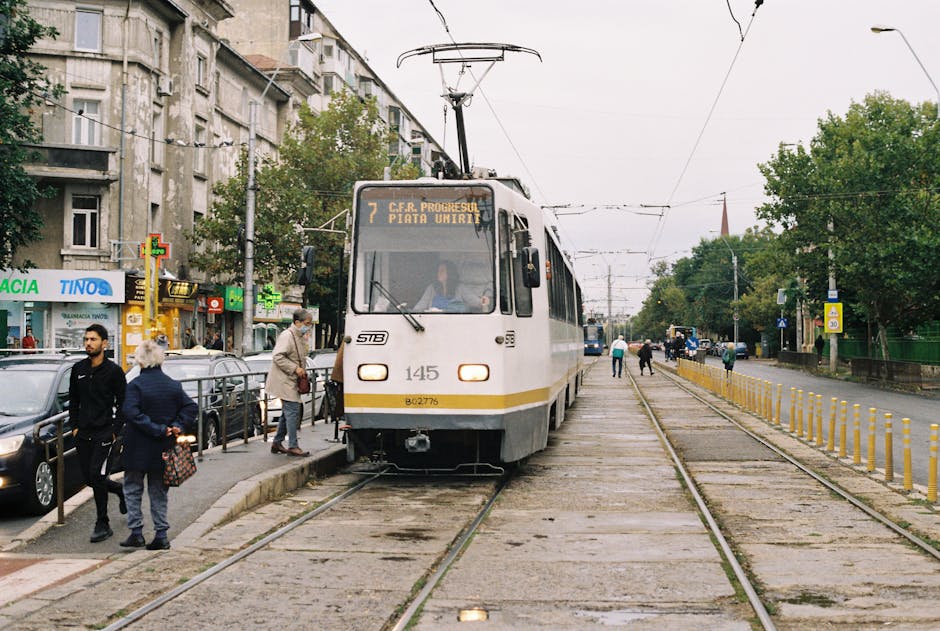
Public transport includes metro, trams, buses and trolleybuses. A single metro/tram ticket costs around €0.50–0.70 (4–6 RON); a rechargeable card (RATB/Metrorex) is handy for multi-day stays. Hours: metro roughly 05:00–23:30 (depending on the line), buses/trams 05:00–24:00; a few night lines exist.
Money-saving tip: choose accommodation within a 10-minute walk of a metro station (Piata Unirii, Universitate, Gara de Nord) to avoid taxi costs and save travel time.
Cheap eats
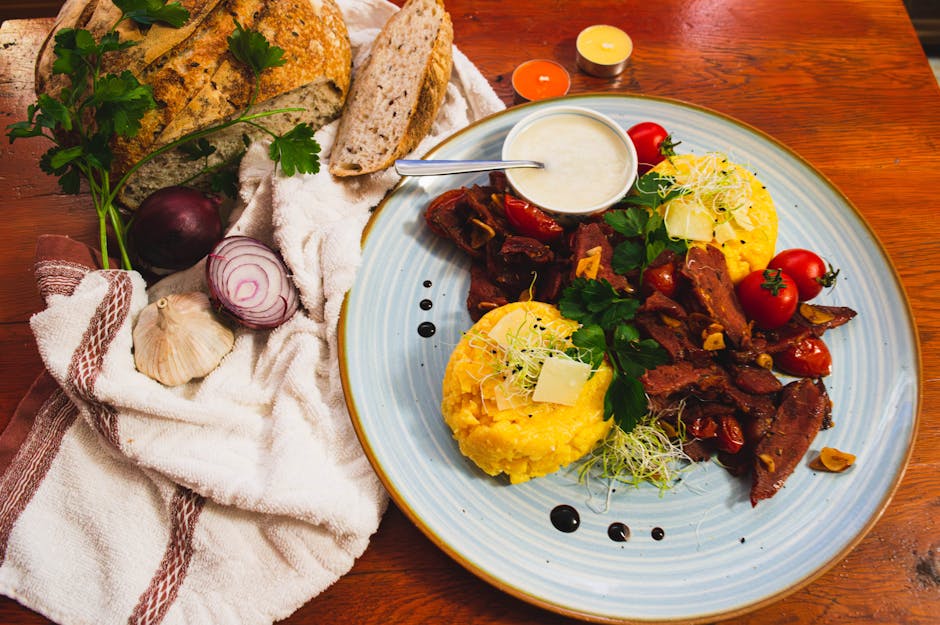
To save on food, eat at local bistros and canteens (românești). Example: « Caru’ cu Bere », Strada Stavropoleos 5, București 030081 — touristy but serves traditional dishes; expect €10–15 per person for a full meal. For very cheap options, look for a « cantină » or « meniu zilei » (daily menu) in side streets: about €3–6.
Safety and local behavior
Bucharest is generally safe, but like any big city, watch your belongings in tourist spots (Piata Unirii, Old Town). Avoid flashing large amounts of cash at night. For emergencies in Romania dial: 112 (ambulance, police, fire brigade).
Useful service: official exchange offices, banks and ATMs are widespread; avoid street money changers. Most small shops accept cards, but carry cash for markets and canteens.
Conclusion — Summing up the choice: a step-by-step method to book smart
In short, choosing cheap accommodation in Bucharest comes down to a simple, structured method: first define your priorities (location, independence, sociability), pick the right neighborhood (Gara de Nord for tight budgets, Piata Unirii for centrality, Universitate for cultural quiet), compare accommodation types (hostel, budget hotel, apartment) based on recent reviews and essential amenities, then book through the most suitable platform while checking hidden fees and cancellation policies.
Some concrete reminders: favor lodgings near a metro station (Piata Unirii, Victoriei, Gara de Nord) to reduce transport costs; negotiate for stays longer than a week; travel off high season for better deals; check for a kitchen if you want to cut food expenses. For hostels, ask about lockers and 24/7 reception if you arrive late. For apartments, request the exact address and walking distance to the metro before confirming.
Finally, flexibility and research are your best tools: compare multiple platforms, contact the property directly for a better rate, and read reviews carefully to save money without giving up comfort. By following the guidance in this guide — neighborhoods, accommodation types, priority amenities, platforms and local tips — you’ll be able to find budget-friendly, safe and suitable lodging that fits your travel style in Bucharest.