





Introduction — Cultural Panorama: History, Art and Museums to Explore in Bucharest
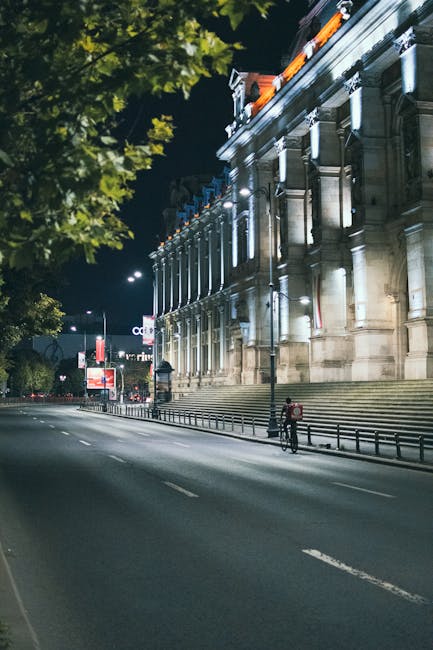
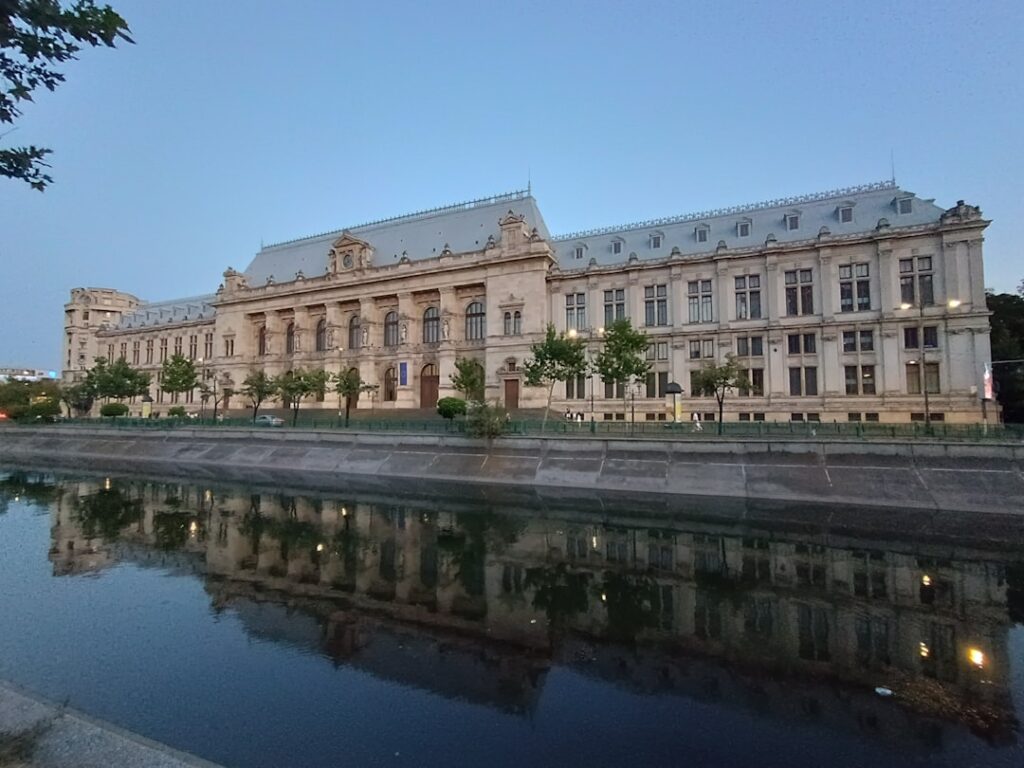
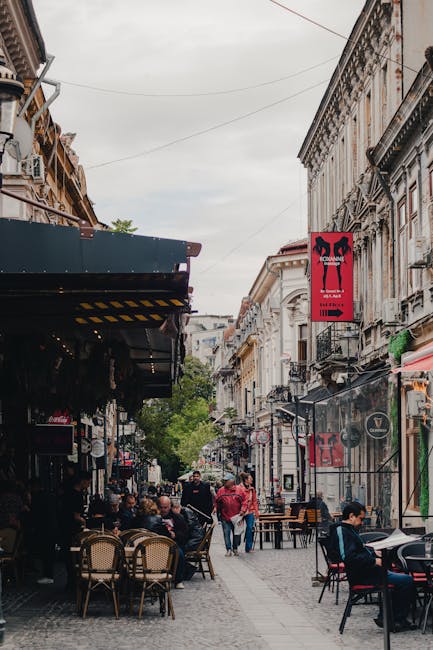
Bucharest, Romania’s lively capital, is far more than a political and economic hub: it’s a layered cultural landscape where centuries of history, bold modernist ambitions, folk traditions and contemporary experiments overlap. Walking through Bucharest feels like leafing through a living atlas: neoclassical façades, Art Nouveau buildings, medieval traces, large squares hastily reshaped in the 20th century and museums that alternately tell the nation’s story, rural creativity and the artistic tensions of Central and Eastern Europe. This article is a complete guide for curious travelers who want to explore the city’s cultural panorama — from major institutions to intimate collections, with practical tips to make the most of your visits.
We cover the essentials: the Palace of the Parliament (Palatul Parlamentului), the National Museum of Art of Romania (Muzeul Național de Artă al României), the Village Museum (Muzeul Național al Satului « Dimitrie Gusti »), the National Museum of Romanian History (Muzeul Național de Istorie a României), the Museum of the Romanian Peasant (Muzeul Țăranului Român) and the National Museum of Contemporary Art (MNAC), as well as a few secondary addresses and collections that add local depth. Each entry includes an exact address, practical info (opening hours, approximate prices in euros), an immersive description and local tips to get the best out of your visit — from the best time to photograph façades to combined routes to save time.
You’ll find a mix of historical analysis and hands-on advice here: how to book an English-language guided tour, how to get from one museum to another by public transport (metro, tram, bus) or on foot in the historic center, which temporary shows to prioritise, and how to combine monumental heritage with intangible heritage — folklore, crafts and traditional music. We also look at Bucharest’s museum experience itself: variable conservation standards, surprisingly rich folk art and modernist jewelry collections, and how each museum tells a different chapter of Romanian history, from prehistory to contemporary creations.
This guide is aimed at a wide audience: independent travelers, small groups, art history students or the simply curious. Practical information — prices in euros, opening times — is included to help you plan. Note that prices and hours can change: check official sites before you go, especially for temporary exhibitions, fixed-time guided tours or special events (concerts, late openings).
The approach here is immersive: sensory descriptions (the echo of footsteps in the Parliament chamber, the smell of wood in the Village Museum, light on Byzantine icons), photography tips, food recommendations (cafés and small spots around the museums), and practical pointers like the best time to avoid crowds. In short, this guide aims to turn a visit to Bucharest into a rich, structured and memorable cultural route.
The Palace of the Parliament and the National Museum of Contemporary Art (MNAC)
The Palace of the Parliament (Palatul Parlamentului) is Bucharest’s symbolic centerpiece: built during Nicolae Ceaușescu’s regime, it’s one of the largest administrative buildings in the world. Beyond its controversial history, the building has housed the National Museum of Contemporary Art (MNAC) since 2004. A visit to the Palace combines monumental architecture, ceremonial spaces and a deep dive into Romanian and international contemporary art.
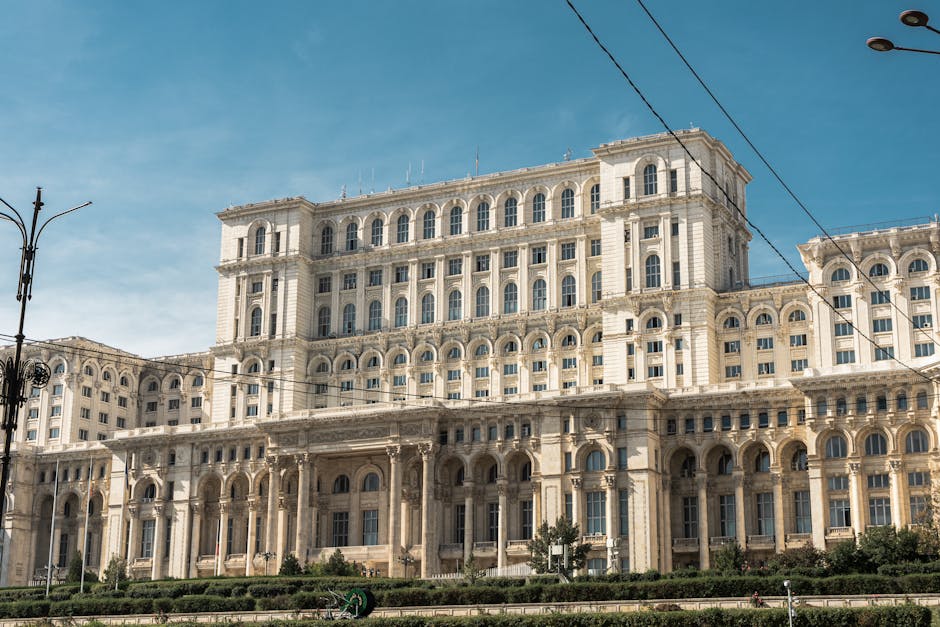
Address: Palatul Parlamentului, Strada Izvor 2-4, Sector 5, București 050563.
Opening hours: Palace guided tours usually run 10:00–16:00 (last entry 15:30), Tuesday–Sunday; closed to public circuits on Mondays. MNAC: 10:00–18:00 Tuesday–Sunday, closed Monday. Check opening times and book in advance for Palace tours as access is limited.
Prices: Standard Palace tour: roughly €8–12 (35–55 RON) per person; rates vary by language and route. MNAC: full-price ticket around €3–6 (15–30 RON). Reduced rates for students, seniors and groups (with ID).
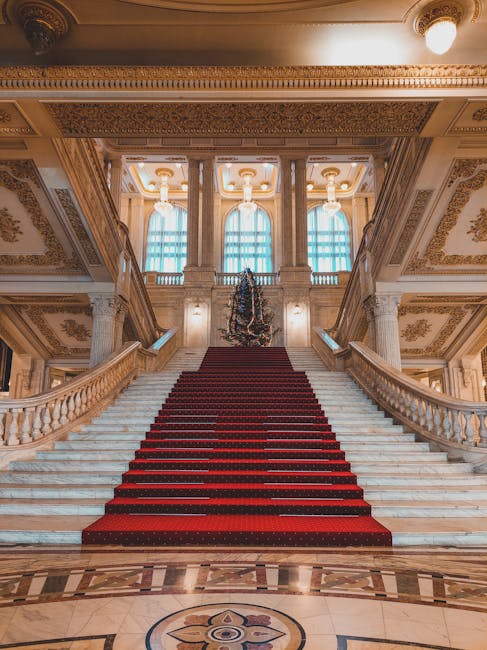
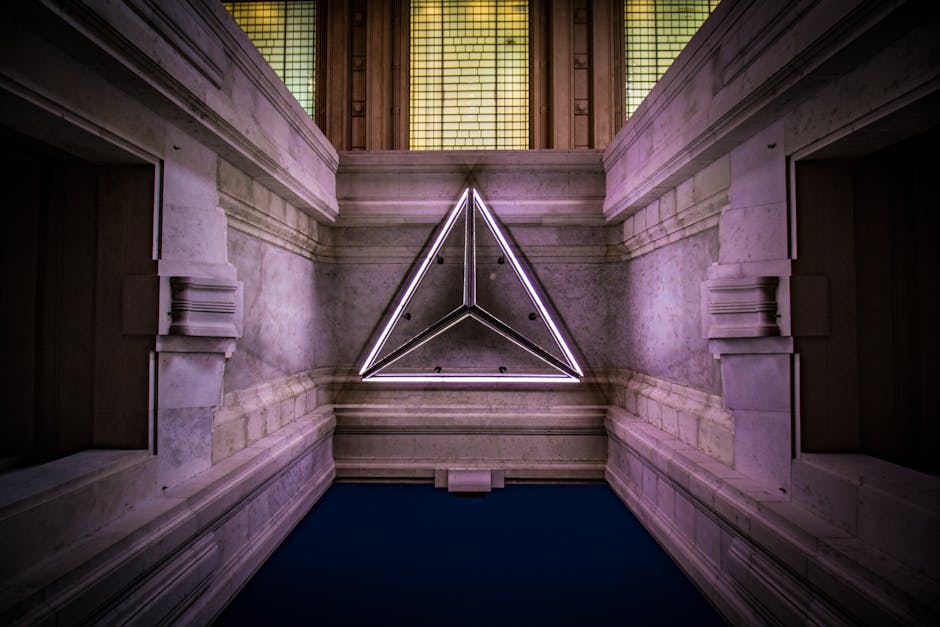
Immersive description: stepping through the doors of the Palace of the Parliament is entering a world of multicoloured marbles, long corridors lined with thick carpets and richly decorated ceilings. The scale is astonishing: monumental halls, double-flight staircases, meeting rooms with vertiginous volumes. The contrast between the colossal architecture and the contemporary works at MNAC is striking — modern sculptures, video installations and paintings that engage in a surprisingly lively dialogue with the historic setting. MNAC frequently hosts thematic temporary exhibitions (contemporary photography, post-socialist conceptual art) and maintains a permanent collection covering the Romanian scene from the 1960s to today.
- Practical tips: Book the Palace tour in advance, especially in high season. Bring ID for security checks; large bags are not permitted without inspection. Photos are usually allowed in some areas but not all — confirm with the guide.
- Getting there: Metro: Izvor station (Lines M1/M3), then a short walk via Str. Izvor. Taxis/Uber are widespread and affordable from the city centre.
- Photo tip: For dramatic exterior shots, position yourself at Unirii Square early in the morning or late afternoon for low-angle light on the façade. Inside, focus on filtered light and marble details.
National Museum of Art of Romania and the Royal Palace
The Muzeul Național de Artă al României (National Museum of Art of Romania) is housed in the former Royal Palace on the famous Calea Victoriei, right in the city centre. Its collection spans Romanian, European and Byzantine art, with a strong religious-art section, European masters and rooms dedicated to contemporary art. This museum is essential to understanding Romania’s artistic development — from medieval icons to 19th-century painters and modern movements.
Address: Muzeul Național de Artă al României, Calea Victoriei 49-53 (Palatul Regal), București 010063.
Opening hours: Tuesday–Sunday 10:00–18:00; closed Monday. Occasional late openings on Fridays or for special events — check the official website.
Prices: General admission around €5–8 (25–40 RON). Reduced tickets for students and seniors around €2–4 (10–20 RON). Temporary exhibitions may have a separate ticket of €3–10 depending on the event.
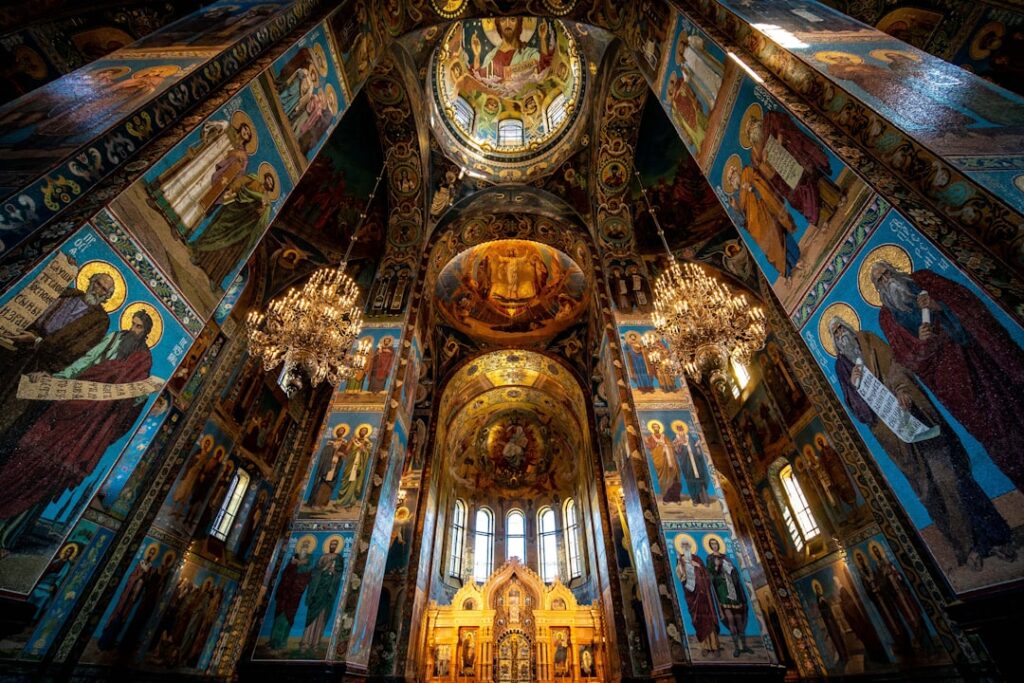
Immersive description: from the moment you enter, the Royal Palace’s grandeur sets the tone: wrought-iron staircases, high ceilings and solemn rooms. The religious art section houses Byzantine and post-Byzantine icons, with gold leaf, painted panels and liturgical embroideries — works rooted in spiritual practice. The European art rooms include pieces by Western masters acquired or donated to the museum, while the Romanian section traces the 19th-century national awakening, the role of academies and the rise of modernist currents. Some rooms are arranged chronologically, others thematically — a logical route for both newcomers and specialists.
- Practical tips: Allow at least 2–3 hours for a full visit. If you’re particularly interested in icons, ask the front desk for the rooms dedicated to religious art and for English-language labels. For popular temporary exhibitions, buying tickets online often avoids queues.
- Access: Metro: Universitate station (Line M2), just steps from the building. Calea Victoriei is also a great street for a post-visit stroll: cafés, bookshops and historic buildings to discover.
- Smart combo: Pair this visit with the National Museum of History (Calea Victoriei 12) for a complementary history-and-art half-day — both are close by.
Village Museum « Dimitrie Gusti » and the Museum of the Romanian Peasant
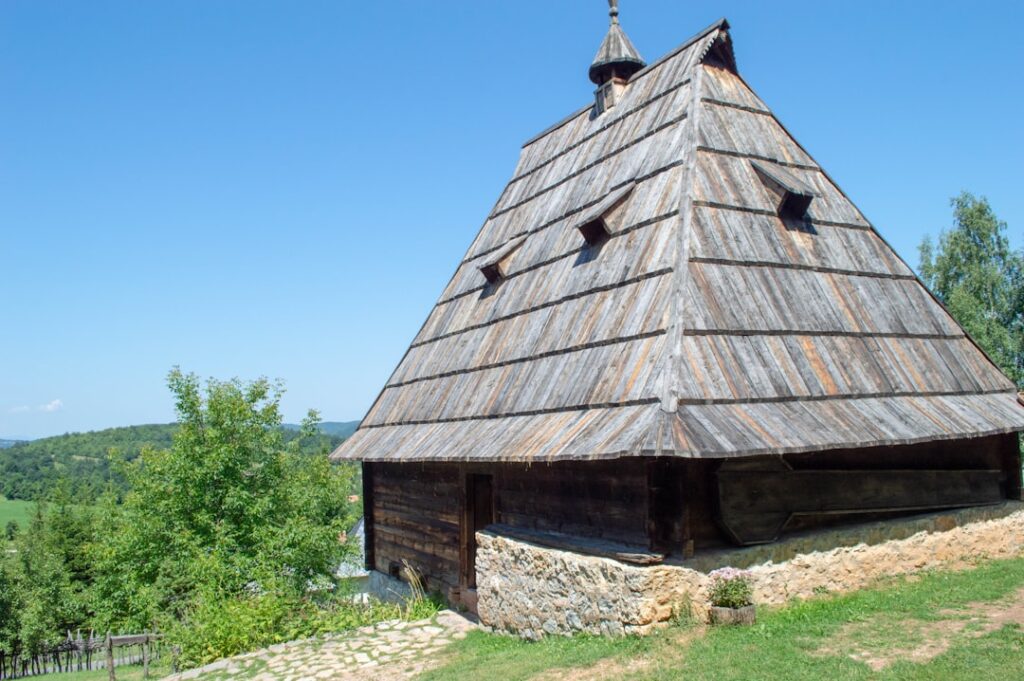
For an immersion in rural Romania, two stops are indispensable: the Muzeul Național al Satului « Dimitrie Gusti » (Village Museum) and the Muzeul Țăranului Român (Museum of the Romanian Peasant). The first is an open-air museum reproducing traditional dwellings from across the country; the second is a museum collection devoted to folk arts, costumes, ritual objects and crafts. Together they provide a rounded view of the material and intangible heritage of Romania’s peasant world, which has deeply shaped national culture.
Address Muzeul Național al Satului « Dimitrie Gusti »: Șoseaua Pavel Dimitrievici Kiseleff 28-30, Sector 1, București 011347.
Opening hours: Tuesday–Sunday 10:00–18:00; closed Monday. Longer summer hours possible.
Prices: General admission around €4–6 (20–30 RON). Reduced rate (students, seniors) around €2–3 (10–15 RON). Guided tours available by reservation (extra fee).
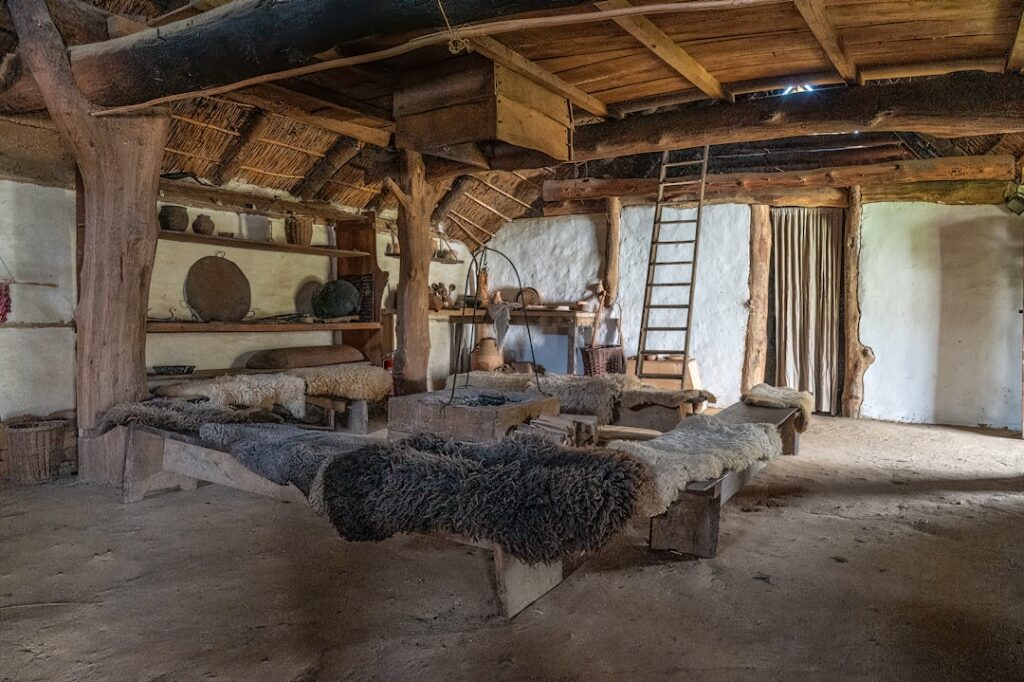
Immersive description: the Village Museum is best explored slowly. Gravel paths wind between wooden churches, peasant houses, windmills and regionally aligned barns. Each building is reconstructed with its original furnishings: a cast-iron or clay stove, woven textiles, wooden utensils, domestic icons and agricultural tools. The outdoor setting captures rural spirit: the scent of wood, birdsong and the feel of a village frozen in time. Natural light and quiet give the visit a contemplative quality.
Address Muzeul Țăranului Român: Șoseaua Kiseleff 3 (near Kiseleff Park), Sector 1, București 011347.
Opening hours: Tuesday–Sunday 10:00–18:00; closed Monday.
Prices: General admission around €3–5 (15–25 RON). Some temporary exhibitions may carry an extra fee.
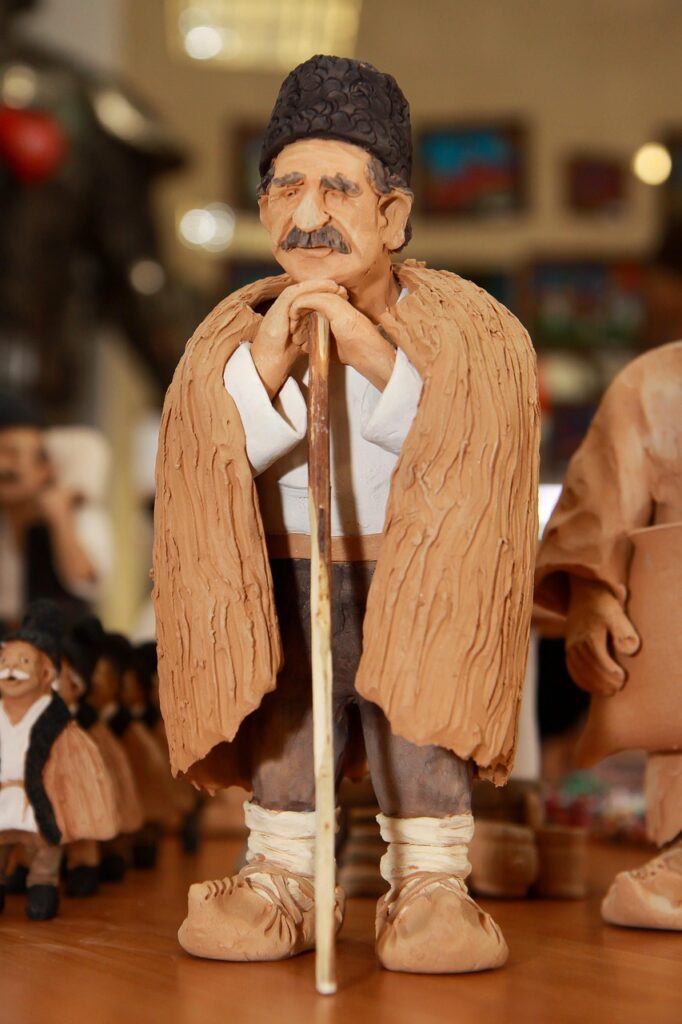
Immersive description: housed in an elegant urban building, the Museum of the Romanian Peasant presents a rich collection of embroidered textiles, festive costumes, traditional jewelry, utensils and ritual tools. The route emphasises life cycles — births, weddings, funerals — and the role of ritual in community life. Display cases combine intricate details (embroidery, beads, symbols) with well-researched labels. It’s an ideal place to understand the symbolism of folk motifs and the regional diversity of traditions.
- Practical tips: Combine both museums in the same half-day — start at the Village Museum (outdoors) in the morning to enjoy the best light, then head back into town to the Peasant Museum to delve into the objects. In summer, bring water and a hat for the outdoor visit.
- Getting there: Both museums lie near Kiseleff Avenue — multiple bus and tram lines serve the area; the nearest metro station is Aviatorilor (Line M2), then a 10–15 minute walk or a direct tram.
- Cultural tip: Look out for craft demonstrations (weaving, pottery) that are sometimes organised; they’re great opportunities to buy authentic pieces made by local artisans.
National Museum of Romanian History and a historical route through the city centre
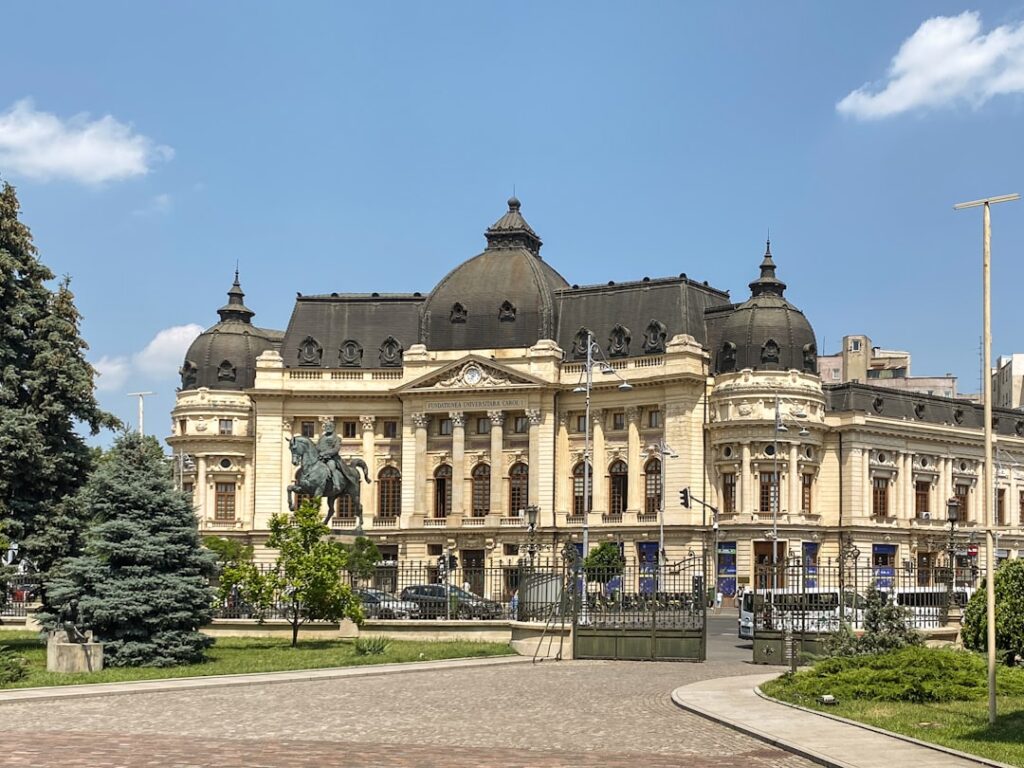
The Muzeul Național de Istorie a României (National Museum of Romanian History) is located in the historic centre and offers a chronological panorama of human presence on Romanian territory: from ancient treasures (including notable Roman-era pieces) to the modern and contemporary eras. This museum is essential for putting the monuments and collections you’ll see around the city into historical context.
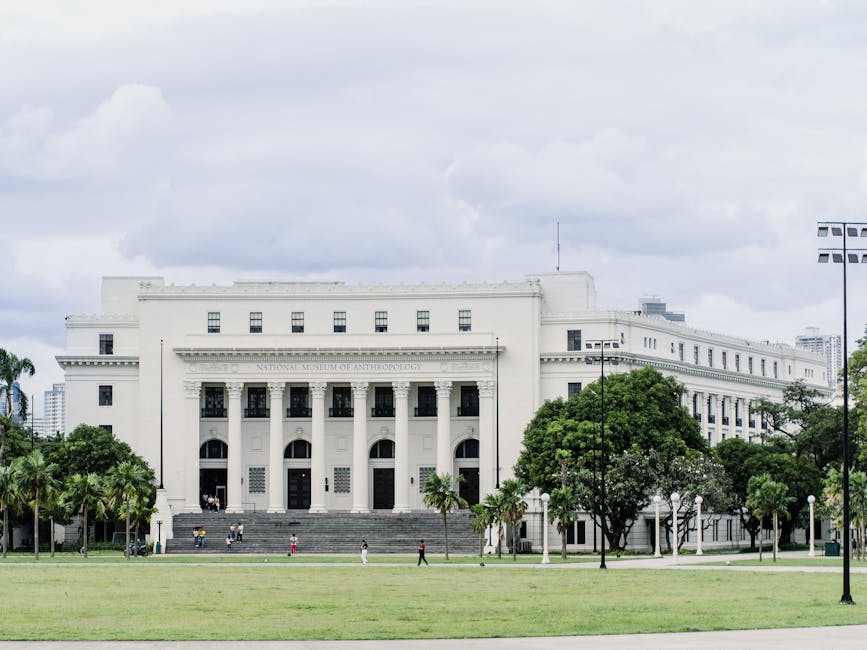
Address: Muzeul Național de Istorie a României, Calea Victoriei 12, București 030026.
Opening hours: Tuesday–Sunday 10:00–18:00; closed Monday. Some public holidays may affect opening times.
Prices: General admission around €2–4 (10–20 RON). Special exhibitions may add an extra fee (€3–8).
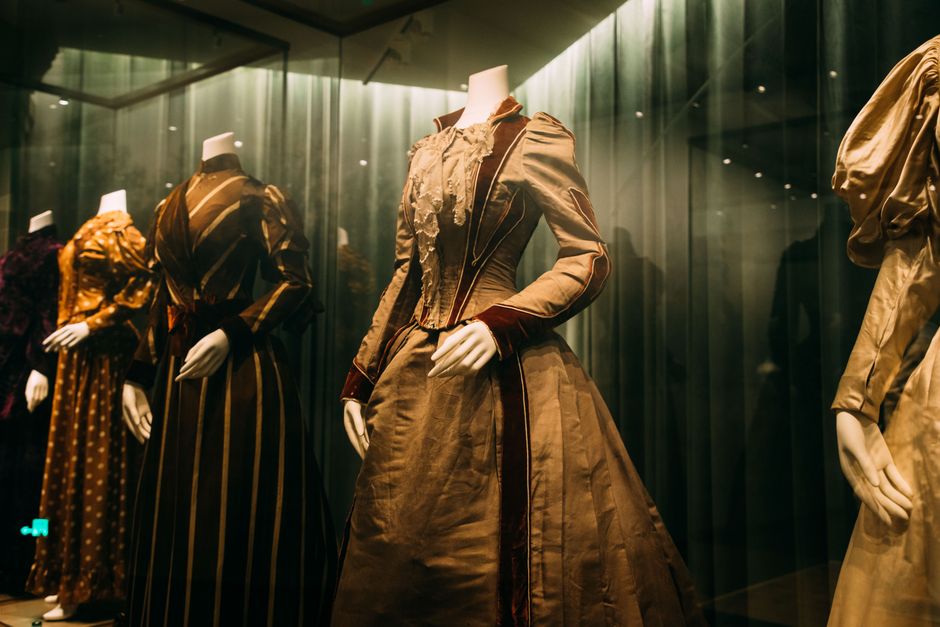
Immersive description: the journey begins with the antiquities collection: mosaics, coins, jewelry and architectural fragments. Among the standout items is a reconstruction of Dacian and Roman-era objects that testify to the trade and conflicts in this territory. Modern rooms cover the medieval period, the era of the principalities and the nineteenth-century nation-building process, with documents, uniforms and official portraits. The route also addresses the years of the monarchy and the communist period with archival documents, propaganda posters and everyday objects.
- Practical tips: History buffs should allow 2–3 hours. Ask for English-language visitor guides and look for panels on the communist era — they’re very informative for understanding the context of the Palace of the Parliament and Bucharest’s urban transformations.
- Access: Located on Calea Victoriei, reachable from Universitate metro station (Line M2) or on foot from the Old Town (Lipscani). The route is dotted with cafés and historic bookshops.
- Suggested itinerary: After the museum, continue along Calea Victoriei toward the National Museum of Art (Royal Palace) for a themed history-and-art half-day.
Secondary museums and galleries: intimate experiences and modern art
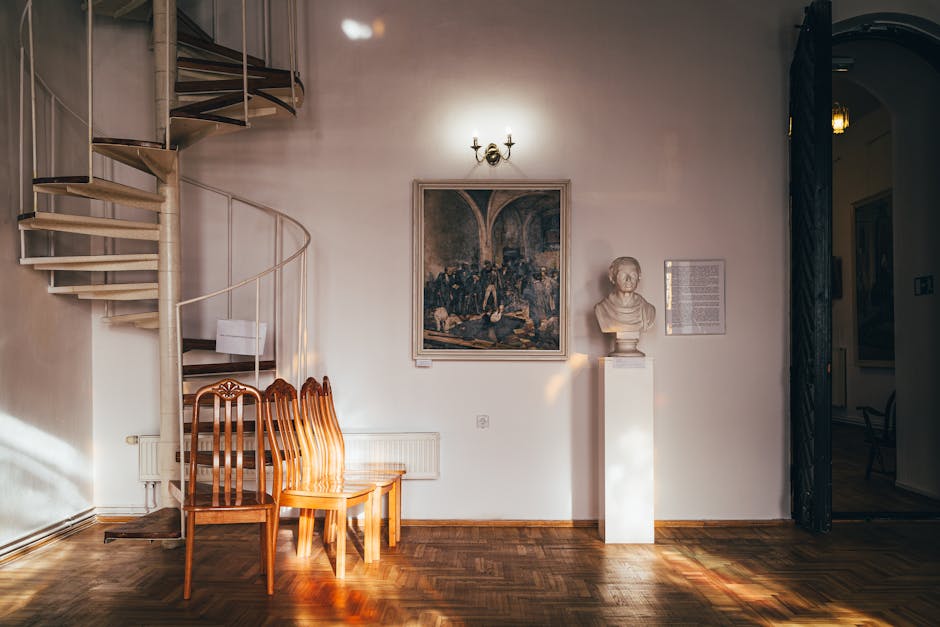
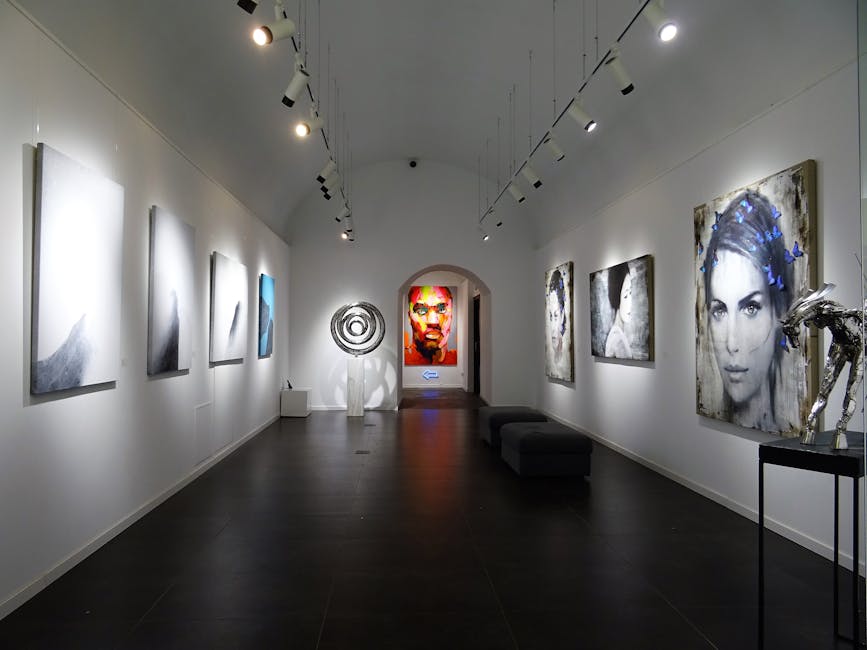
Beyond the major institutions, Bucharest hosts a constellation of smaller museums and galleries worth visiting: the Theodor Pallady Museum (modern and period collections), the National Gallery of Contemporary Art (small exhibition spaces) and private foundations (such as Pro Patrimonio or the Horia Bernea Foundation when they stage shows). These places often present highly focused temporary exhibitions, emerging art projects and artist residencies.
Examples and practical info:
– Muzeul Theodor Pallady (Theodor Pallady Museum) — Address: Strada Spătarului nr. 22, București (check address and opening times online as small museums sometimes have irregular hours). Price: usually €2–4 depending on exhibitions.
– Galeria Națională de Artă Contemporană (small private galleries in Floreasca and Cotroceni) — variable hours, often 11:00–19:00, free entry or €2–5.
– Muzeul de Artă Recentă (Museum of Recent Art, MARe) — Address: Strada Izvor 2-4 (sometimes in temporary spaces); hours and prices may change, expect €4–8.
Immersive description: these smaller venues offer a more intimate atmosphere than the big institutions. They favour discovery: sound installations in a vaulted cellar, small-scale paintings in a flat converted into a gallery, or collaborative projects linking designers and artisans. Direct contact with curators or artists is often possible — don’t hesitate to ask questions: the teams are usually very approachable and happy to discuss local contexts.
- Practical tips: Check local cultural calendars (Time Out Bucharest, gallery listings) to find openings and guided thematic visits. Vernissages are often free and are a great way to connect with the local art scene.
- Access: These venues are often in Cotroceni, Floreasca and the city centre; taxis or trams are easy ways to move between them.
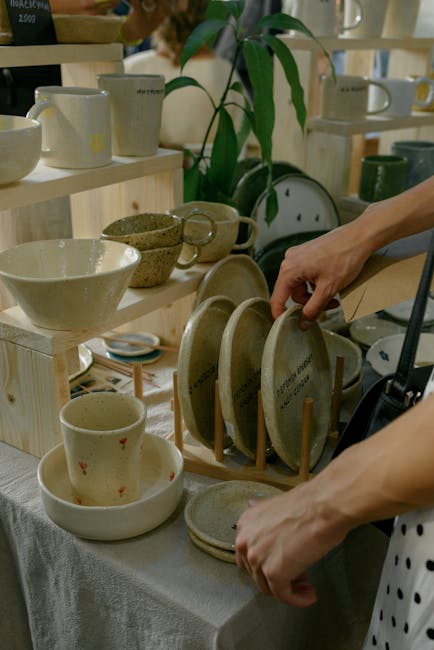
- Local tip: Look for « open studio » events and modern craft markets — perfect for unique souvenirs (contemporary embroidery, designer ceramics, artist-made jewellery).
Conclusion — Planning your cultural route in Bucharest
Bucharest offers a wide, contrasting cultural palette: monumental sites, national museums, open-air museums and intimate galleries. To get the most out of your stay, mix major institutions with lesser-known places. A suggested two- or three-day itinerary could be: a morning at the Palace of the Parliament and MNAC (book ahead), lunch on Calea Victoriei, an afternoon at the National Museum of Art and the National Museum of History, then dedicate the next day to the Village Museum and the Museum of the Romanian Peasant. Add an evening at an opening or a gallery visit to feel the energy of the contemporary scene.
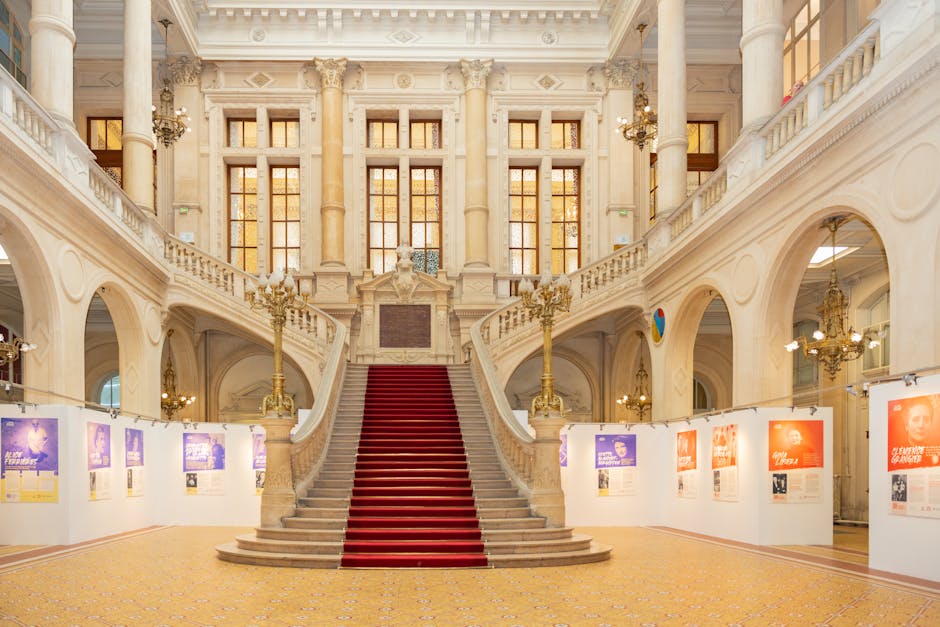
Practical summary: always check opening times (most museums are closed on Mondays), bring ID for security checks, book online when possible to avoid queues, and keep some cash for small purchases (souvenirs, cafés). The prices in this guide are approximate in euros (based on RON rates): €2–12 for most general admissions, with possible extras for temporary exhibitions or specialised guided tours.
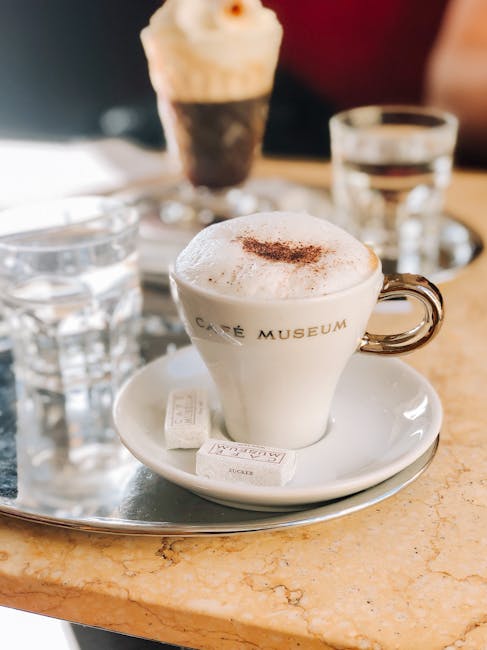
And finally, the best local tip: take your time. Bucharest is best savoured slowly, alternating major sights with corner discoveries: an old bookstore, an artisan workshop, a weekend craft market, a folk-music concert in a small venue. These complementary experiences bring museum narratives to life and turn a visit into a full cultural immersion. Whether you’re a history buff, an art lover or curious about rural traditions, Bucharest offers a rich and accessible cultural panorama — a city to explore in depth, with curiosity and patience.