





Introduction — Why choose Bucharest and where to look for budget options
Bucharest, Romania’s lively capital, blends historic streets, communist-era architecture, generous parks and a buzzing nightlife. For the savvy traveler — someone who wants to soak up culture, food and easy transport without breaking the bank — Bucharest is a very attractive option. Prices here are often much lower than in Western Europe, but the real savings come from choosing the right neighborhood: close to a metro station, with shops open late, affordable restaurants, clean basic accommodation and quick connections to the main sights.
This guide focuses on Bucharest’s budget-friendly neighborhoods, offering concrete landmarks: useful addresses (museums, parks, stations, squares), price ranges in euros (accommodation, meals, transport), practical opening hours and local tips to get the most from your stay. It’s not just for backpackers — couples, families and business travelers will also find practical, economical options. The idea is to highlight areas where everyday costs are lower without losing the capital’s charm and authenticity.
In this article you’ll find detailed descriptions of neighborhoods such as Lipscani (the Old Town), Universitate/Unirii (central and practical), Cotroceni (residential and quiet), Tineretului / Dristor (great value) and Militari / Drumul Taberei (truly economical). For each area there are key places with exact addresses, sample budget accommodations and restaurants, indicative prices in euros and useful opening times. I also suggest sample itineraries for 24 to 72 hours, transport tips (metro fares, tickets) and safety/survival advice for travelers who don’t want to waste time or money.
Before diving in, a few quick figures and tips: a single metro ticket costs around €0.50–€0.70 (price depends on ticket type and duration), a meal at a local bistro can start at €4–€6 for a daily special, and a night in a hostel dorm often ranges from €8–€15 depending on the season. Private options (small hotels or apartments) can be found for €20–€50 a night if you search in the right neighborhoods and book ahead. Always read recent reviews, check proximity to a metro station (it’s a real plus), and learn a few Romanian words — “mulțumesc” (thank you) and “vă rog” (please) always go down well.
1. Lipscani (Centru Istoric) — Tourist charm without blowing the budget
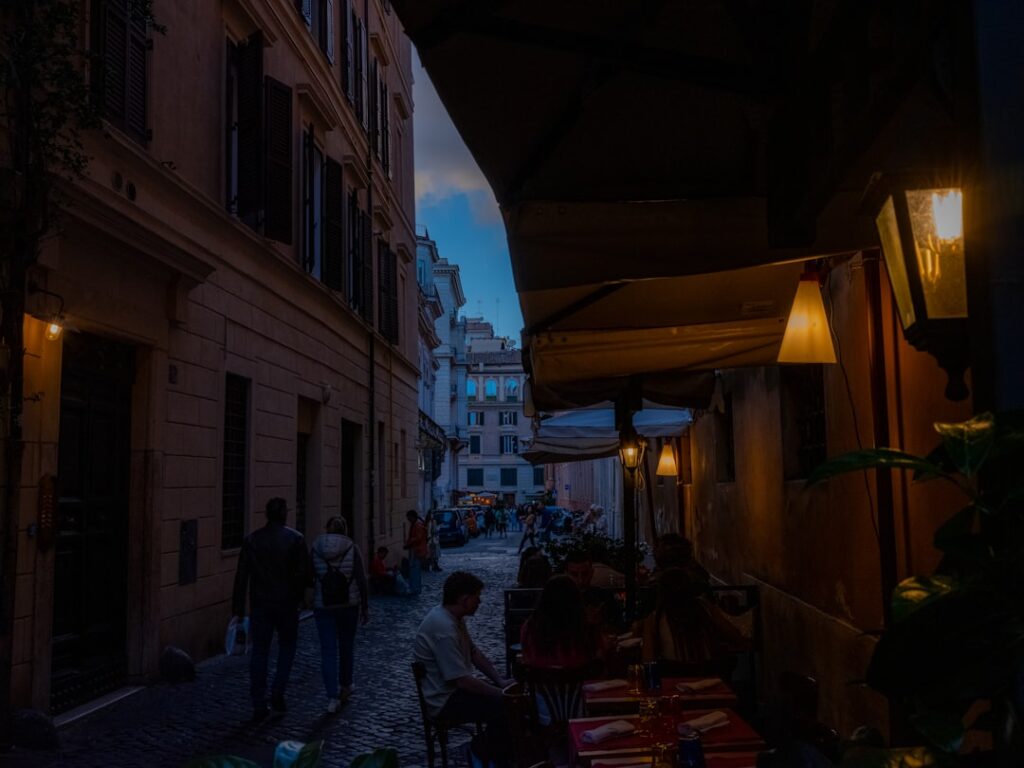
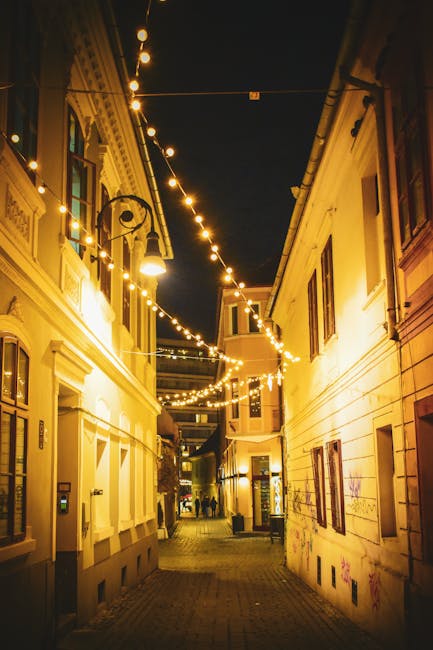
The Lipscani neighborhood, often called the Old Town or Centru Istoric, is the almost-inevitable starting point for many visitors. Centered around Strada Lipscani and Piața Unirii, it’s packed with bars, restaurants, shops and historic sites. Despite its touristy reputation, Lipscani can be affordable if you avoid the busiest venues and opt for small taverns and local cafés.
Highlights and useful addresses:
- Biserica Stavropoleos — Strada Stavropoleos 4, opening hours: 08:00–19:00 (free to enter, donations encouraged). A pretty baroque Orthodox church in the heart of the neighborhood.
- Curtea Veche (Old Princely Court) — Strada Lipscani 25, opening hours: 10:00–18:00, admission: about €1–€2 (often included in some museum passes).
- Piața Unirii — Bulevardul Unirii, a central transport hub (Unirii 1 and Unirii 2 metro stations). Handy for getting around to other areas.
Budget accommodation:
- Standard hostel dorm: €10–€18 per night, per person — many hostels are on Strada Lipscani and Strada Smârdan. Typical offer: dorm bed €12 (breakfast optional).
- Short-term studios and small apartments: €25–€45 per night if booked in advance, very convenient for 2–3 people (search for “apartment Lipscani” on rental platforms).
Cheap eats:
- Caru’ cu Bere (traditional restaurant) — Strada Stavropoleos 5, open 10:00–23:00, mains: €8–€15 (avoid peak hours if you want to save).
- Small bistros and local “shaorma” stands (Romanian kebab): €3–€5 for a quick meal (e.g. on Strada Lipscani and side streets).
Local tips:
- Avoid the terraces right on the main square for meals; step back a block and you’ll often find prices 20–30% lower.
- For nights out, pick bars advertising “no cover” and look for happy hour deals between 18:00–21:00.
- Use small independent corner shops for bottled water (€0.50–€1) rather than tourist shops.
2. Universitate / Piața Romană / Piața Victoriei — A practical central hub for museums and connections
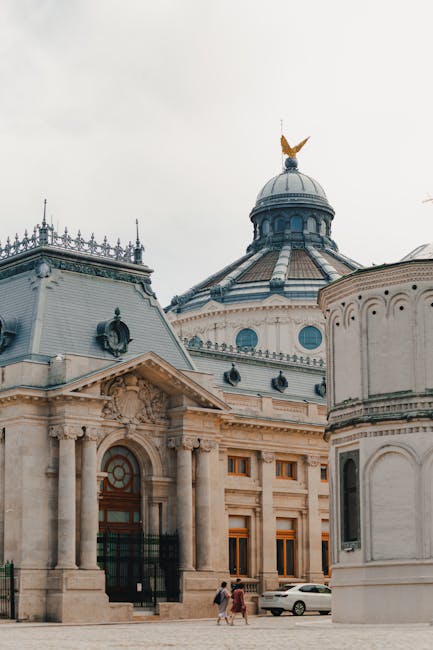
The triangle formed by Universitate, Piața Romană and Piața Victoriei is perfect for travelers who want to stay central without paying the premium of the most tourist-heavy streets. Here you’ll find museums, theatres, university cafés, libraries and several metro stations (Universitate, Piața Romană, Victoriei) that make it quick to reach the airport, the train station or the Palace of the Parliament.
Addresses and landmarks:
- Ateneul Român (Romanian Athenaeum) — Strada Benjamin Franklin 1-3, box office: 10:00–18:00, evening concerts; entry/tour: about €4–€8 depending on the event.
- Muzeul Național de Artă al României — Calea Victoriei 49-53, opening hours: 10:00–18:00 (closed Mondays), admission: about €6–€8 for the permanent collection.
- Piața Victoriei — Bulevardul Ion Mihalache / Bulevardul Aviatorilor, an access point for museums and ministries; metro station “Piața Victoriei”.
Accommodation and prices:
- Small budget hotels (2–3 stars) around Piața Romană: €30–€50 per night for a double room, often with breakfast included. Typical amenities: free Wi‑Fi, 24-hour reception, close to the metro.
- Shared apartments or private rooms via rental platforms: €20–€35 per night depending on season and distance from the metro.
Affordable cafés and eateries:
- Student cafés and university canteens near Universitate: daily dishes €3–€6, typically open 08:00–16:00 on weekdays.
- Bistros on Calea Victoriei: €6–€12 for a main course at a mid-range spot.
Hours and transport:
- Metro: roughly 05:00–23:00 on weekdays (times vary on weekends and holidays). Single ticket: around €0.70 (cost depends on ticket type; multi-ride packs and day passes exist).
- Buses and trams: frequent during peak hours; check routes and stops via local apps (e.g. RATB/Metrorex).
Practical tips:
- Staying near Piața Romană is a great compromise: quiet at night but lively during the day, with good metro connections to the airport (via line M2 with transfers).
- If you visit the Art Museum (Calea Victoriei 49-53), pair the visit with coffee in the small side streets rather than an on-site lunch to save money.
3. Cotroceni — Residential, quiet and great value for families
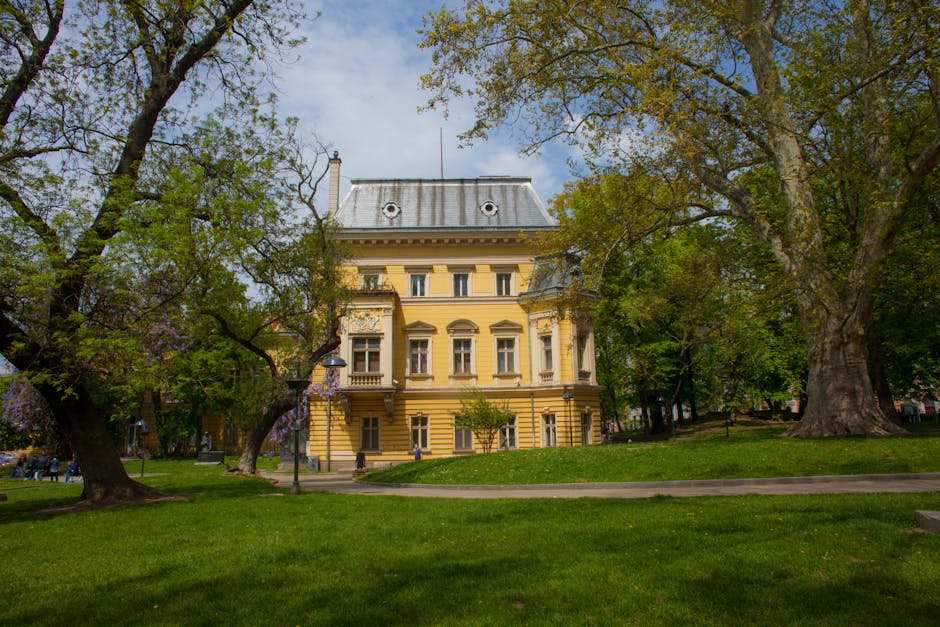
Cotroceni is a residential neighborhood west of the historic center, known for tree-lined streets, historic homes and its proximity to the Medical University and Cotroceni Palace. Less touristy, it offers a more local vibe — perfect for travelers seeking peace, safety and lower accommodation costs than in the center.
Points of interest and addresses:
- Palatul Cotroceni (Cotroceni Palace) — Bulevardul Geniului 1-3, guided tour times vary by season (book ahead), admission: about €4–€6 (check the official site before visiting).
- Institutul de Boli Cardiovasculare Prof. Dr. C. C. Iliescu — Strada Panduri 65, a local landmark (not a tourist site) to help locate the southern part of the neighborhood.
- Parcul Cotroceni — streets around the palace, ideal for joggers and families; open all day, with walking areas and public benches.
Accommodation:
- Small family hotels and guesthouses: €25–€40 per night for a double room, often with homemade breakfast (book early for the best deals).
- Apartments: €30–€50 per night for a clean studio with a kitchenette (great for 3+ night stays and families).
Eating and shopping:
- Local restaurants and family-run bistros: €5–€10 for a main course; bakeries open early for pastries at €0.50–€1.50.
- The neighborhood market (central to the area): fresh fruit and vegetables from about €0.50–€1 per portion — perfect for preparing cheap meals in your apartment.
Transport and access:
- Metro: Eroilor station is close to Cotroceni, or use trams/buses depending on your exact location; travel time to Piața Universitate: 15–25 minutes.
- Taxis / ride-sharing: trips to the center cost €6–€10 depending on traffic, useful late at night after events.
Local advice:
- Great for families or travelers who want a slower pace while still being 15–25 minutes from the tourist core.
- Look for guesthouses labeled “gazdă locală” — often run by hosts who provide excellent local tips and competitive rates.
4. Tineretului and Dristor — Parks, local cafés and affordable rents
South-east of the center, Tineretului and Dristor offer excellent value, especially for travelers who want easy access to green spaces. Tineretului Park (Parcul Tineretului) is one of the city’s big open areas — perfect for running, picnics or just relaxing. Neighborhoods around Dristor metro station (M1/M3) combine accessibility, reasonably priced housing and a very local food scene.
Useful spots and addresses:
- Parcul Tineretului — Bulevardul Tineretului, a large urban park with a lake, playgrounds and bike paths; open all day, great for outdoor activities.
- Dristor shopping area — Strada Răcari / Bulevardul 1 Decembrie 1918, many supermarkets, bakeries and small local grocers (typically open 07:00–22:00).
Accommodation and prices:
- Private rooms and furnished apartments: €18–€35 per night, often more spacious than central options (good value for mid-length stays).
- Hostels and small hotels: €10–€25 per night depending on cleanliness and services.
Food and neighborhood life:
- Local Romanian restaurants: €4–€8 for a main course, generous portions (e.g. mici, sarmale, ciorbă).
- Cafés and patisseries: espresso €0.80–€1.50, pastry €0.80–€2.
Transport:
- Dristor metro station (M1/M3): 10–20 minutes to Piața Unirii depending on transfers; handy for quick trips.
- Night buses operate on main routes; taxis are affordable for nighttime travel (€5–€8 to the center depending on traffic).
Practical tips:
- Pick accommodation within a 10-minute walk of a metro station to save time and money.
- Use local markets to cook if you have an apartment — an excellent way to cut your food budget significantly.
5. Militari and Drumul Taberei — The most economical option in the west
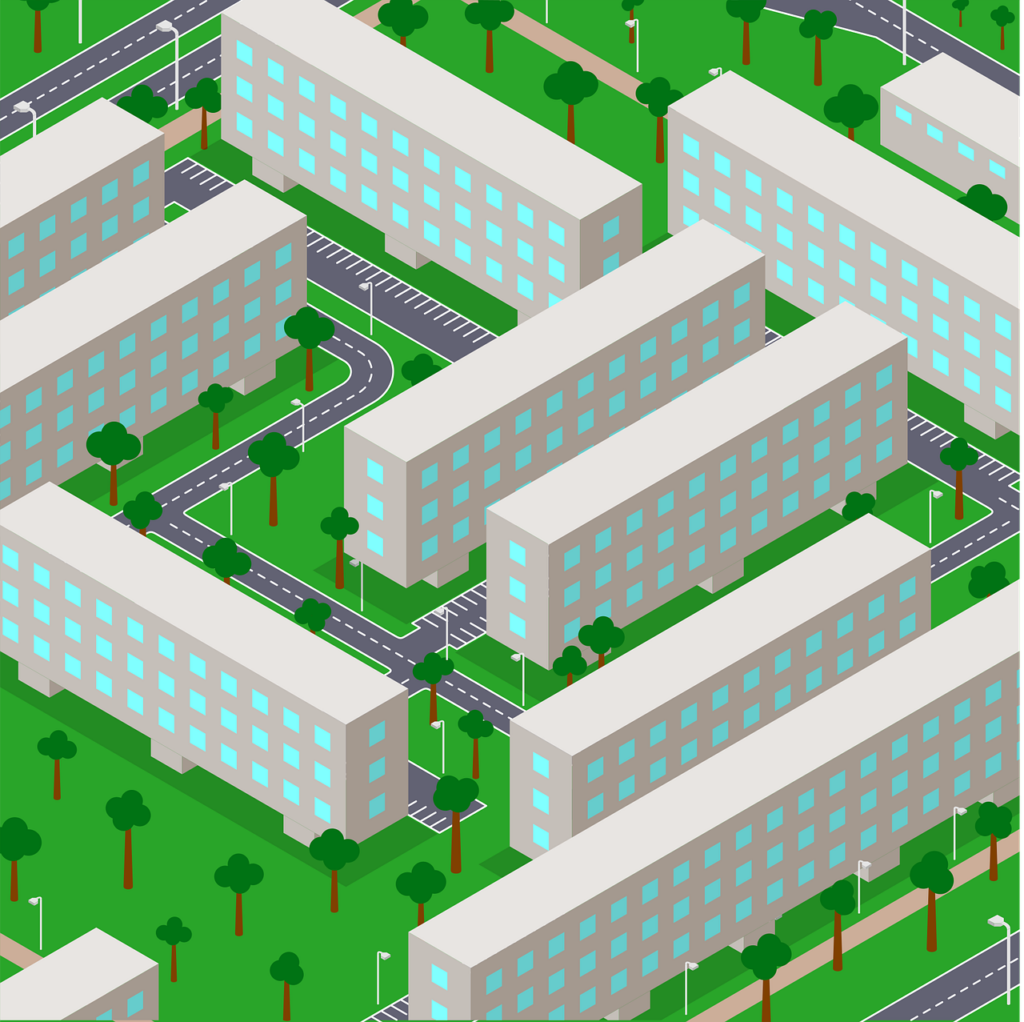
If you’re really watching your budget, the Militari and Drumul Taberei neighborhoods west of Bucharest offer the city’s lowest rents and accommodation rates. These areas were heavily developed during the communist era with large apartment blocks, which means affordable flats, convenient local shops and a decent public transport network. The main trade-off is travel time to the center (expect 25–40 minutes by public transport). If you plan to stay several days and use Bucharest as a base for excursions, these neighborhoods are a great choice.
Landmarks and addresses:
- Shoppingcity Militari / Plaza Mall Militari — Bd. Iuliu Maniu 5-7, a shopping centre useful for groceries and dining (open 10:00–22:00).
- Parcul Drumul Taberei — Bd. Drumul Taberei, walking areas and outdoor activity spaces.
Accommodation:
- Studios and private rooms: €15–€30 per night, often more spacious than central options and equipped for cooking.
- Monthly apartment rentals (for longer stays): very competitive rates, often under €300–€400 per month for a studio — an excellent option if staying several weeks (check local listings and contracts).
Food and daily life:
- Meals in local canteens: €3–€6 for a full meal.
- Food markets and big supermarkets (Auchan, Carrefour): low prices for staples, ideal for cooking at home.
Transport:
- Trams and buses run direct connections to the center; count on 25–40 minutes depending on traffic and metro transfers.
- Budget €7–€12 for a taxi ride to the center during daytime (cheaper in early morning or late night depending on demand).
Tips:
- Perfect for long-stay travelers, families and those on very tight budgets; check proximity to a big store or market to keep food costs low.
- If you pick this area to save money, make sure you have a reliable internet connection (verify Wi‑Fi in the listing or ask the host).
Conclusion — Choose smart based on your travel style
Bucharest offers budget options for every type of traveler. Whether you prefer Lipscani’s buzz, Universitate / Piața Victoriei’s practical centrality, Cotroceni’s residential calm, Tineretului / Dristor’s green spaces, or ultra-economical stays in Militari / Drumul Taberei, there are choices to match your needs. The keys to success are simple: prioritize proximity to the metro, book ahead (especially in high season), opt for places with a kitchenette if you cook, and use local markets to cut food costs.
To recap the essentials:
- Always check the distance to the nearest metro station and the travel time to the places you plan to visit (museums, stations, airport).
- Look for accommodations with recent positive reviews and good cleanliness ratings; paying a little more for a clean, central place can save time and money in the long run.
- Use local markets and convenience stores for everyday shopping — savings add up quickly if you prepare a few meals yourself.
- Learn a few basic Romanian phrases and use local transport apps to plan trips and avoid unexpected charges.
Finally, a practical tip: if your schedule is flexible, split your stay between two neighborhoods — for example, 3 nights in the center (Lipscani/Universitate) to visit museums and enjoy restaurants, then 3 nights in Cotroceni or Militari to reduce costs and experience everyday local life. This balances sightseeing with real savings. Bucharest is a city of contrasts where modern life sits alongside quieter neighborhoods; by knowing the right areas and using a few local tricks, you can enjoy a rich, affordable stay.