





Introduction: Bucharest — rails, rivers and electric lines
Bucharest, Romania’s capital, is a city shaped by movement. From the sharp clack of 19th-century steam locomotives to the subdued hum of today’s metro trains, the story of transport in Bucharest traces the city’s technical, social and urban evolution. Getting around here has never been just a necessity — it’s a reflection of economic shifts, political ambitions and planning decisions. This article takes you on a chronological, immersive journey through the main milestones: the early railways, the rise of trams and buses, motorisation and highway projects, then the underground revolution of the metro and recent moves toward greener mobility.
Beyond the big dates, we’ll visit real places: Gara de Nord (Gara de Nord, Piața Gării de Nord 1, 010264 București), the major boulevards that hosted the first trams, former depots and workshops that have been repurposed, and the landmark Metrorex stations. You’ll also find practical tips — exact addresses, typical opening times, and prices in euros — if you want to walk these routes with an eye for history. Tales of level crossings turned into boulevards, preserved steam engines in museums, or metro stations painted like modern cathedrals are all episodes that make up Bucharest’s character.
This piece is designed as a broad but detailed guide for curious travellers, urbanism students, transport enthusiasts and professionals looking for concrete reference points. Each section mixes historical narrative, physical descriptions, practical information (prices and schedules), and local tips to help you travel better. You’ll also see how political choices in the 20th century — both during the communist era and the transition years — shaped today’s network: tunnels, bridges, suburban rail lines and auto-centric priorities. The article ends with a look at current challenges: infrastructure renovation, electrification, fare integration and expansion projects to make mobility greener and more inclusive.
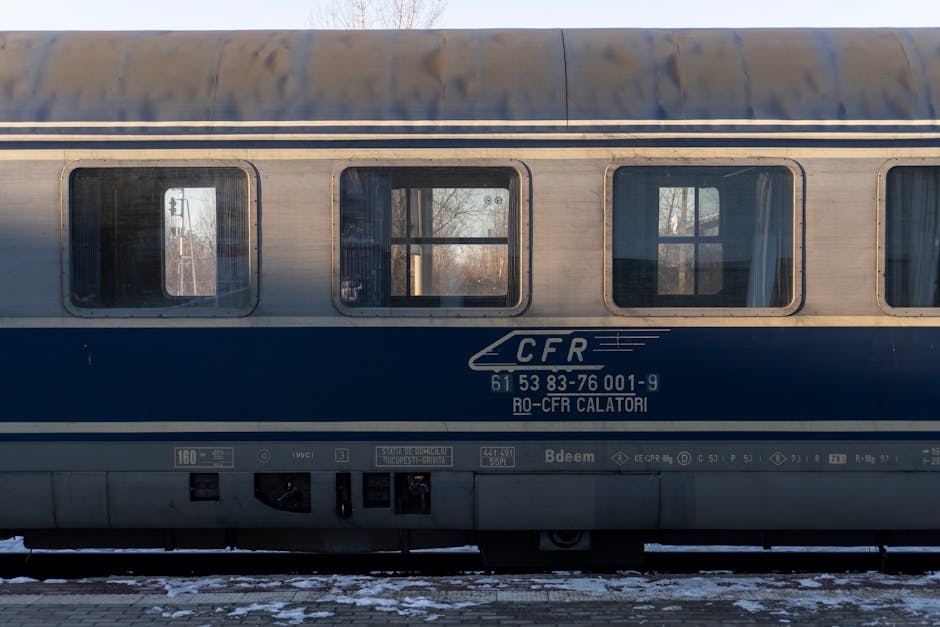
Before diving in, note that prices shown are in euros and are approximate conversions of local official fares (the Romanian leu is the local currency). Schedules are indicative and can change with the seasons or construction work. Each section includes exact addresses and practical tips so you can extend the visit on site: museums, stations, depots and walking routes. Get ready to imagine the smell of oil and steam, hear the rails groan, and then feel the muffled modernity of metro platforms lit and decorated like little urban arenas.
1) Railway origins: the steam era and the birth of the great stations
The first major shift in Bucharest’s mobility came with the arrival of the railway. The introduction of lines in the mid-19th century transformed the city by opening Bucharest to international trade and internal migration. The linchpin of this network is Gara de Nord — unofficially the railway « gate » of the capital. Address: Piața Gării de Nord 1, București 010264. Gara de Nord remains a nerve centre: long-distance trains, regional services and suburban connections all converge here.
Gara de Nord, built and rebuilt through different eras, still shows historic features: large glass roofs, vaulted halls and iron departure boards. The atmosphere blends heritage with everyday utility: hurried travelers, ticket windows, shops and bright information screens. The station is open 24 hours, but ticket offices and some services (left-luggage, information desks) have limited hours; main passenger services are usually available between 05:00 and 00:30. For intercity journeys, expect fares that vary: a Bucharest–Brașov trip costs roughly 10–15 EUR (depending on class and train type), while tickets to Timișoara can exceed 20 EUR for faster services.
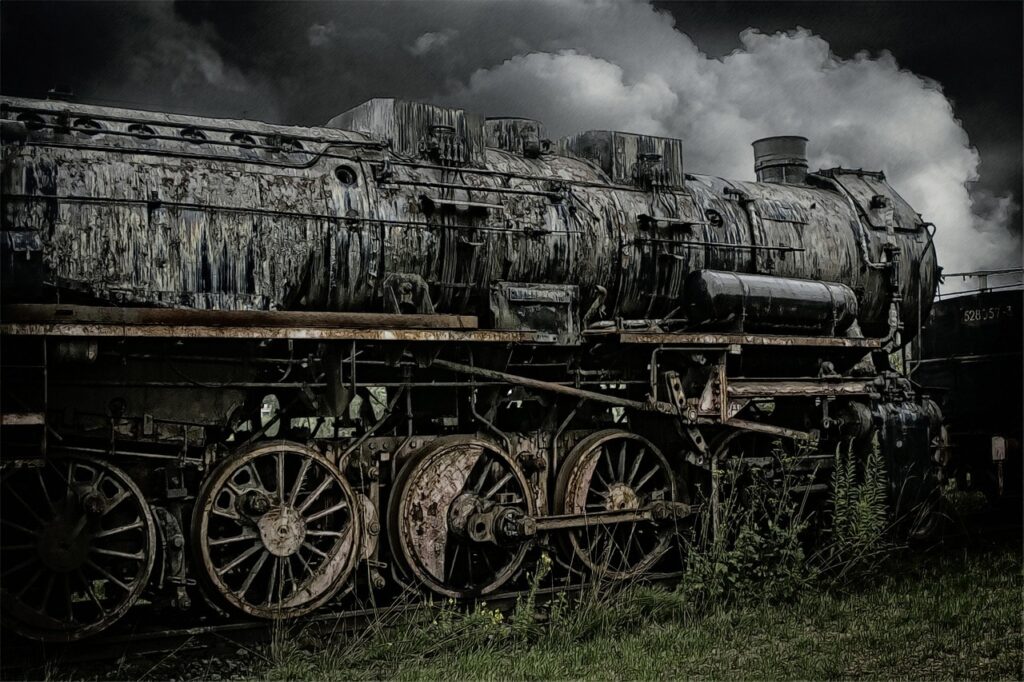
Railway history buffs should plan to hunt down preserved heritage. Although the railway museum has moved and been reorganised over the years, temporary exhibitions and preserved locomotives are often found around the station and in converted depots. Look for signs for « Muzeul Căilor Ferate » during special events or outdoor displays. The steam engines on display, with their polished piping and identification plates, offer a tangible window into the beginnings of heavy mobility.
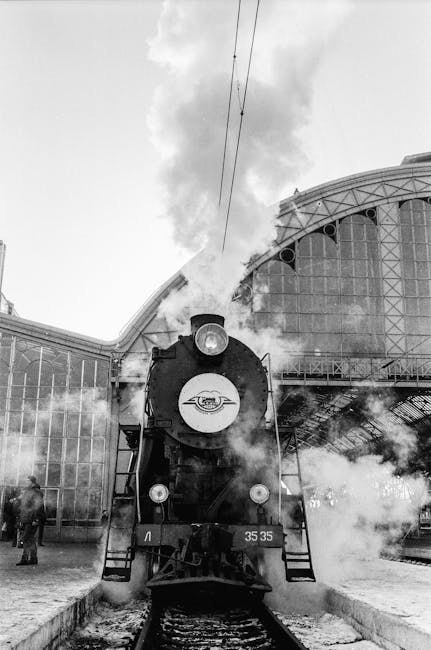
Practical tip: if you want to photograph the old architecture and machines, arrive early for soft light and fewer people. Platforms are generally accessible, but entry to some areas (depots) is restricted — ask station staff about guided tours. For intercity tickets, the online CFR Călători service is convenient; ticket offices accept cards and cash. Also watch for bilingual signage (Romanian/English) in the station — handy if your Romanian is limited.
2) Trams and omnibuses: weaving the city from the 19th to the 20th century
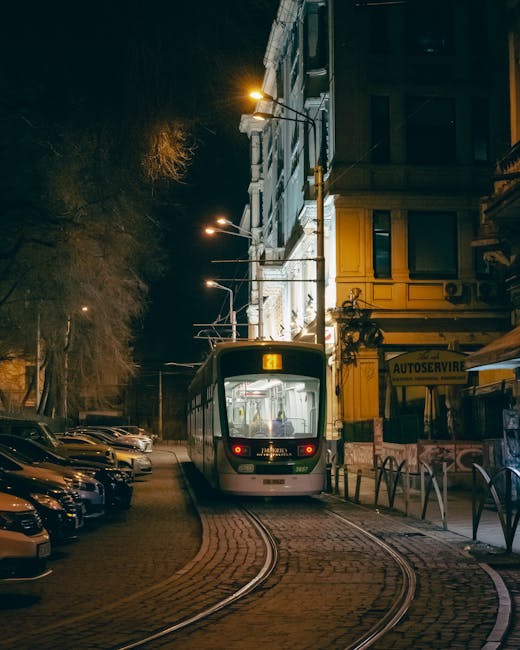
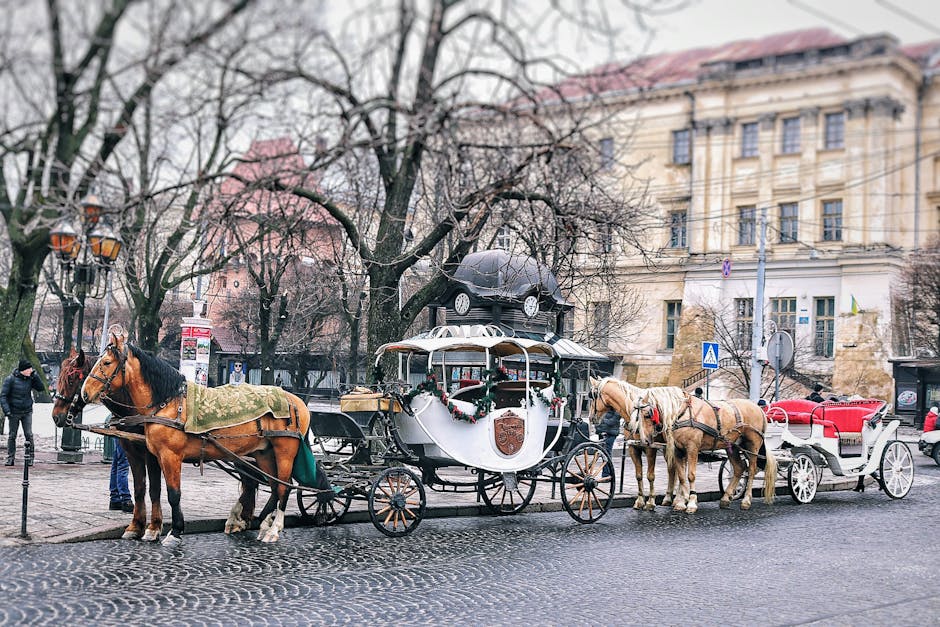
Alongside the national rail network, Bucharest’s urban fabric thickened thanks to trams and later buses. Horse-drawn trams appeared in the mid-19th century and were gradually electrified by the end of the century. Lines served commercial and residential corridors: Calea Victoriei, Bulevardul Regina Elisabeta, and areas along the Dâmbovița. These trams shaped daily life: markets, factories and neighbourhoods were connected, fueling urban expansion.
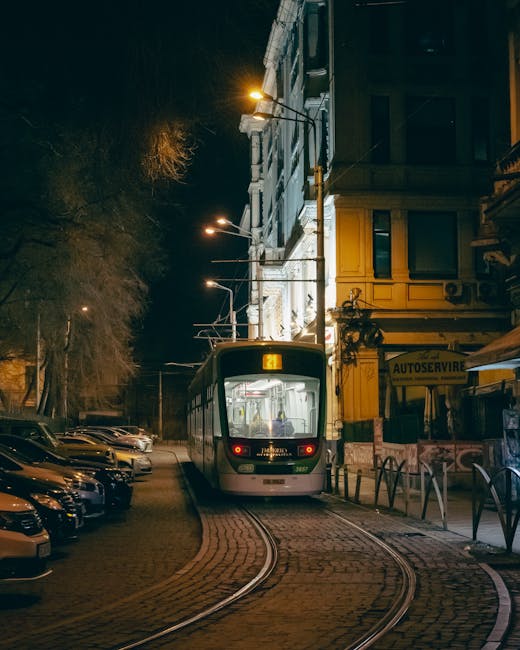
Today the surface network is run by Societatea de Transport București (STB S.A.), which operates trams, trolleybuses and buses. The most scenic lines cut through historic districts: tram line 1 skirts the southwest sector, while other similarly numbered routes sometimes run along Calea Victoriei and the old town, offering views of late-19th/early-20th-century façades. The STB network typically runs from about 04:30 to 23:30, with limited night services on certain lines.
Fares (approx.): a single STB ticket costs around 0.50–0.70 EUR (conversion varies). Day tickets and multi-day passes exist — for example, a day pass for urban transport (bus/tram/trolley) might be about 2–3 EUR, while a monthly pass can be roughly 15–25 EUR depending on discounts (students, seniors). Tickets can be bought at kiosks, ticket machines and via mobile apps (STB Pay or alternatives), and must be validated on board.
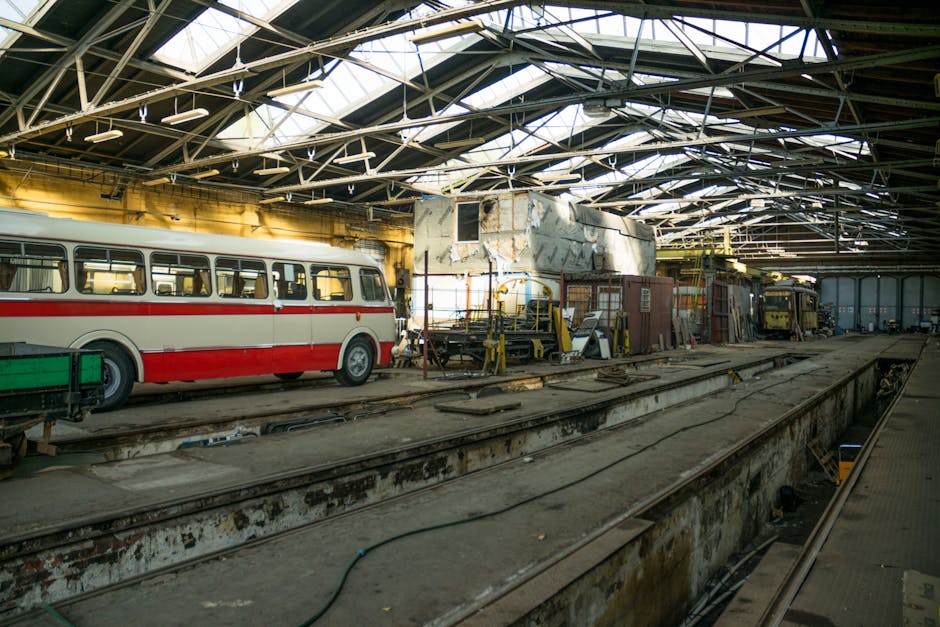
Depots and workshops (depouri) that served as technical arsenals have sometimes been converted into cultural or commercial spaces. Some former workshops are now exhibition halls and covered markets, while retaining industrial bones: steel beams, large doors and embedded rails. These conversions tell a story of adaptive reuse of industrial heritage.
Local tips: riding a refurbished historic tram offers a slow, scenic way to see the city — try to travel during off-peak hours to enjoy the façades and avoid the morning crush. For urban photography, intersections around Piața Universității and Calea Victoriei offer rich compositions, especially late afternoon. Beware of pickpockets on crowded trams and keep valuables close.
3) Cars, boulevards and the concrete era: modernisation and consequences
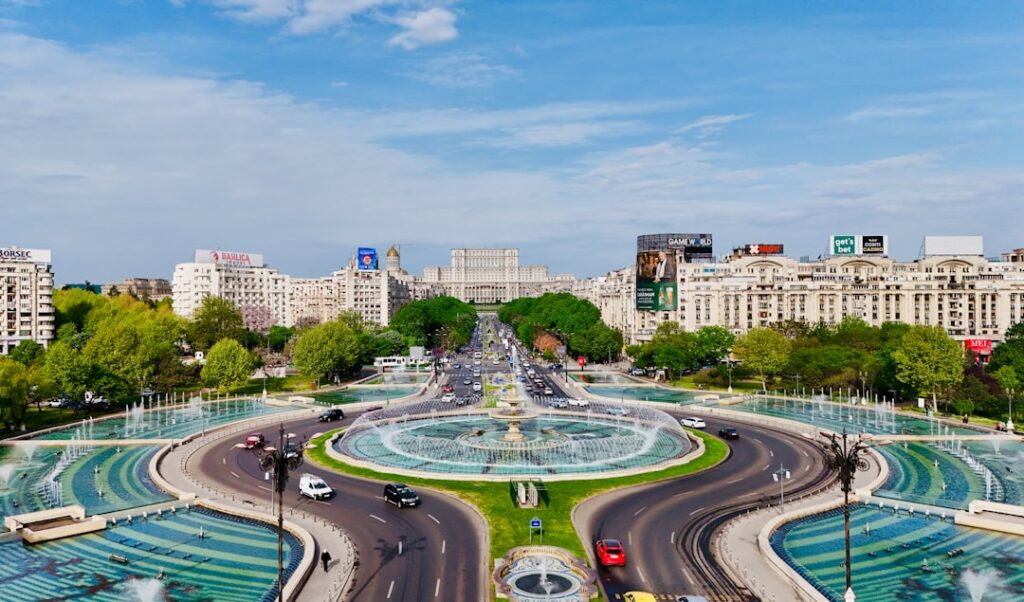
The 20th century saw the rise of the automobile, influenced by Western models and reinforced during the communist period by policies favouring monumental urban layouts and highways. Wide boulevards were carved out — sometimes at the cost of old neighbourhoods — to create fast arteries and grand vistas. The most striking example is Bulevardul Unirii (Union Boulevard), designed under Nicolae Ceaușescu as an imposing ceremonial axis connecting the Palace of the Parliament (Palatul Parlamentului) to other major thoroughfares.
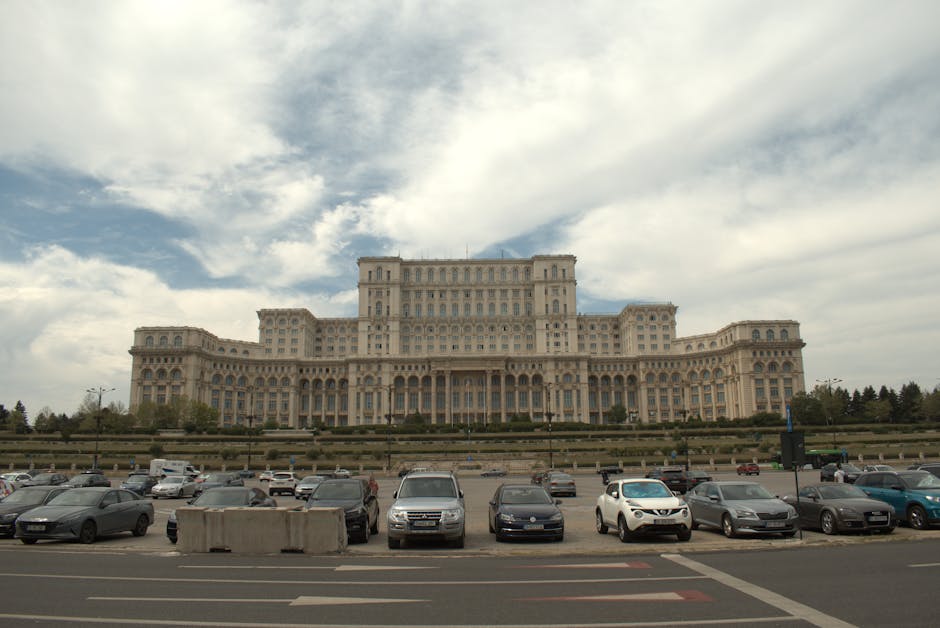
The Palace of the Parliament, located at Bulevardul Unirii 92-96, District 5, 050741 București, is one of the era’s symbols. The impact on mobility was twofold: on the one hand it eased motor traffic and the movement of official convoys; on the other it created bottlenecks and increased car dependency. Large squares and avenues also spawned networks of petrol stations, parking lots and supporting infrastructure needed for a growing vehicle fleet.
Public transport sometimes suffered as a result of car-first priorities: some tram lines were cut back, pedestrian areas reduced and parts of the city fragmented. However, the last decade (post-2000) has seen efforts to reverse the trend: partial pedestrianisation of historic centres, the addition of cycle lanes in places, rehabilitation of tram lines and modernisation of trolleybuses.
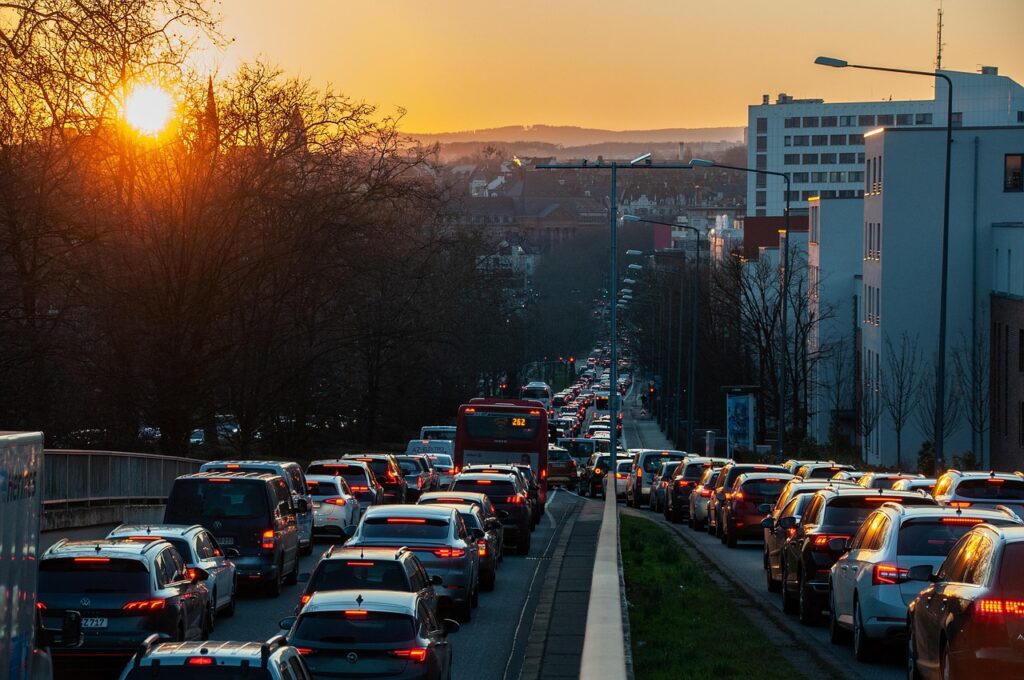
Practical advice: if you drive in Bucharest, expect heavy traffic at peak hours (07:30–09:30 and 16:30–19:00). Paid parking is available around malls and monuments — roughly 1–2 EUR/hour in central zones. To avoid the stress of driving and parking, favour the metro for long cross-city trips and the tram for slower scenic routes.
On the environmental front, the city is gradually moving toward solutions: electric buses, modernised trams and charging projects for vehicles. These efforts aim to cut air and noise pollution and improve urban life, while acknowledging the legacy of wide, car-oriented thoroughfares.
4) The metro: from a Soviet-era dream to Metrorex’s modern network
The birth of Bucharest’s metro is one of the most decisive chapters in the city’s transport history. Designed in the 1970s and 1980s during a period of rapid urbanisation, the metro aimed to ease surface congestion and provide fast cross-city links. Today the network is run by Metrorex (Compania Metrorex S.A.), with stations that are both functional and, in some cases, remarkably decorative.
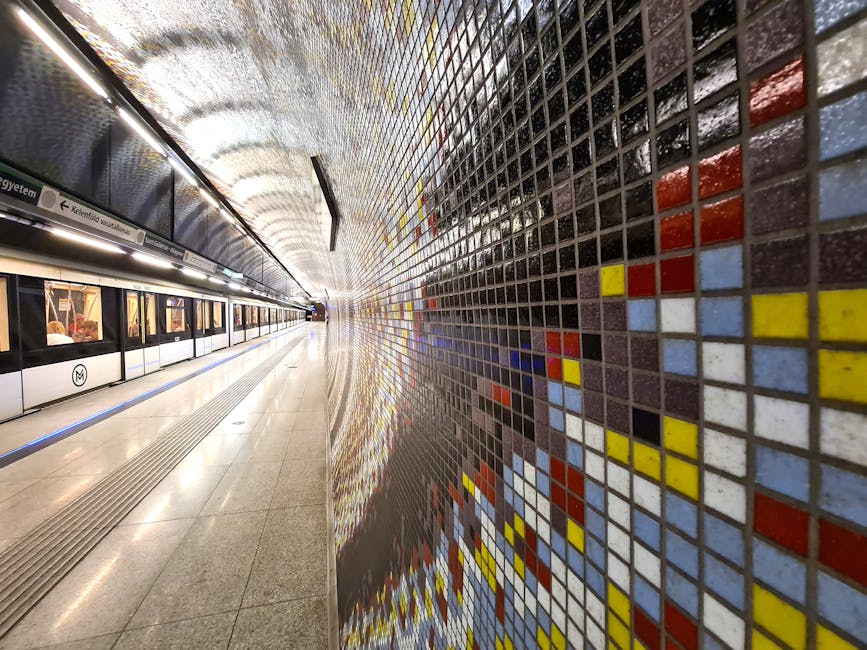
Notable stations: Piața Unirii (Piața Unirii, Bulevardul Unirii) is a major interchange where important lines cross (M1, M2, M3 depending on configuration) — the underground architecture here is vast and sculptural. Piața Victoriei (Piața Victoriei, central square) is another key station near government institutions and museums. The Universitate station (Piața Universității) provides direct access to university and cultural areas.
Hours and fares: the metro generally runs from 05:00 to 00:30 (hours subject to change for works or events). A single ticket costs about 0.65 EUR (≈3 RON, conversion variable) and is valid for a journey including transfers within the Metrorex network (20–30 minutes depending on rules). Rechargeable cards and monthly passes are available: a monthly subscription can be around 15–25 EUR (reduced rates for students and seniors). Ticket machines accept cash (lei) and bank cards; mobile apps also enable digital purchases.
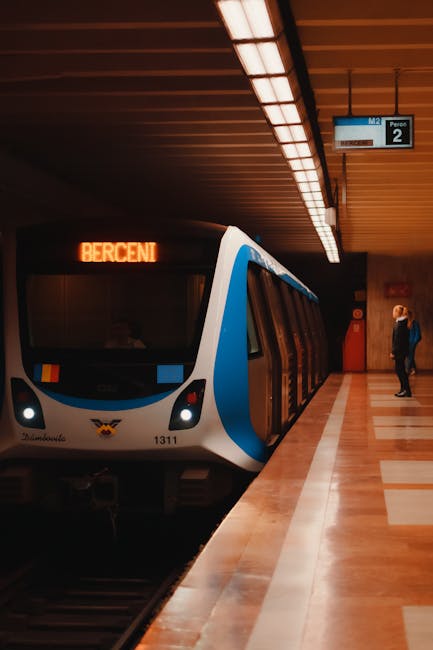
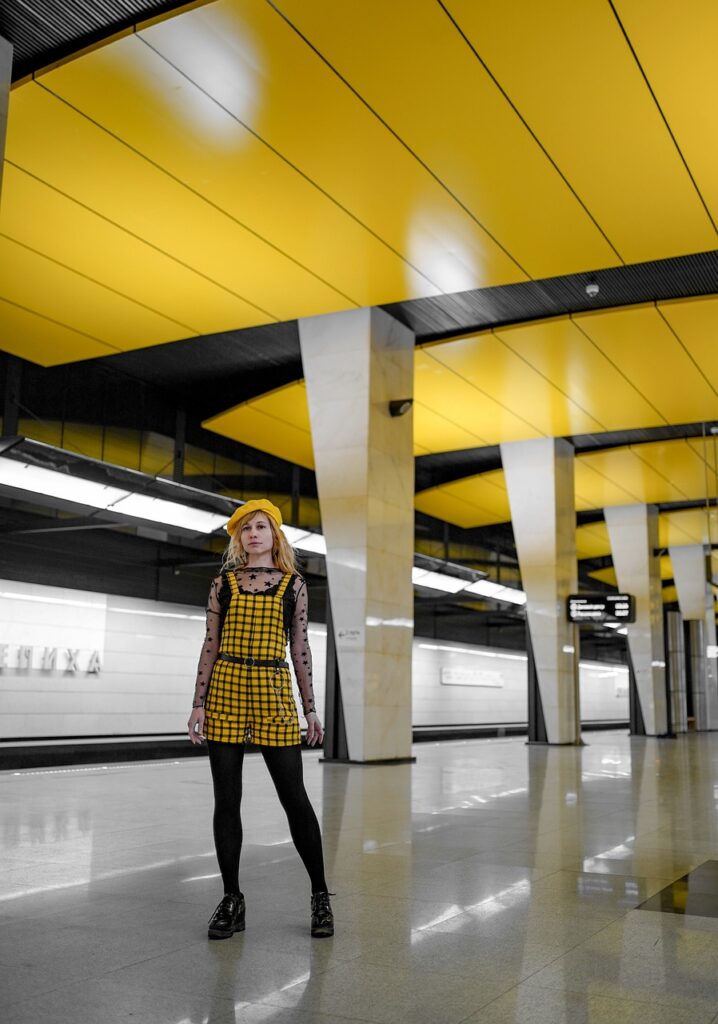
Travel experience: Bucharest’s metro is known for its deep platforms, large vaults and — in some stations — artistic motifs and mosaics that recall the monumental ambitions of the communist era. Modern trains are air-conditioned and fast, offering a quiet alternative to surface traffic. During off-peak hours, rides reveal the rocky substrata of the city, bored through for tunnels and infrastructure.
Practical tip: to visit the main historical sites, combine metro and walking — Piața Unirii station puts you close to the old town and the Dâmbovița river, while Piața Victoriei is near the National Museum of the Romanian Peasant (Muzeul Țăranului) and the National History Museum. Watch peak hours and keep your belongings secure. If you’re into engineering, Metrorex sometimes organises technical guided tours for groups — check the official office or central ticket window for information.
5) Rehabilitation, intermodality and contemporary challenges
Since the 2000s, Bucharest has entered a modernisation phase aimed at making its network more resilient and environmentally friendly. This transition includes renovating trams, buying modern articulated vehicles, introducing electric and hybrid buses, and planning metro extensions to serve new residential and economic areas.
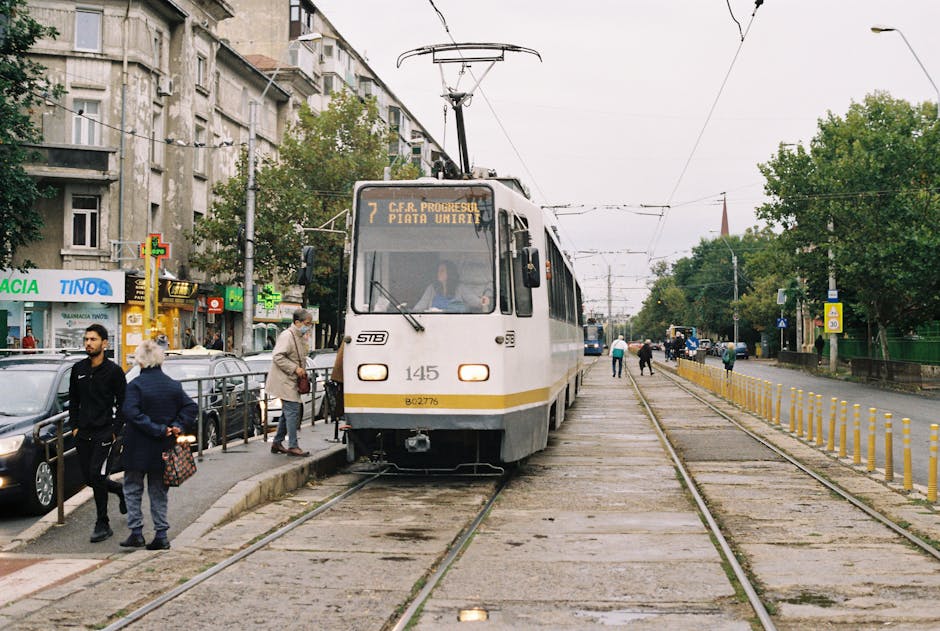
Intermodality: the goal is to integrate buses, trams, metro and suburban trains for seamless transfers. Intermodal hubs like Gara de Nord aim to synchronise regional trains with the metro, while park-and-ride facilities on the outskirts encourage combined car+train use. Integrated tickets and mobility apps are intended to reduce friction between modes, although full fare integration is still a work in progress.
Projects and investment: several European and national funds support infrastructure upgrades: track modernisation, signalling system upgrades and installation of real-time passenger information systems. Local authorities are also working on continuous, safe cycle lanes and pedestrian zones in the historic centre.
Challenges ahead: persistent congestion, urban pollution, ageing infrastructure and ongoing maintenance needs. Financial balance is crucial: public subsidies, private investment and appropriate fares are needed to limit the burden on household budgets while maintaining service quality.
Tips for today’s traveller: use local maps and mobile apps to optimise routes (Metrorex app, Google Maps), avoid driving in the centre during peak times and favour the metro for longer cross-town trips. For short, touristy runs the tram offers an enjoyable sensory experience, while walking in restored areas (Calea Victoriei, Lipscani) gives an intimate feel for the city.
Conclusion: memory, mobility and the future of Bucharest
The history of transport in Bucharest is a story of layered developments: from steam rails to metro tunnels, horse-drawn trams to contemporary electric buses — each era has left visible marks on the urban landscape. These transformations show a city constantly adapting, trying to balance heritage and modernity. Major stations like Gara de Nord remain vital arteries, while the metro is the backbone of fast daily travel. Trams and boulevards tell how urban life organised itself around commerce, work and leisure.
For curious travellers, Bucharest offers a rich field to explore: museums, historic stations, ornately decorated metro stops, repurposed workshops and new ecological developments. Key addresses (Gara de Nord, Piața Unirii, Piața Victoriei, Bulevardul Unirii) help you plot a route that blends history with current reality. The fares and schedules provided here are practical benchmarks; check them before you go, as pricing and timetables can change.
Looking ahead, Bucharest will need to keep investing in maintenance, metro extensions, intermodal integration and the energy transition to offer smoother, more sustainable mobility. Electrification projects and pedestrian and bicycle initiatives already signal a willingness to change. For visitors and residents, this means a progressively more pleasant, efficient and environmentally friendly network.
In the end, following Bucharest’s transport history is like reading the city itself: its monumental ambitions, political reorganisations, technical adaptability and social resilience. Whether you’re a traveller, researcher or enthusiast, stroll along historic axes, descend into the metro’s deep stations, visit stations and old depots — you’ll touch a city forged by movement. For practical visits, remember: Gara de Nord (Piața Gării de Nord 1, 010264 București) is a great starting point, most museums open between 10:00 and 18:00 (days vary), and the metro runs from early morning until about half past midnight. Safe travels through Bucharest’s past and present — and enjoy discovering the routes that built the city.