





Introduction — Getting around Bucharest in one day: planning a successful visit
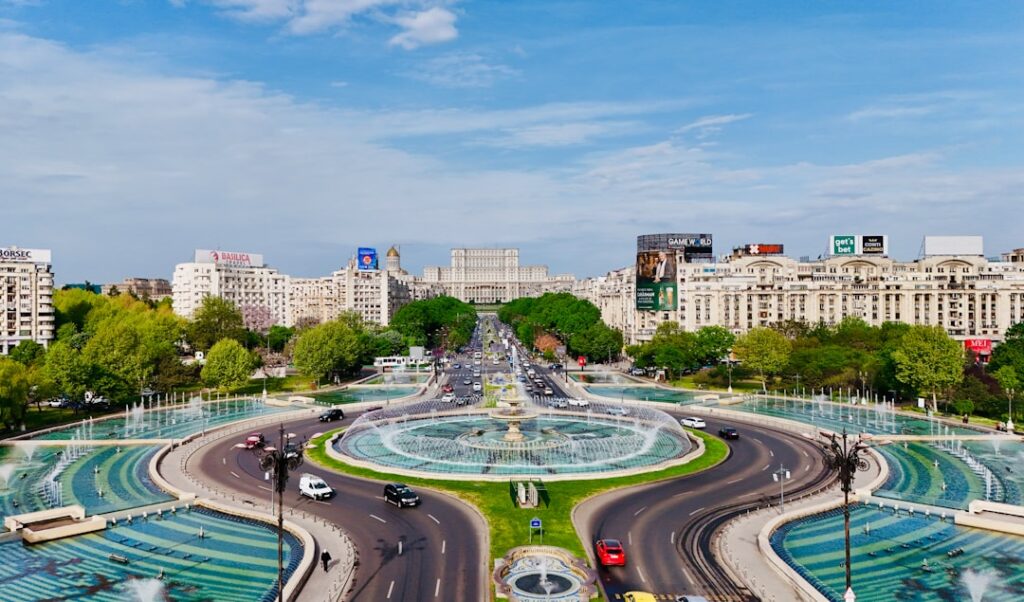
Bucharest, Romania’s capital, is a city of contrasts: grand boulevards reminiscent of Haussmann, lively medieval quarters, wide green spaces and imposing examples of communist-era architecture. If you only have one day to explore, an optimized route, clear practical details (addresses, opening times, prices) and reliable transport alternatives are essential. This guide gives you a sample itinerary, practical tips for getting around (metro, tram, bus, taxi), recommended sights and local tricks to make the most of Bucharest without wasting time.
Before you go, note that the currency is the Romanian leu (RON), but we’ll list prices in euros (€) to keep things simple. Conversions are approximate (1 € ≈ 4.95 RON at the time of writing). Dress comfortably, bring walking shoes and a small bottle of water: the day mixes walking with a few public transport hops. Most major sights are clustered between the Old Town (Lipscani), Calea Victoriei, the Herăstrău Park area and the massive Palace of the Parliament (Palatul Parlamentului). This guide follows a circular route, starting at the Palace of the Parliament in the morning (to avoid crowds) and finishing in the Old Town at sunset.
Transport: Bucharest’s Metrorex metro is fast and cheap; a single ticket costs roughly €0.50 (2.5 RON) for a one-way trip. Surface coverage is provided by STB trams and buses; a single fare also costs about €0.50 if bought in advance. Ride-hailing apps like Uber and Free Now work well and are often more convenient for short hops between sites when you’re in a rush: expect €3–7 depending on distance. Walking remains the best way to feel the city — the historic center is very compact.
1) Morning: Palace of the Parliament and Village Museum — planning and practical visiting tips
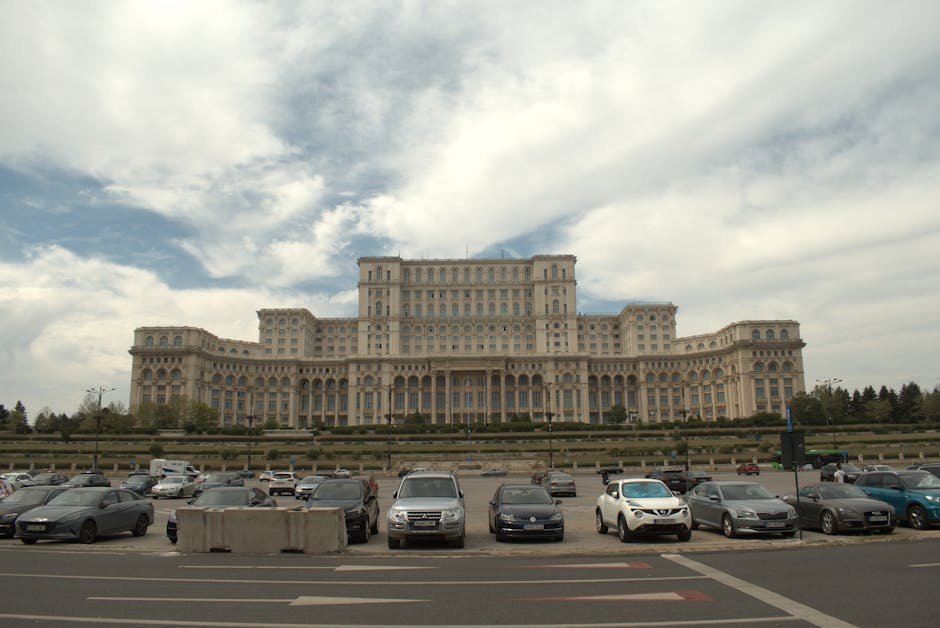
Start early at Palatul Parlamentului (Palace of the Parliament), one of the world’s largest administrative buildings. Address: Strada Izvor 2-4, Sector 5, Bucharest 050563. Opening times: guided tours in English are usually at 10:00, 11:00, 12:00 and 14:00 (check availability online). Guided tour prices: around €12–15 per person (60–75 RON); reduced rates for students/young people. Recommended visit length: 1h15–1h30. Book tickets in advance on the official website or buy at the ticket office if there’s availability.
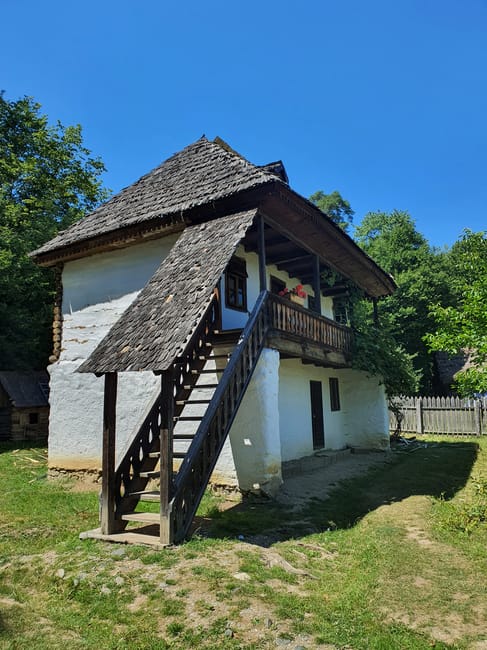
Practical tips: arrive 20–30 minutes before the tour to get through security (ID required). Photography may be restricted inside depending on the room. The building is vast and its sweeping marble staircases make for excellent photo ops. From the palace you can reach the Muzeul Național al Satului « Dimitrie Gusti » (Dimitrie Gusti National Village Museum) if you prefer a more rural morning: address: Șoseaua Pavel Dimitrievici Kiseleff 28-30, Sector 1. Opening hours: 9:00–17:00. Price: roughly €4–6 (20–30 RON). This open-air ethnographic museum showcases traditional houses and windmills brought from all over Romania.
- Transport: from the palace, take a taxi or a bus (depending on timing) to reach the village museum in 15–25 minutes.
- Tip: if time is tight, prioritize the Palace of the Parliament and save the Village Museum for another visit; both require time to appreciate fully.
2) Midday: Calea Victoriei, National Museum of Romanian History and lunch in the center
Head back toward the historic center and Calea Victoriei for an architectural stroll. Start at the Muzeul Național de Istorie a României (National Museum of Romanian History), address: Calea Victoriei 12, Sector 3, Bucharest 010063. Opening hours: 10:00–18:00 (closed on some public holidays; check online). Price: about €6–8 (30–40 RON). The museum houses collections from prehistory to the modern era — including the famous royal crown collection and a replica of Trajan’s Column.
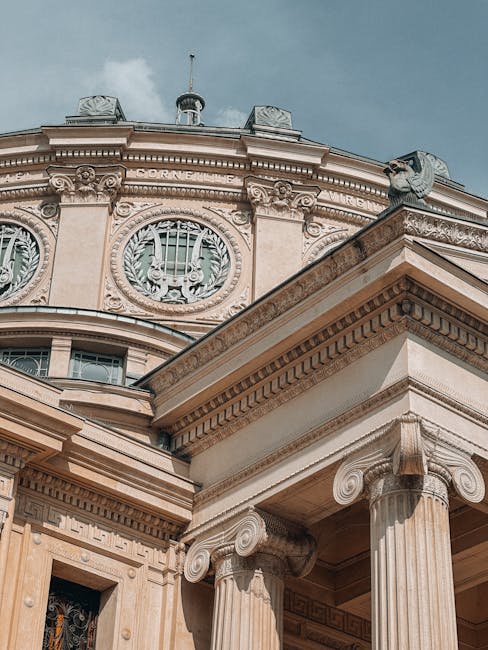
Nearby is the Romanian Athenaeum (Ateneul Român), address: Strada Benjamin Franklin 1-3, Sector 1. Visiting hours: generally 10:00–17:00; evening concerts (tickets €5–25 depending on the performance). Visit prices: €4–10 (20–50 RON) depending on the tour or concert. The neoclassical facade and the circular concert hall decorated with impressive frescoes are a must-see.
For lunch, choose a restaurant on Calea Victoriei or in Lipscani (Old Town). Examples: Caru’ cu Bere, Strada Stavropoleos 5 — a legendary address with an Art Nouveau interior; main courses €6–12 (30–60 RON), open 10:00–23:00. Tip: book ahead or arrive before 12:30 to avoid long waits. A more modern alternative: Hanu’ lui Manuc, Strada Franceză 62 — traditional Romanian fare, mains €8–15.
3) Afternoon: Lipscani, CEC Palace and pedestrian strolls
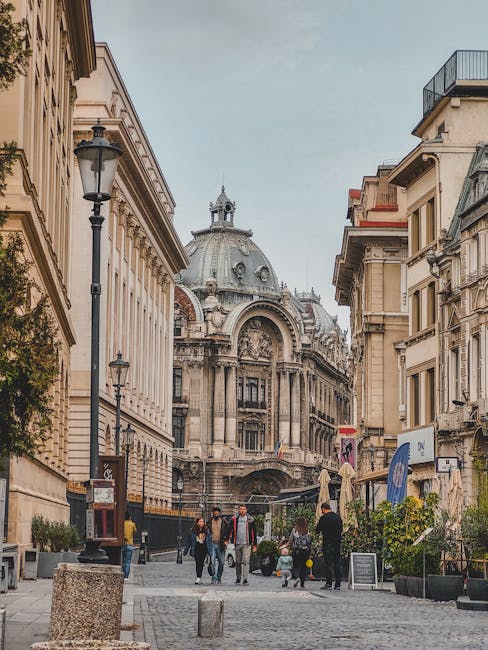
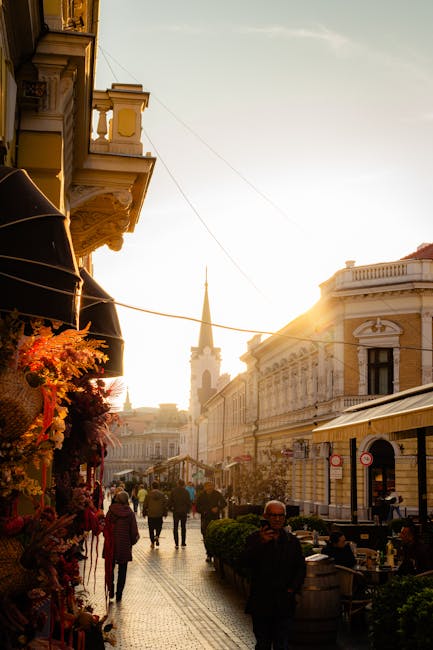
After lunch, wander through the historic Lipscani district (Old Town). Highlights: Strada Lipscani (the main lane), Biserica Stavropoleos (Stavropoleos Church), address: Strada Stavropoleos 4, Sector 3. Opening hours: 10:00–18:00, entry free or donation suggested (around €1–2). The area is full of small craft shops, cafés and hidden squares to discover.
Don’t miss the Palatul CEC (CEC Palace), address: Calea Victoriei 13, Sector 1. The exterior is visitable at any hour (the interior only on request or during exhibitions). The facade and dome are particularly photogenic. From there, walk toward Bulevardul Regina Elisabeta to see 19th-century buildings and historic cafés.
Recommended afternoon activities: grab a coffee on a terrace in the Old Town (coffee €1.5–3), shop for crafts at the Lipscani market, and, if time allows, visit the Muzeul de Artă al Municipiului București (Museum of Art of the City). For recent-history buffs, a short stop at the Memorial of Rebirth or sites linked to the 1989 Revolution can add context.
- Getting around on foot: the center is easy to explore on foot; allow 2–3 hours to take in Lipscani at a relaxed pace.
- Taxis & ride-hailing: if you’re tired, a Lipscani–Herastrau ride costs about €4–7 depending on traffic.
4) End of day: Herăstrău Park, Village Museum and a traditional dinner
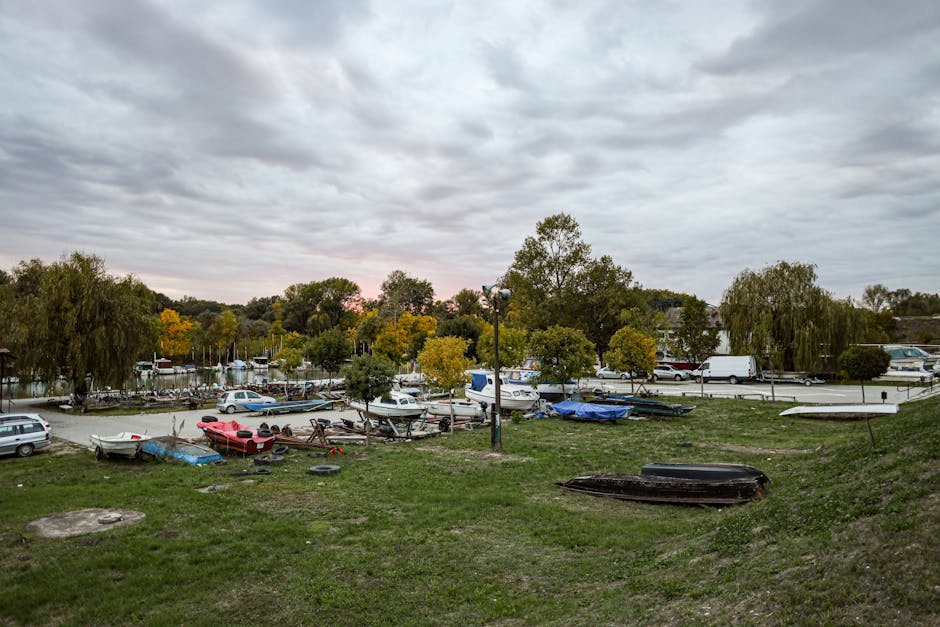
Finish the day to the north at Herăstrău Park (Herăstrău Park, now also called Parc Regele Mihai I) for a lakeside sunset. Main access depends on your starting point — Piața Victoriei or Calea Floreasca are common entry points. Stroll the paths, rent a pedal boat (about €6–12 per hour) or relax at a lakeside restaurant.
If you didn’t visit the Muzeul Național al Satului earlier, this can be a good time to go (note that it often closes at 17:00, so plan accordingly). For dinner, head back to the center or book a table at a restaurant serving modern Romanian cuisine: for example The Artist (Strada Pangratti 10, tasting menus €40–70) or, for a more budget-friendly option, Caru’ cu Bere or Hanu’ lui Manuc in the Old Town (mains €6–15).
End-of-day tips: book your transfer to the airport (Otopeni) in advance if you have a late flight: official taxi to Otopeni ≈ €15–25; Aeroexpress train from Gara de Nord ≈ €3–4. Most visitors wander back into the Old Town to enjoy the evening lights.
Conclusion — Summary and practical tips for an optimal day
Seeing Bucharest in a single day is ambitious but entirely doable with a solid plan: start early at the Palace of the Parliament to beat the crowds, continue along Calea Victoriei for museums and the Romanian Athenaeum, explore Lipscani in the afternoon for atmosphere, and finish by the Herăstrău lake for a relaxing sunset. The prices listed (entrances €4–15, transport €0.5–7, meals €6–15 per main course) should help you budget the day. Opening hours are indicative: checking official sites or calling venues the day before can prevent unpleasant surprises.
Carry a mix of local cash (small RON notes for buses, markets and tips) and use cards for restaurants and major museums. Safety-wise, Bucharest is generally safe, but stay alert for pickpockets in crowded tourist spots. To save time: use the metro (lines M1, M2, M3) or ride-hailing for long hops; walk to soak up the city’s character. And most importantly, take time to enjoy not just the monuments but the cafés, alleyways and local food — those little moments often turn a one-day visit into a lasting memory.
Have a great trip and enjoy Bucharest to the fullest!