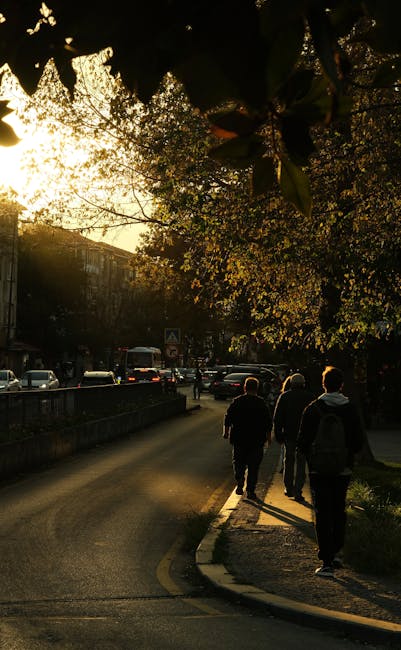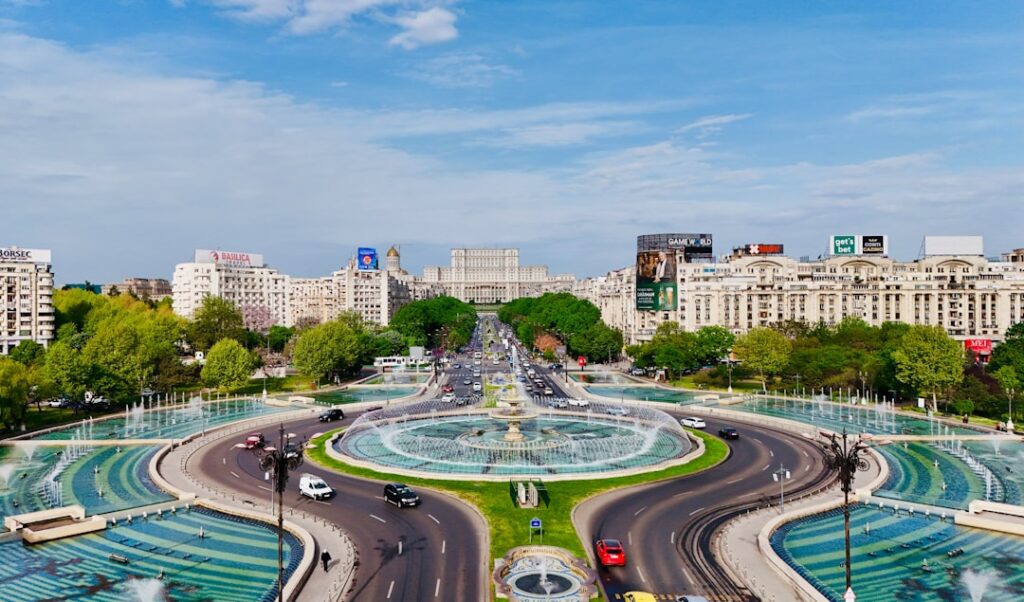






Introduction — Ferentari revisited: a neighborhood to discover differently
Ferentari, often reduced to media stereotypes, is a Bucharest neighborhood worth exploring beyond the clichés. Located in Sector 5 of Romania’s capital, Ferentari offers a striking mix of 19th- and 20th-century industrial architecture, working-class residential pockets, lively markets and informal public spaces where genuine encounters between residents happen. This guide aims to give a balanced view: a respectful, practical immersion tied to everyday life, with addresses, opening hours, prices and local tips to help you discover Ferentari safely and with curiosity.
The urban landscape here blends industrial remnants, small houses from the late communist era and contemporary apartment blocks, with facades often refreshed by citizen initiatives. Strolling through the neighborhood you’ll hear doorbells, pass small artisan workshops and come across market stalls where goods arrive early in the morning. This guide does not romanticize hardship: it presents social realities while showing how architecture, markets and local interactions create a vibrant urban fabric. We offer suggested routes, concrete places to eat, shop or meet, and recommendations for respecting residents and local customs.
The chapters below lay out the essentials to understand and appreciate Ferentari: the architecture and its transformations, local markets and shops, specific places for encounters and cultural activities, and practical advice for getting around and interacting. Each section includes full addresses, opening hours, price ranges in euros and immersive descriptions, plus local tips to make the most of your visit (best times, caution signs, courtesy codes). The information is written for the mindful traveler: whether you’re a photographer, urban researcher, volunteer or simply a curious walker, this guide helps you navigate Ferentari with respect and sensitivity.
Architecture: industrial legacies, working-class blocks and small urban interventions
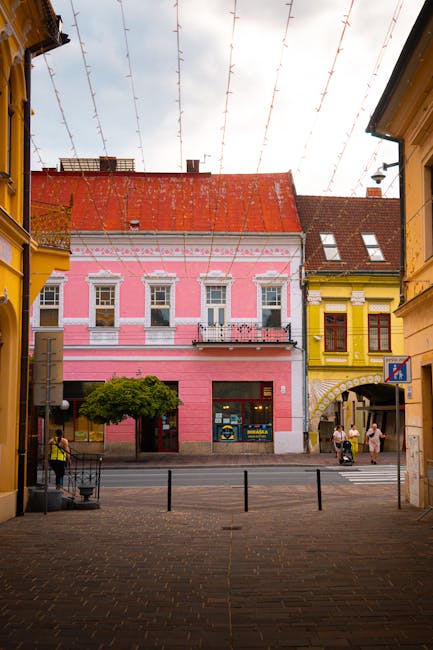
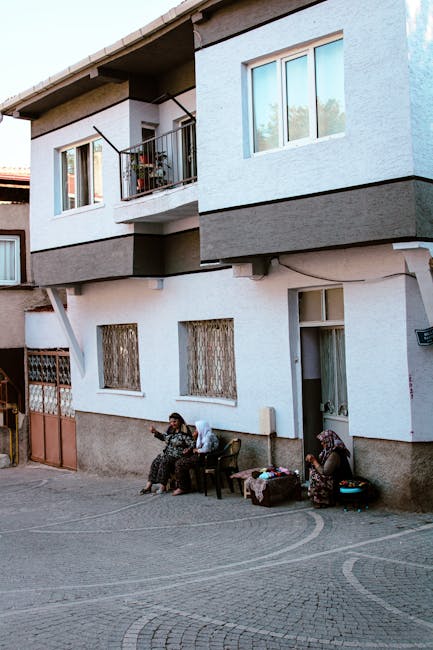
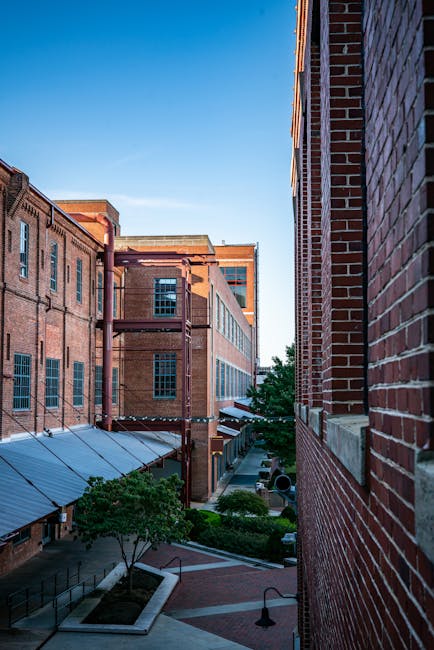
Ferentari bears the imprint of an industrial and working-class past. Start your architectural observations along Strada Ferentari, the neighborhood’s backbone: you’ll find disused metal workshops, repurposed warehouses and residential buildings from different eras. Walk from Strada Ferentari 75 to Strada Făgăraș 12 to see the shift from an industrial fabric into working-class housing. Architectural features include exposed brick facades, weathered metal gates and openings where communal gardens sneak in.
A recommended vantage point is the building known locally as “Bloc 23” at Strada Petre Ispirescu 34 (approx.). From there you can pick out the sequence of social housing and small artisan units. Note: some addresses are private property; always respect no-entry signs and ask permission before taking close-up photos of people or workshops. Local tip: in the mornings, between 08:00 and 10:00, many artisans open their doors; several are happy to show their work for a few euros as a gesture of exchange.
Recent urban interventions include wall murals and guerrilla gardening projects led by local associations. One of the most visible murals is near Piața Progresul, at the corner of Calea Ferentari 112 — a large community-painted mural inaugurated in 2019. It’s a clear example of how popular aesthetics transform space. Typical materials you’ll see are durable acrylic paints, reclaimed metal panels and metal sculptures produced in local workshops.
Observation tips: favor morning light for texture details (08:00–11:00) and dusk for street atmospheres (18:00–20:30 in summer). Areas to be cautious about include isolated industrial fringes at night; avoid venturing into them alone after 21:00. Visitors interested in industrial architecture can arrange a guided walk with the association based at Strada Ferentari 98 — « Asociația Ferentari Urbane » (visits by appointment: inquire locally, indicative price €10–15 per person for 1.5 hours).
Markets and shops: fresh produce, swaps and neighborhood commerce
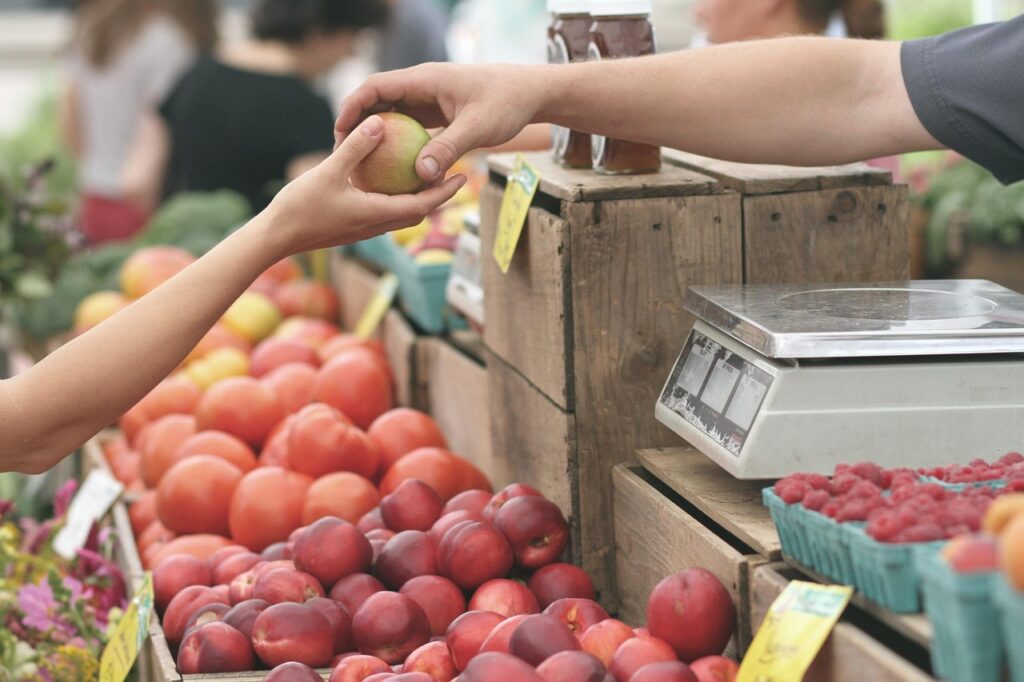
Ferentari’s markets are the neighborhood’s beating heart. The best-known local market is « Piața Ferentari » (Piața de alimente Ferentari), officially on Strada Ferentari 45-47. This local food market runs mainly in the morning: open 06:00 to 14:00 Monday to Saturday; closed on Sunday. Expect stalls with local fruits and vegetables, dairy products, homemade preserves and traditional breads. Indicative prices: artisan bread €0.60–1.20 each, local goat cheese €6–9/kg, seasonal tomatoes €1–2/kg.
Nearby, « Piața Progresul » (Calea Ferentari 150) is a larger market mixing food stalls with small clothing and household shops. Hours: 07:00–17:00 daily. Haggling is common here; as a foreign buyer you can usually get a 10–20% discount when buying several items, especially if you try a few words in Romanian (hello — « Bună ziua », thank you — « Mulțumesc »). Some vendors accept euros, but local currency (the leu) is used for most transactions; paying in lei is usually cheaper.
Small alternative market: the « Târgul de vechituri Ferentari » (Ferentari flea market), held occasionally on weekends in Parc Micro 17, Strada Mahatma Gandhi 3. Opening times depend on the organizer (typically 09:00–15:00 on Saturdays). Prices: trinkets and vintage items €1–20, second‑hand clothes €2–15. Sellers are often locals who enjoy telling the stories behind their objects — a great chance for responsible shopping and meeting people.
Practical tips: bring reusable bags, small change (coins or notes of €1–10 or the lei equivalent), and always ask about product origin if you’re looking for organic or locally made items. Markets close early: for the best selection, arrive between 07:30 and 09:30. If you want to buy larger quantities (cheeses, cold cuts), ask the vendor to prepare a tasting basket: indicative price €8–15 depending on the selection.
Local encounters: cafés, associations and meeting places
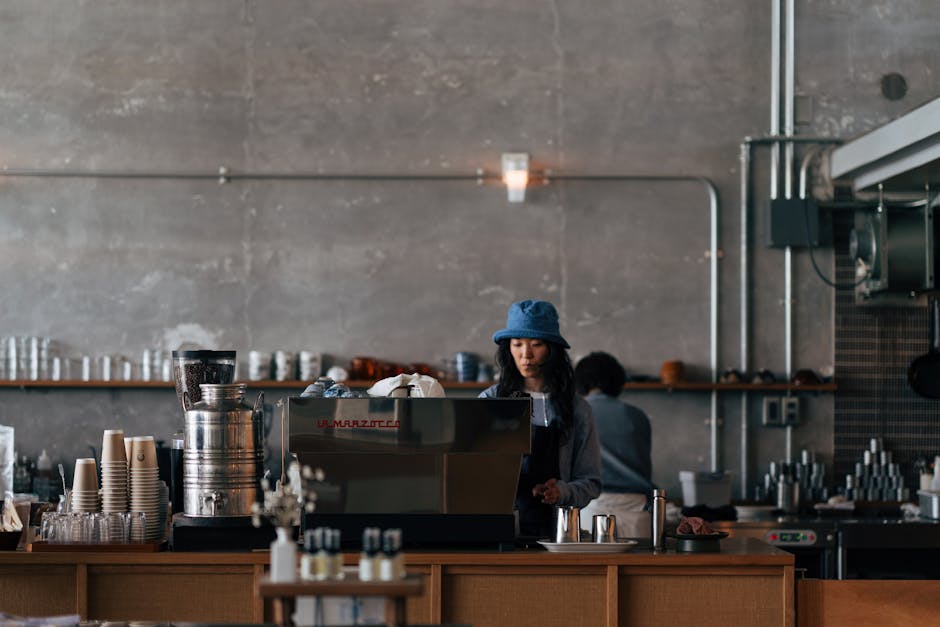
You’ll meet Ferentari residents mostly in informal spaces: cafés, workshops, neighborhood associations and hair salons. A recommended spot for an authentic break is « Café La Țeava » at Strada Petre Ispirescu 12. Hours: 08:00–20:00 daily. Prices: espresso €0.80–1.20, filter coffee €1.50–2.50, homemade sandwiches €2–4. The atmosphere is friendly and the owners are often happy to chat about the area and share anecdotes.
For volunteering or cultural exchange, contact « Asociația Ferentari Comunitate » (Strada Călărași 76). This association runs language workshops, community cooking sessions and arts projects. Exact address: Strada Călărași 76, Sector 5, București. Office hours: 10:00–18:00 Monday to Friday. Fees: workshop participation €3–10 depending on duration. Early registration is recommended; many activities are bilingual Romanian/English.
Another meeting place is « Atelier Metalic Ferentari » (Atelierul Metal Ferentari) on Strada Ziduri Moși 21, where metal artisans teach and exhibit recycled metal pieces. Visiting hours: by appointment between 09:00 and 16:00, Tuesday to Saturday. Price for a workshop tour + demonstration: €7–12 per person. These visits are ideal to learn local artistic recycling techniques and to buy unique objects at fair prices (pendants €5–15, small sculptures €20–50).
Meeting tips: be punctual for appointments, ask permission before filming or photographing, and offer a small gesture (a coffee, a few euros) in exchange for someone’s time. Richer exchanges take time: joining a workshop or visiting the same café a few times builds familiarity that opens up deeper conversations.
Getting around, safety and practical tips for a respectful stay
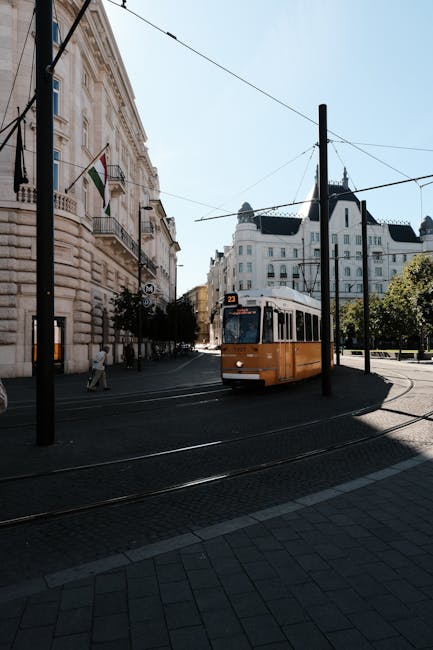
Getting around Ferentari is straightforward but requires some common-sense precautions. The neighborhood is served by several public transport lines: tram 23 (stop Calea Ferentari), buses 116 and 313 (stop Piața Progresul). Single urban tickets cost around €1.30 (converted from lei; buy at kiosks or machines). For more convenience, get a rechargeable transit card (RATB/STB card) at major stations; initial cost is about €1–2.
If you arrive by car, parking can be limited. Main streets like Calea Ferentari and Strada Ferentari have paid parking zones (approx. €0.50–1/hour). Many visitors prefer to combine metro + bus/tram: the nearest metro station is « Piața Sudului » (line M2), reachable by a 10–15-minute bus/tram ride.
On safety: Ferentari, like any large urban district, has areas to avoid at night. Stay away from isolated alleys after 21:30 and stick to main roads and busy spots. Pickpocketing occurs but isn’t pervasive; keep valuables out of sight and avoid flashing cash. During daytime, feel free to walk around, but stay aware: if a situation feels uncomfortable, change course and head to a public place (café, shop or market).
Extra practical tips: always carry some cash (€5–20) for small purchases; learn a few Romanian phrases (« Bună ziua » — hello; « Vă rog » — please; « Mulțumesc » — thank you) — they open doors. Respect private spaces and ask permission before photographing people. Finally, to extend a visit safely, consider an organized guided walk (€10–20 per person for about 2 hours) with a local association: it’s an excellent way to gain informed, responsible insight into the neighborhood.
Conclusion — Ferentari: a multifaceted neighborhood to read closely
Ferentari is a layered urban area: its buildings tell an industrial past, its markets narrate daily life and its meeting places offer remarkable human encounters. Visiting Ferentari requires curiosity, but also respect and caution. This guide aimed to provide concrete information — addresses, hours, prices and tips — so your approach is informed and sensitive. By mixing architectural walks, market shopping and interactions in cafés or workshops, you’ll discover a neighborhood far from stereotypes, rich in stories and local initiatives.
To recap the practical points: explore mainly in the morning for markets and best architectural light, stick to main streets for safety, use public transport (tram 23, buses 116/313, metro Piața Sudului) to avoid parking headaches, and connect with local associations for guided walks and workshops. The prices quoted (€0.60–1.20 for a loaf of bread, €6–9/kg for local cheese, €7–15 for visits/workshops, etc.) are indicative and vary with season and demand.
Above all, encounters are the most valuable aspect: take time to listen, offer a coffee or conversation, and join community initiatives if you can. Ferentari reveals itself to those willing to observe and engage — not as a tourist curiosity but as a living neighborhood. By following these recommendations, you’ll help create a positive and lasting connection with the area and its people.