





Introduction: Why Explore Bucharest on Foot — Immersion, Discoveries and Little Surprises
Bucharest, Romania’s capital, is a city of striking contrasts where neoclassical architecture, massive communist-era blocks and winding medieval lanes stand side by side. Walking around Bucharest isn’t just a practical way to tick off the main sights — it’s the richest way to get under the city’s skin. On foot you can linger over ornate façades, overhear the local language, slip into tucked-away cafés and feel how the mood changes from one neighborhood to the next. This guide is written for travelers who want to discover Bucharest on foot, with a mix of structured routes and free strolls, along with practical info, exact addresses, opening times, prices in euros and local tips.
I offer several routes covering the must-sees (the Palace of the Parliament, the Lipscani Old Town, the Village Museum), cultural walks (the Romanian Athenaeum, the National Museum of Art) and gentler outings (parks and elegant boulevards). Each route lists start and end points, estimated durations, recommended stops and alternatives if it rains or you need to shorten the walk. Prices are shown in euros and reflect average rates at the time of writing; they may vary (discounts for students/seniors or combined tickets are common). Addresses are precise to help you use maps and GPS, and opening hours follow usual schedules — always double-check official sites before you go, especially during high season or public holidays.
Beyond museums and monuments, I highlight cafés and restaurants worth a break, safety advice, how to use the metro and trams, and tips on avoiding peak crowds or catching the best light for photos. You’ll also find local pointers — when to ask for a « ceai » (tea) or a « cafea »; which traditional snacks to try (sarmale, papanași); and how to haggle politely at markets. The suggested routes are flexible: you can shorten them, combine them, or extend them by adding interior visits.
To help you capture the most photogenic spots I’ve added visual cues (image markers) at the best viewpoints — squares, façades, parks and interiors. These markers describe each subject precisely (e.g. « Palace of Parliament exterior wide view at midday ») to help you find the best angles or search for inspiring images on photo banks. Ready to lace up your boots and feel Bucharest’s pulse under your feet? Let’s go: here are several carefully curated walking routes to explore Bucharest in depth.
Route 1 — Historic Center (Lipscani): 2–3 hours, dive into medieval and urban Bucharest
Start your walk in Bucharest’s historic heart, the Lipscani district — the bustling hub of narrow shopping lanes and buildings dating from the 15th to 19th centuries. Recommended starting point: Piața Unirii (Unirii Square) on Bulevardul Unirii. From there, head to Strada Lipscani and lose yourself in the narrow alleys where cafés, bars and craft shops sit alongside old churches.
Highlights:
- Biserica Stavropoleos (Stavropoleos Church) — Address: Strada Stavropoleos 4, sector 3, București. Hours: typically open 09:00–17:00 (services may affect access). Price: free entry; donations welcome. Description: an 18th-century Orthodox church known for its carved woodwork, peaceful courtyard and photogenic interior frescoes. Tip: climb to the small religious bookshop at the back for postcards and local icons.
- Strada Lipscani — the main historic artery. Description: cobbles, colorful façades, small galleries and antique shops. Stop by artisan workshops, try a pastry and enjoy the terraces. Prices: most shops are free to browse; café prices around 1–4 EUR for an espresso or small cake.
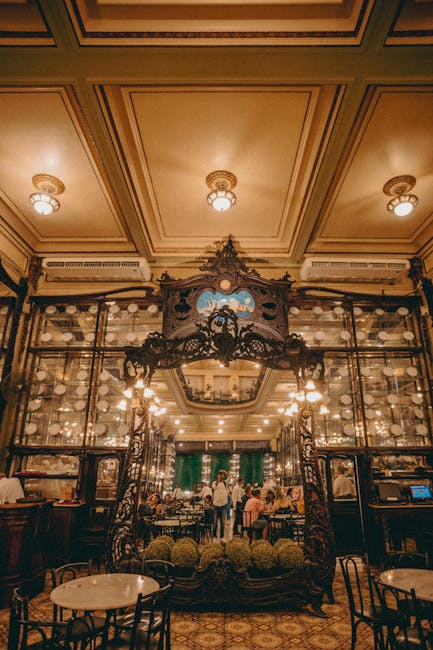
- Caru’ cu Bere (traditional restaurant) — Address: Strada Stavropoleos 5, sector 3, București. Hours: 11:00–23:00 (seasonal variations). Price: main courses 8–20 EUR. Description: historic tavern with ornate Art Nouveau décor, hearty Romanian service, live music and filling dishes (sarmale, ciorbă). Tip: book for the evening — it often fills up.
- Muzeuțul Bucureștilor and the Lanes — Several small galleries and local museums sit around Lipscani. Example: Muzeul Curtea Veche (Old Princely Court) — Address: Strada Franceză 25. Hours: 10:00–18:00, closed Monday. Price: about 3–5 EUR. Description: medieval ruins and an exhibition about historic Bucharest.
Practical tips: avoid very isolated lanes at night; stick to daytime or early evening. For crowd-free photos, arrive early (08:00–09:30) or after 20:30 when tourists thin out. The area is very walkable, but watch out for slippery cobbles in winter or after rain. For a sweet treat, try papanași (cheese doughnuts) near the Obor covered market (a few tram stops or a 20–30 minute walk east).
Route 2 — Bulevardul Unirii and the Palace of the Parliament: 2 hours, communist grandeur and sweeping views
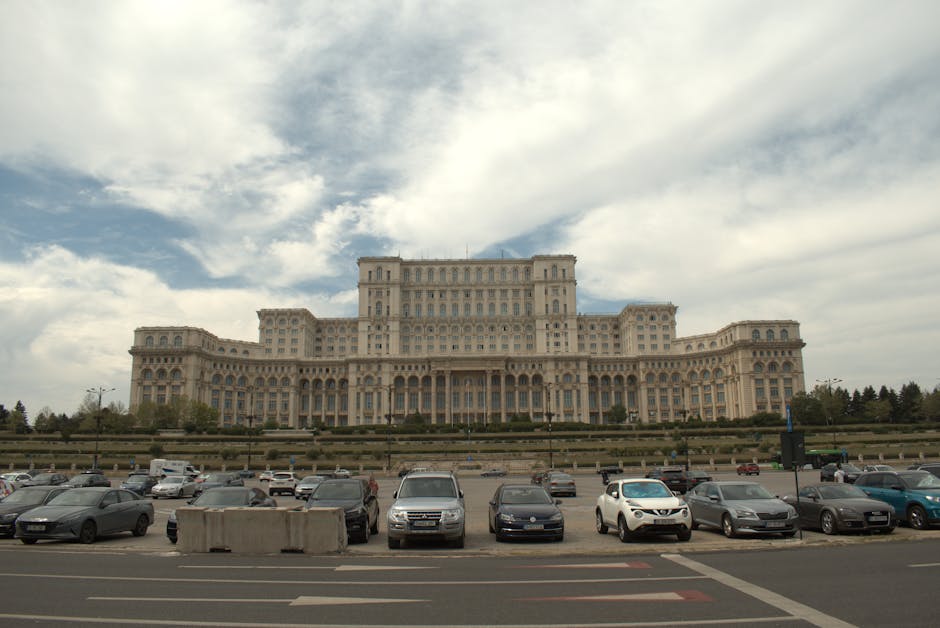
From Piața Unirii, follow the monumental axis of Bulevardul Unirii to the giant at the center: the Palace of the Parliament (Palatul Parlamentului), one of the world’s largest administrative buildings. This route focuses on the urban planning of the Ceaușescu era and how it shaped the city.
Highlights:
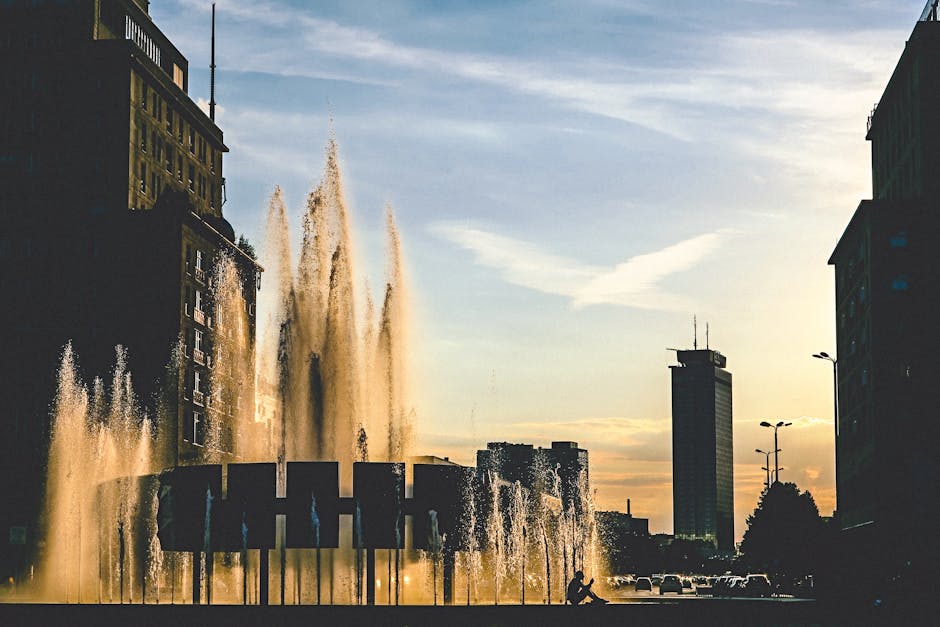
- Piața Unirii (Unirii Square) — Address: Piața Unirii, București. Description: large fountains and the Unirii metro station (lines M1, M2, M3). Take time to notice the mosaics and modernist façades along the esplanade. Tip: the Unirii metro station links easily to the airport via metro transfers.
- Bulevardul Unirii (Boulevard of Union) — Walk the avenue, admire the massive buildings and the nighttime lighting. The walk to the Palace takes about 20–30 minutes at a leisurely pace with frequent photo stops.
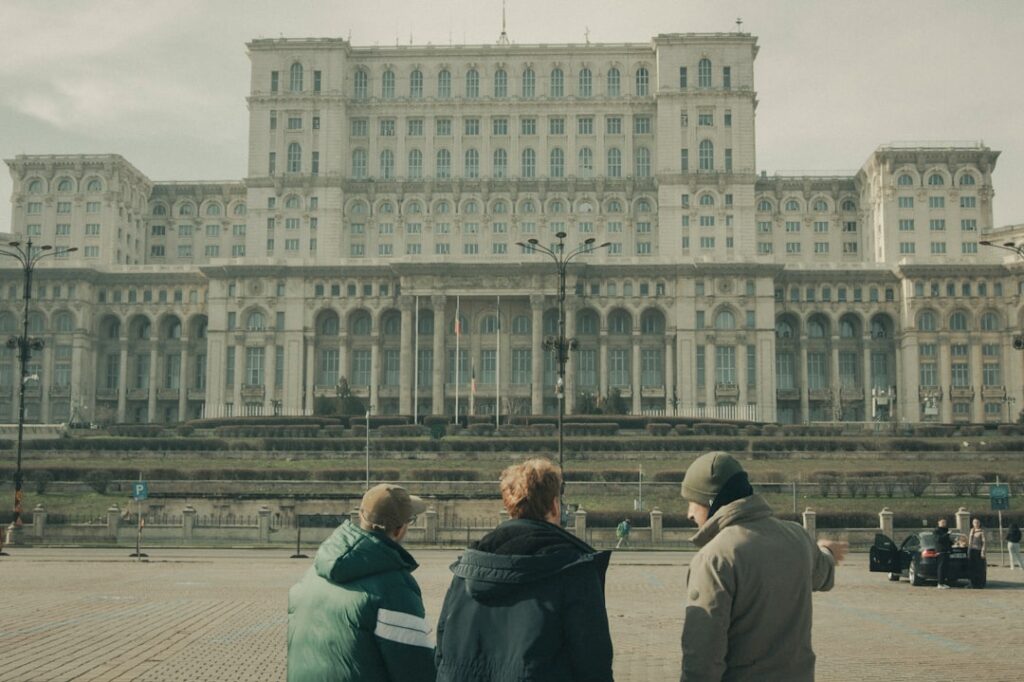
- Palatul Parlamentului (Palace of Parliament) — Address: Strada Izvor 2-4, sector 5, București. Guided tour hours: usually 10:00–16:00, tours in English/Romanian at set times; closed on some days (check ahead). Price: guided tours roughly 8–20 EUR (varies by circuit and private guides; student/senior discounts around 4–10 EUR). Description: a colossal building constructed mainly between 1983 and 1997 with large, richly decorated rooms and monumental staircases. Don’t miss the view from Piața Izvor and the façades from the esplanade.
Practical tips: buy tickets online in advance where possible to avoid queues, and arrive 15 minutes before the tour start. Tours sometimes require ID and prohibit large backpacks; use luggage storage if needed. For a gentler alternative, visit the National Museum of Romanian History (Muzeul Național de Istorie a României) — Address: Calea Victoriei 12, hours 10:00–18:00, price 3–7 EUR. Afterward, head back toward Lipscani for dinner or coffee.
Route 3 — Calea Victoriei and the Romanian Athenaeum: 2.5–3 hours, elegance and the arts
Calea Victoriei is one of Bucharest’s most elegant avenues, lined with boutiques, museums and monuments. This route focuses on the city’s cultural and heritage scene, from Piața Victoriei to the Romanian Athenaeum and the National Museum of Art.
Highlights:
- Piața Victoriei (Victory Square) — Address: Piața Victoriei, București. Description: a central crossroads with good transport links; start here to explore nearby museums. Tip: enjoy a coffee on the terraces to the east before you set off. Café price: 1–3 EUR.
- Muzeul Național de Artă al României (National Museum of Art of Romania) — Address: Calea Victoriei 49-53, sector 1, București (housed in the former Royal Palace). Hours: 10:00–18:00, closed Monday. Price: permanent collection about 4–8 EUR, temporary exhibitions 5–12 EUR. Description: major collections of Romanian paintings, sculptures and European galleries. Tip: visit the Romanian masters’ rooms for a deep dive into national art history.
- Ateneul Român (Romanian Athenaeum) — Address: Strada George Enescu 1, sector 1, București. Hours: exterior always accessible; concerts and interior tours depend on programming (guided visits usually 10:00–17:00). Price: interior visit 3–7 EUR, concerts 5–40 EUR depending on seat and event. Description: the city’s iconic concert hall with wall frescos and neoclassical architecture — book a performance if possible to experience its famous acoustics. Tip: buy concert tickets in advance for popular philharmonic shows.
- Strada Lipscani & small galleries — On your way back south, explore hidden art galleries and tearooms on the side streets. Price: gallery entry free; purchases depend on the artwork.
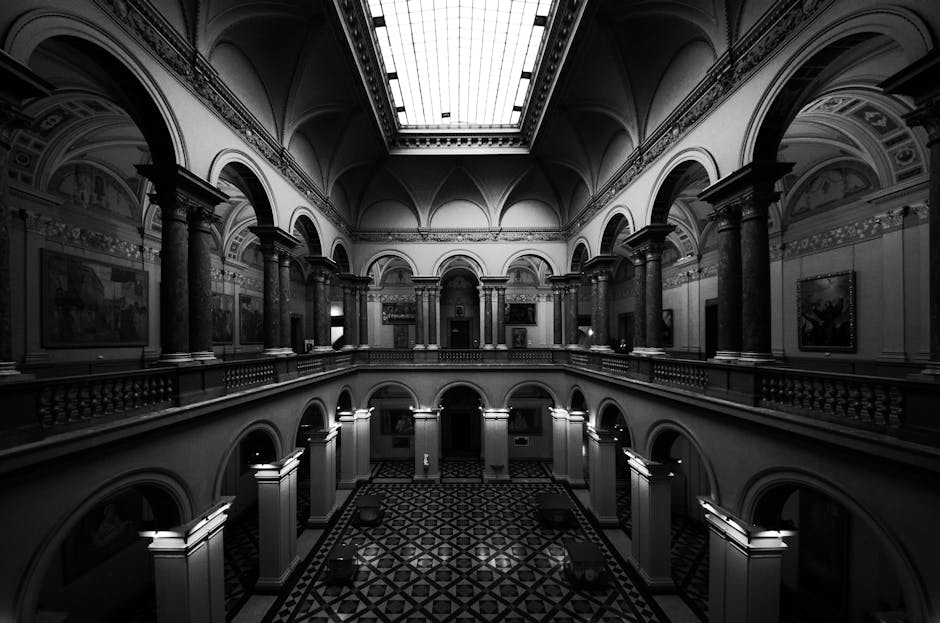
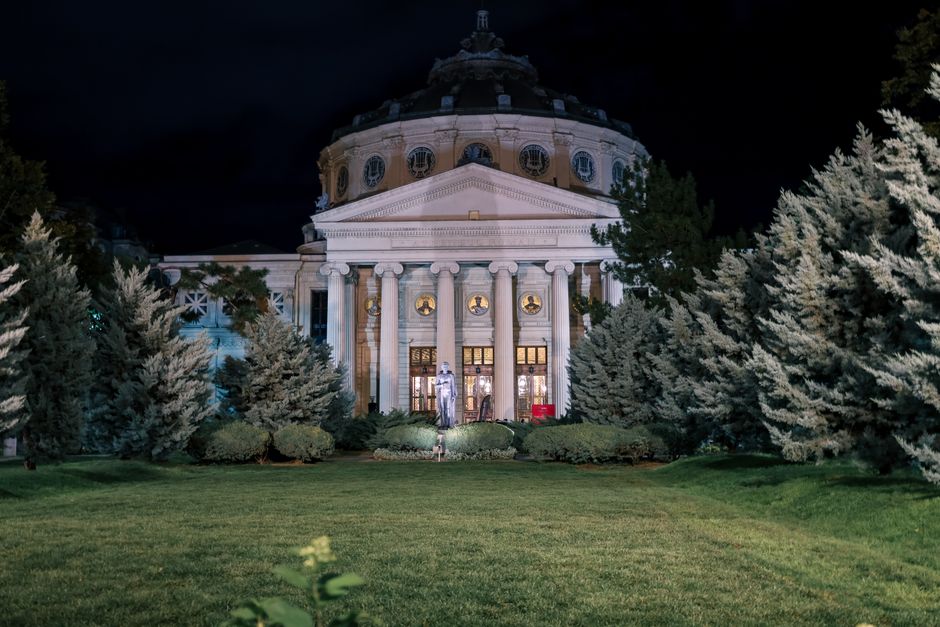
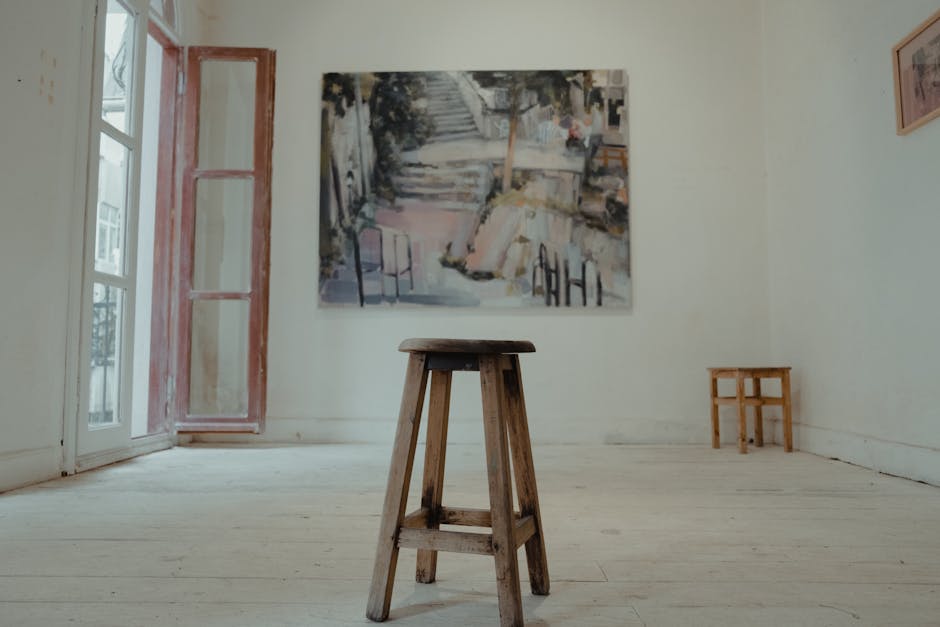
Practical tips: Calea Victoriei is perfect for a slow, relaxed stroll. If you like shopping, keep an eye out for small Romanian design boutiques and specialist bookshops. For a classic lunch, try « Lacrimi şi Sfinți » (address: Strada Șelari 16, approximate prices 8–18 EUR) for modern Romanian cuisine. At dusk the lit Athenaeum makes a superb photo subject — the best light is just after sunset.
Route 4 — Herăstrău Park and the Village Museum: 3 hours, nature and rural traditions close to the city
For a green break and a taste of traditional Romania, head north to Herăstrău Park (now King Michael I Park) and the Dimitrie Gusti National Village Museum. This route mixes outdoor walking, pedal boat rentals in summer and a stroll among authentic rural homes.
Highlights:
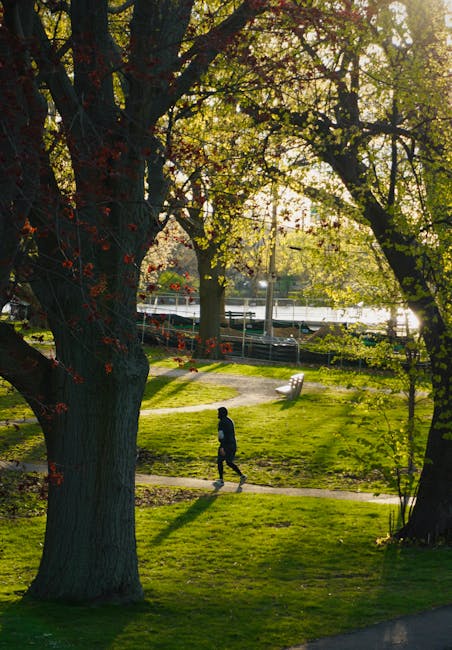
- Parcul Herăstrău / King Michael I Park — Address: Șoseaua Kiseleff, sector 1, București. Hours: park accessible 24/7; attractions and restaurants have varying hours. Description: a large lake, cycling paths and pedal boat rentals in summer (about 3–8 EUR / 30 minutes). Tip: start early for a quiet jog or a lake-side coffee before the crowd arrives.
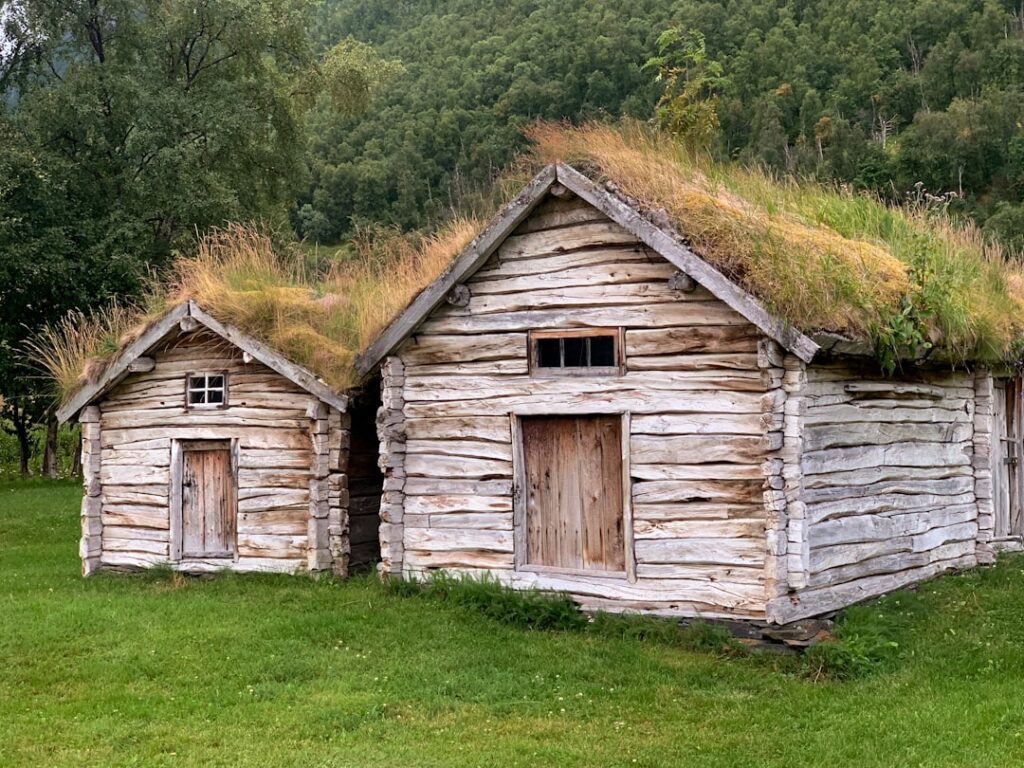
- Muzeul Național al Satului « Dimitrie Gusti » (Village Museum) — Address: Șoseaua Pavel Dimitrievici Kiseleff 28-30, sector 1, București. Hours: usually 09:00–17:00 or 18:00 depending on season, closed some winter days — check the official site. Price: entry around 3–6 EUR (reduced rates for students/children). Description: an open-air museum with houses, churches and barns from different Romanian regions, moved and reconstructed on site. It’s an immersive look at traditional building techniques and rural life. Allow at least 1h30 for the visit.
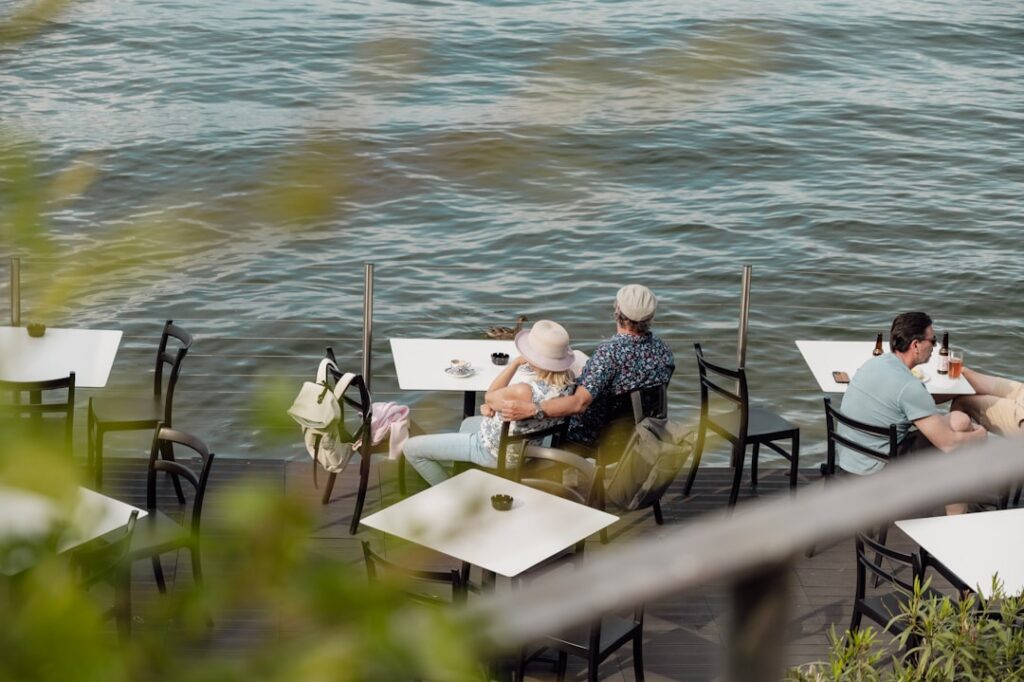
- Walk around the lake and lunch — The park has several restaurants and cafés: for example « Restaurant Pescarus » on the lakeside avenue (terraces, grilled fish). Price: dishes 10–20 EUR. Description: a relaxing spot for a post-visit lunch. Tip: choose a lakeside terrace for the view.
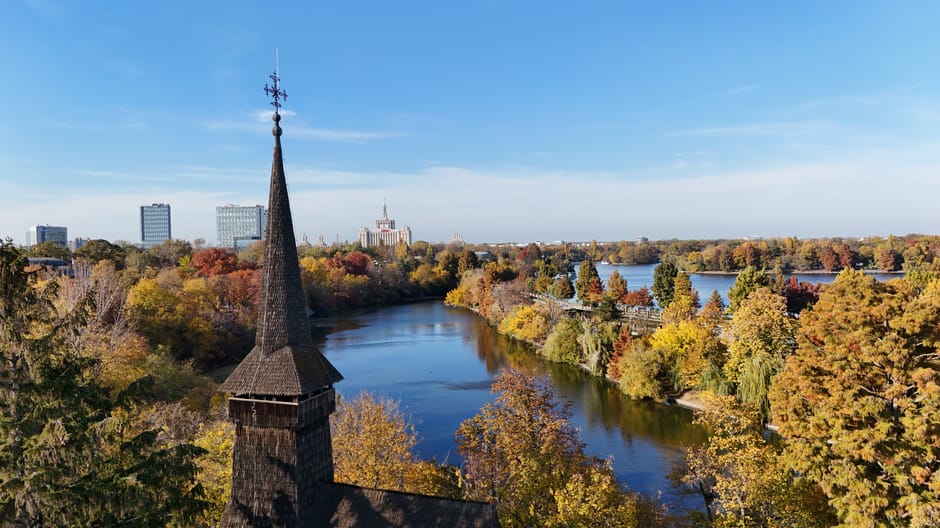
Practical tips: combine this outing with a visit to the nearby Museum of Contemporary Art (if open) or a stop at Kiseleff Park to see quieter monuments. In summer bring a water bottle (0.5–1.5 EUR on site) and wear comfortable shoes: the museum paths include gravel and grass. Buses and trams serve the area; Aviatorilor metro station (line M2) is a 10–15 minute walk from the park.
Conclusion: Final Tips on Safety, Budget and Practical Advice
Walking is one of the best ways to get to know Bucharest. The routes suggested here cover very different experiences: the historical and gastronomic bustle of Lipscani, the vastness of the Palace of the Parliament, the cultural elegance of Calea Victoriei and the calm of Herăstrău Park and the Village Museum. To sum up and help you plan your stay:
- Budget guide: expect to pay about 1–3 EUR for a coffee, 5–15 EUR for a meal at a good local restaurant, and 3–8 EUR for most museum entries. A guided tour of the Palace of the Parliament runs around 8–20 EUR depending on the route. Allow a little extra for tips (5–10% in restaurants; rounding up for taxis or independent guides).
- Opening times & bookings: always check official hours online before visiting (museums, concerts, restaurants) — many venues close on Monday. Book Athenaeum concerts and popular guided tours in advance, especially in high season (May–Sept).
- Transport & safety: Bucharest is generally safe for pedestrians, but stay alert for pickpockets in very busy tourist areas. Use the metro for longer trips: Unirii, Piața Victoriei and Aviatorilor are central stations. Official metered taxis are affordable; always agree a price or ask for an estimate before getting in.
- Local tips: try specialties like sarmale (cabbage rolls), ciorbă (sour soups) and papanași (dessert). For an authentic coffee experience, order a « cafea la ibric » in traditional cafés. Romanian is a Romance language — a few words (hello = bună ziua, thank you = mulțumesc) go a long way with locals.
- Seasonality: in summer terraces and parks fill up — aim for early morning or dusk for photos. In winter dress warmly — cobbled streets can be slippery, so sturdy shoes are essential.
In short, Bucharest offers a surprising variety of walks: historic, cultural, green and tasty. Each street tells a story, every façade hides an anecdote, and the best way to piece it all together is to walk, listen and stop. Whether you have a few hours or several days, adapt these routes to your pace. Bring your camera, your curiosity and good shoes — Bucharest unfolds slowly on foot, and often the best discoveries are the unplanned ones. Safe travels and happy walks in Romania!