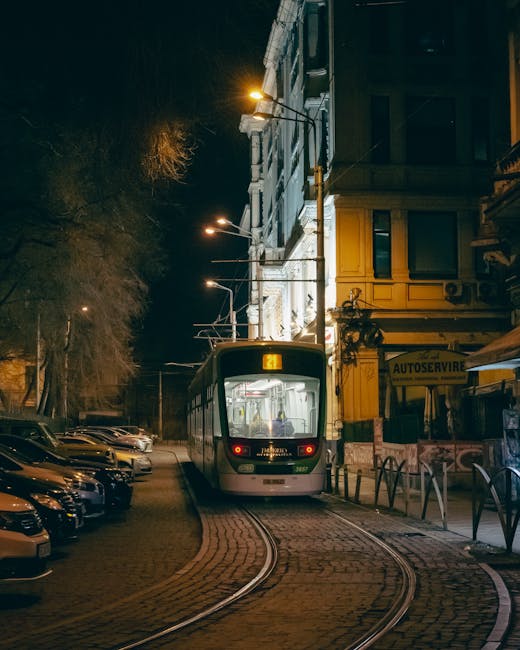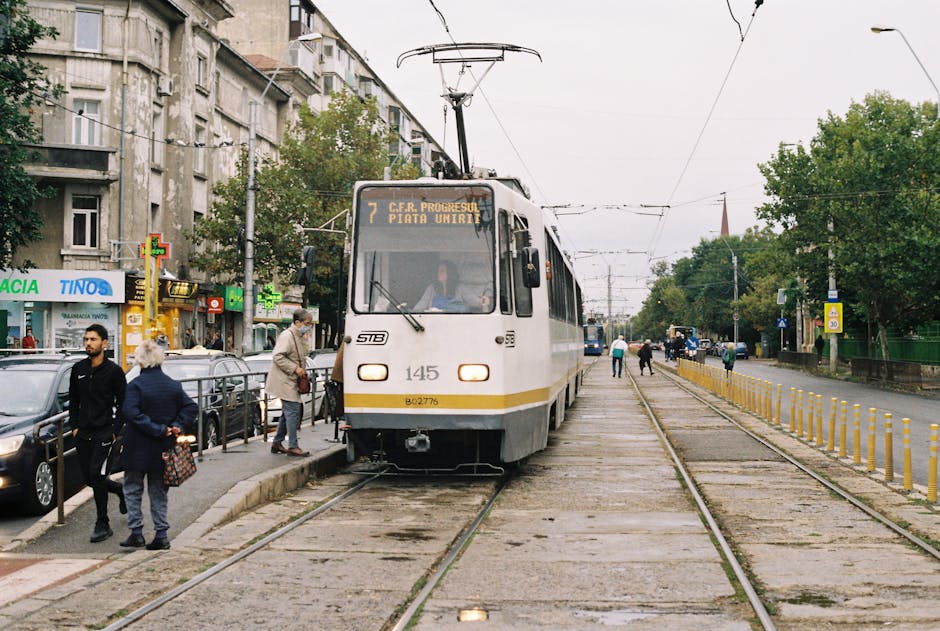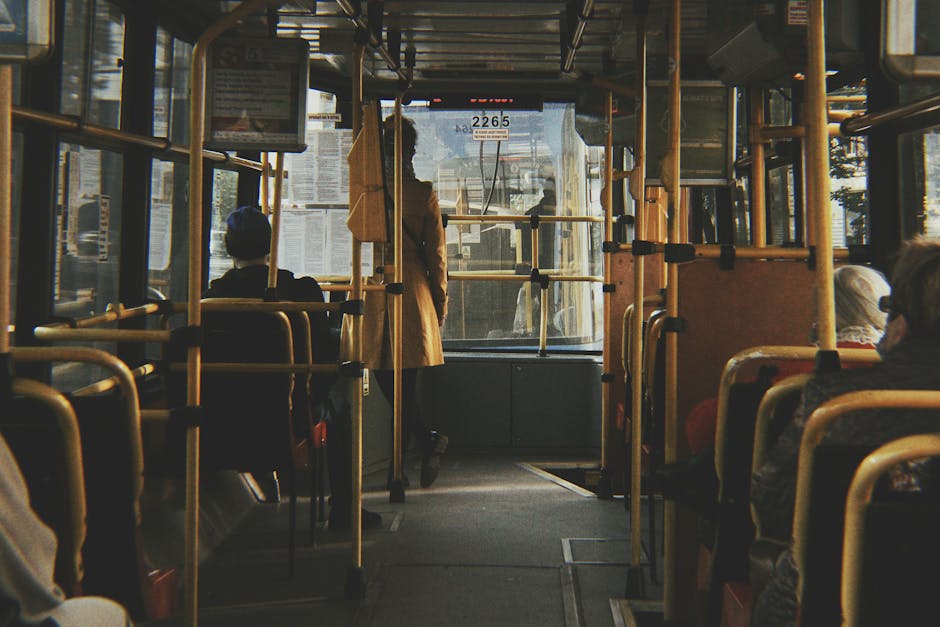






Introduction — Why this guide to buses and trams in Bucharest will be indispensable
Bucharest, Romania’s lively capital, is a city where modern life and historical traces sit side by side on every corner: wide, Haussmann-style boulevards, Art Deco buildings, serene parks and working-class neighborhoods undergoing rapid change. For the curious traveler, public transport—especially buses and trams—is more than just a way to get around: it’s a window onto daily life, an affordable and efficient way to soak up local atmosphere and reach neighborhoods beyond the usual tourist loop. This comprehensive guide aims to give you practical and cultural keys to use Bucharest’s bus and tram network with confidence.
You’ll find practical info on tickets, prices shown in euros (with conversion cues), typical schedules, main interchange hubs, and detailed descriptions of essential lines and stops. I’ll also list exact addresses for key landmarks (stations, squares, agencies), safety tips, tricks to avoid queues, and how to combine bus, tram and metro to make the most of your journeys. Riding buses and trams lets you see the city differently: notice the crumbling façades that tell the story of the 20th century, spot young professionals on modernized vehicles, and discover small neighborhood shops where you can stop for a coffee or a placinta.
Bucharest’s buses and trams are mainly operated by STB SA (Societatea de Transport București), with major terminals and connections like Gara de Nord (the main train station), Piața Universității, Piața Unirii, Piața Victoriei and Calea Victoriei. Schedules vary by line and time of day; most daytime services run roughly from ~05:00 to ~23:00, while a network of night lines (N-lines) covers the overnight hours. Fares are modest compared to Western Europe, which makes public transport a smart choice for budget-conscious travelers. We’ll show prices in euros with an indicative conversion (approximate rate used: 1 RON ≈ €0.20 — check the rate on your travel day).
Finally, this guide includes local tips: how to validate your ticket, where to buy passes, which stops to favor for visiting specific neighborhoods, and how to read route signs. I’ll suggest practical itineraries to reach particular sites (museums, parks, markets) from major stations or squares, along with some onboard etiquette tips (exact change, giving up seats for the elderly, using the right doors). Whether you’re staying a short time or longer, sightseeing or doing slow travel, mastering Bucharest’s bus and tram network will enrich your experience. Enjoy the read—and happy urban travels!
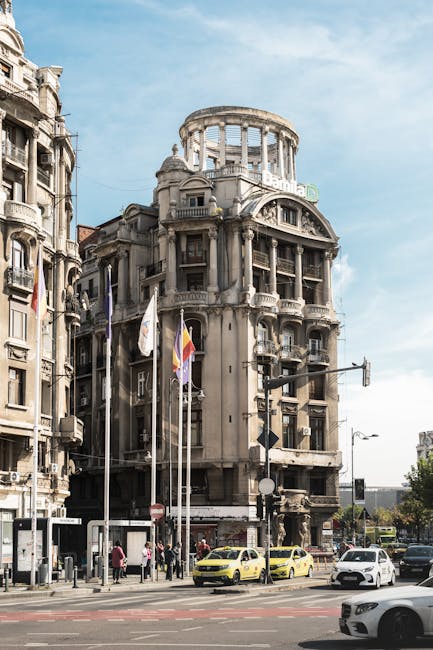
Network, operators and vehicle types — understanding the transport offer
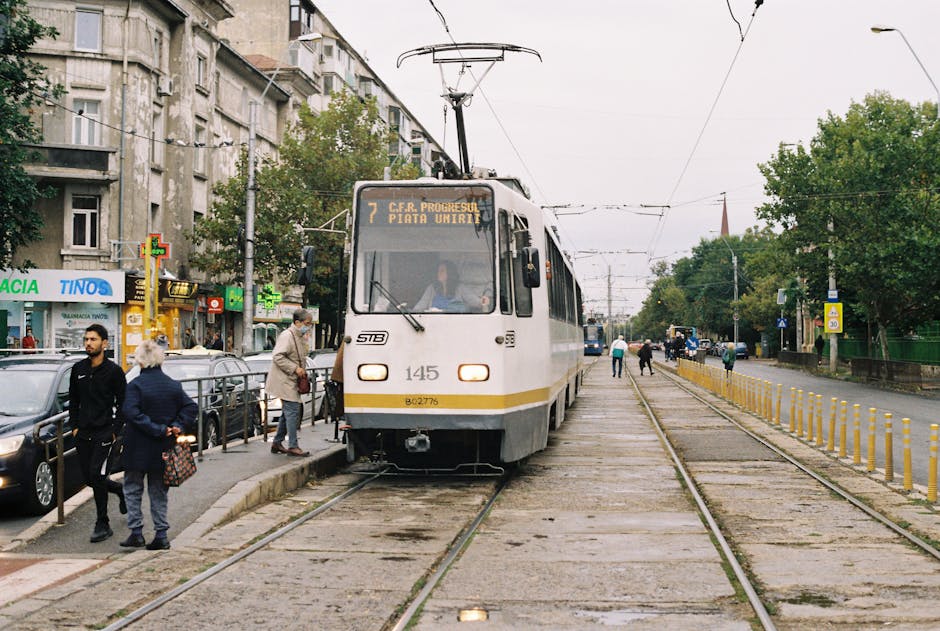
Bucharest’s surface network is mainly run by STB SA (Societatea de Transport București). STB manages an extensive web of bus and tram lines serving all municipal sectors of the capital. Trams mostly run along boulevards and dedicated lanes in some central areas, while buses serve both major arteries and residential or suburban zones.
The types of vehicles you’ll encounter vary widely: you’ll see historic trams (old Tatra and refurbished V3A units), modern articulated trams (Skoda chassis, Astra upgrades), standard diesel buses and newer articulated buses, as well as natural gas buses and a few electric vehicles in trial. Vehicle condition can vary: in the city center newer rolling stock runs on high-traffic and tourist lines; in outlying districts you may find older vehicles. That said, STB has invested heavily in modernizing the fleet in recent years.
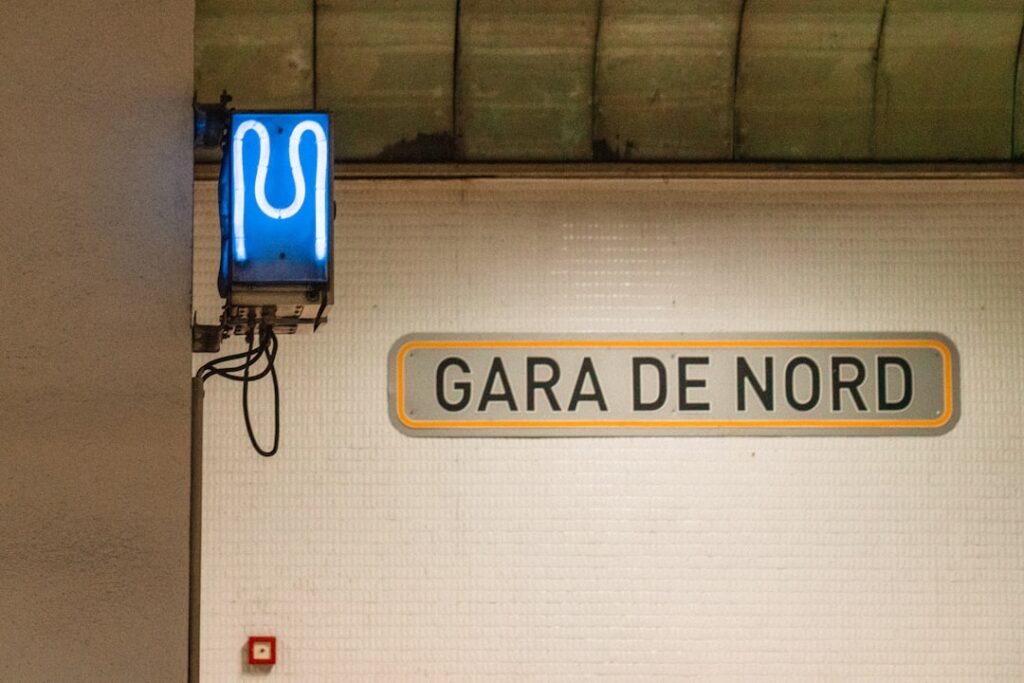
Connections with the metro (operated by Metrorex) happen at strategic hubs: Piața Unirii (Unirii 1-2-3 metro), Piața Victoriei (Victoriei 1-2), Piața Romană (Romană), and Gara de Nord (Gara de Nord 1 metro). Example useful addresses: Gara de Nord — Piața Gării de Nord 1, Sector 1, București 010264 (handy for planning and taxis). If you arrive by train, Gara de Nord is one of the main terminals where you can catch numerous bus lines (e.g. the express 780 bus to the airport) and local trams.
Typical hours: most daytime lines run approximately between 05:00 and 23:00. Peak frequencies (07:00–09:30 and 16:30–19:00) can be high (every 5–10 minutes on main lines), while off-peak wait times may stretch to 15–30 minutes. The night network, operated by lines starting with N (or other night-designated numbers), runs roughly 23:00–05:00, with reduced frequencies (30–60 minutes). For exact schedules, check the STB timetables posted at each stop or use the official STB app/Google Maps.
Tickets, fares and passes — how to pay and save
Getting your head around fare options is essential to travel with peace of mind. At the time of publication, STB offers several ticket types: single-ride ticket, ticket booklet, 24-hour ticket, 72-hour pass, and monthly subscriptions. Prices change, so we give euro benchmarks with an indicative conversion (1 RON ≈ €0.20) — check the exact price at the machine or local counter.
- Single-ride ticket: about 1.30 RON ≈ €0.26. Valid for one trip on bus/tram for a limited duration (often 60–90 minutes depending on STB rules).
- 24-hour ticket: around 8.00 RON ≈ €1.60. Ideal for a day of heavy exploration (unlimited transfers for 24 hours from first validation).
- 72-hour ticket: approximately 25.00 RON ≈ €5.00. A good option for a short three-day stay.
- Monthly subscription: price varies by zones and concessions, typically between 50–70 RON ≈ €10–€14 for city-wide access. Students and seniors can often get reduced fares with ID.
Where to buy: tickets at machines (found in metro stations and some major stops), STB ticket offices, newspaper kiosks (chiosc), and via partner mobile apps (STB Pay/e-ticket). Once purchased, validate your ticket in the on-board validator (when boarding) or at station turnstiles. Not validating = risk of fine if checked (inspectors operate regularly).
Practical buying and usage tips:
- Always carry an ID for subscriptions and reduced fares.
- For heavy sightseeing days, opt for the 24-hour or 72-hour ticket; they’re very cost-effective compared with multiple single rides.
- Keep your ticket until you exit so you can show it during checks. Fines for invalid tickets can be substantial (variable, often several tens of euros).
- If traveling with bulky luggage or a stroller, let the driver know; they’ll point out the easiest access.
Practical routes and connections — get around like a local
Here are practical routes and combinations to reach major places from busy hubs. These routes favor speed and simple transfers between bus/tram + metro, and include exact addresses and approximate travel times.
1) From Gara de Nord (Piața Gării de Nord 1, Sector 1) to Piața Unirii (Piața Unirii, Sector 3): Take the tram or the metro (metro lines M1/M2 depending on the transfer). By tram, several lines partly cover the route via Calea Victoriei in 25–35 minutes depending on traffic. By metro, at Gara de Nord (station « Gara de Nord 1 ») take line M1/M4 depending on direction, then change at « Unirii » — total journey 10–15 minutes. Ideal for reaching the National History Museum or the Palace of Parliament.
2) From Piața Victoriei (Piața Victoriei 1, Sector 1) to the Romanian Athenaeum (Strada Benjamin Franklin 1-3, Sector 1): Several trams run along Victoriei and Calea Victoriei; walking 10–12 minutes along Calea Victoriei is a scenic option (museums, official buildings). Local bus and tram lines offer direct links or a short transfer. Timings: central lines run every 6–12 minutes at peak times.
3) From the city center to Henri Coandă Airport (Aeroportul Internațional Henri Coandă Otopeni, Sos. București-Ploiești 1): Express bus 780 (operated by STB in cooperation) departs Gara de Nord to the airport; journey time about 40–60 minutes depending on traffic. Price: about 8–10 RON ≈ €1.60–€2.00 (check before departure). Alternative: taxi or rideshare (budget €15–€30 depending on time and traffic).
Tips for transfers:
- Allow time for delays during peak hours (add 10–15 minutes during festivals or demonstrations).
- Use route boards at stops: they show terminal directions for each line, handy if you don’t speak Romanian (look up the line number and the end-station name).
- For a sightseeing route, combine tram plus walking: many neighborhoods (Lipscani, Calea Victoriei, and the Carol Park area) are best explored on foot after a short tram ride.
Safety, best practices and local tips — travel smart in Bucharest
Bucharest is generally safe for travelers, but common-sense precautions and a few habits will greatly improve your experience. Here are practical tips, based on local observation, for bus and tram travel.
- Personal belongings: Keep your bag closed and carry it in front of you during busy times (rush hour, tourist hotspots). Pickpockets often target distracted tourists on crowded vehicles.
- Ticket validation: Always validate. Random checks are common and fines are enforced strictly. If an inspector asks to see your ticket, present it calmly.
- Cash: Have small coins and bills in RON to buy tickets at kiosks or from drivers (where accepted). Ticket machines and kiosks often take cards. Euro prices shown here are conversions; the local currency is the Romanian leu (RON).
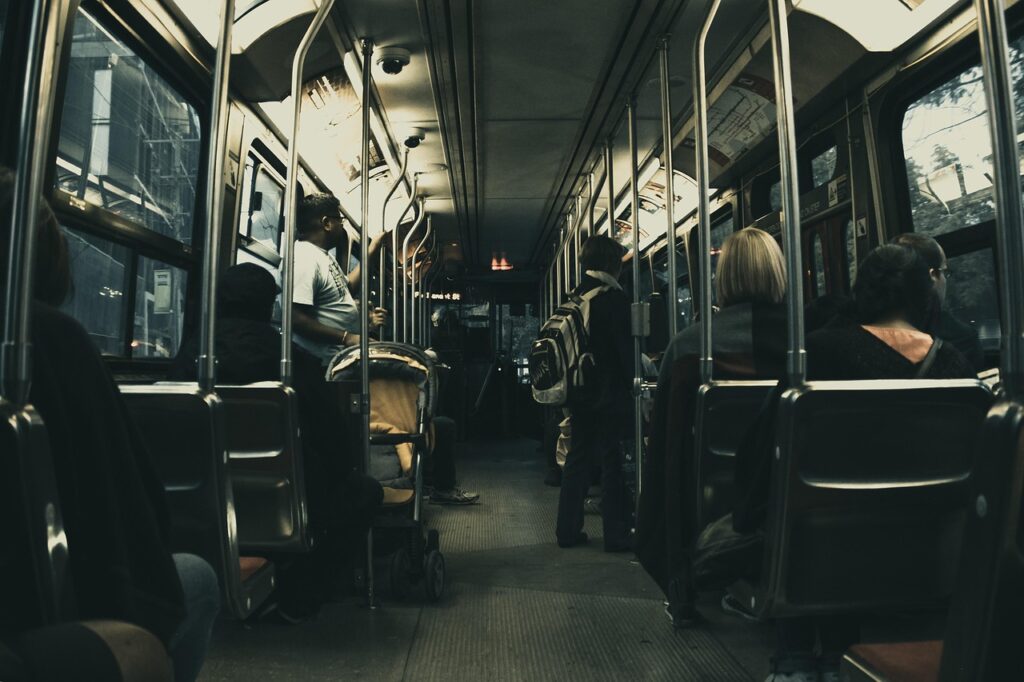
- Onboard etiquette: Let people get off before boarding—this is an unwritten rule at central stops. Giving up seats to elderly people and pregnant women is expected.
- Language: Drivers rarely speak English; have the address written in Romanian or show it on your phone. Example: « Piața Unirii, Sector 3, București » to indicate a central stop.
Special situations:
- If you get lost at night, stick to official night lines or call a rideshare/taxi app (Bolt, Free Now). Stations and stops often display municipal emergency numbers.
- During major public events (demonstrations, sporting events), check traffic updates in advance: buses and trams may be diverted or replaced by shuttle services.
Finally, use your journeys as an opportunity to watch the city: look at the façades on Bulevardul Unirii, the bustle at Obor Market (Piața Obor, Bd. Obor 2-4, Sector 2) accessible by bus 135/335 depending on route, or get off at Piața Romană and walk toward the café and independent bookshop district—surface travel often gives the richest local cues.
Where to get help and useful resources — addresses and contacts
For any problem, information or subscription purchase, several official points and online resources will be useful:
- STB SA – Societatea de Transport București (Customer Service): the head office address and municipal information points can be found on STB’s official website. Example hub: Piața Unirii (stops and information stands). For updated details, visit the official STB site (search « STB SA contact »).
- Gara de Nord (Bucharest North Railway Station): Piața Gării de Nord 1, Sector 1, București 010264 — a nerve center for arrivals/departures and bus/tram connections.
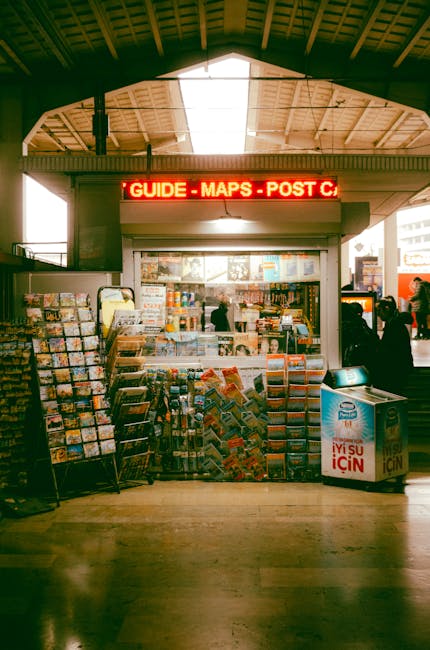
- Practical note — kiosks and tourist offices: several tourist information kiosks at Piața Unirii, Piața Victoriei and in the Old Town (Lipscani) provide maps and timetables in English.
- Mobile apps: Google Maps with STB schedules, Moovit, or the official STB app (if available) let you plan in real time, buy e-tickets and receive disruption alerts.
Emergency and recommended contacts: for emergencies, dial 112 (European emergency number). For non-urgent transport help, STB info points and stop boards often list local contact numbers. If you’re staying at a hotel, always ask reception for the best line and stop to use—they usually know time-saving shortcuts and practical schedules.
Conclusion — Key takeaways to travel with confidence
Mastering Bucharest’s buses and trams gives you great freedom of movement, clear economic benefits and an authentic glimpse into Romanian urban life. By planning journeys (buy 24h/72h passes if you’ll be moving a lot), checking schedules for transfers and following a few local rules of conduct, your trips will be smooth and rewarding. Main stations—Gara de Nord (Piața Gării de Nord 1), Piața Unirii, Piața Victoriei, Piața Romană—are reliable reference points to navigate and link trains, metro, buses and trams.
Think about combining tram rides with walks to discover neighborhoods where aesthetic flair and authenticity meet: the façades along Calea Victoriei, the small lanes of Lipscani and popular markets like Piața Obor. Keep small RON change for quick purchases and ticket buys, always validate your ticket and keep it until you exit. If in doubt, a mobile app or an information kiosk at Piața Unirii can get you out of a jam—and don’t hesitate to politely ask shopkeepers for directions; a little « mulțumesc » (thank you) is always appreciated.
This guide has given you practical markers (addresses, indicative euro fares, general schedules) plus concrete travel tips to make the most of Bucharest’s buses and trams. Before you go, check STB and Metrorex official sites for fare updates and service alerts. And leave room for the unexpected: hopping on a tram without a set plan for an hour is often the best way to discover a city. Enjoy your stay in Bucharest—may your bus and tram journeys be as rewarding as your sightseeing!