





Introduction: Free tours in Bucharest — why and how to begin
Bucharest, Romania’s lively capital, is drawing more and more travelers keen on history, striking architecture and local stories. If you arrive without a rigid plan, free tours (guided walks that are technically free and work on a tip basis) are a perfect entry point: they give you an engaging introduction to the city, help you spot neighborhoods worth exploring further, and let you ask questions live to often-local, passionate guides. This complete guide is designed to help you start with confidence: it explains how these tours work in Bucharest, where meeting points are, typical stops, average tip amounts in euros, paid alternatives to consider, and practical tips (safety, weather, booking, accessibility).
Free tours are especially popular because they’re flexible. In Bucharest they usually cover two main axes: the Old Town (Lipscani) and major modern or symbolic sites like Revolution Square (Piața Revoluției), the Palace of the Parliament (Palatul Parlamentului) and the Romanian Athenaeum (Ateneul Român). You’ll also find themed variations: street art, communist architecture, Romanian food or night walks. Meeting points are often precise (for example in front of the Teatrul Național I.L. Caragiale, Piata Universitatii), which makes gathering easy. Guides are typically identifiable by a sign or umbrella and invite you to follow with no financial commitment upfront.
Before diving into specific options and best practices, it’s important to understand the free tour philosophy: the service isn’t truly free — guides rely on participants’ generosity at the end. In Bucharest, recommended amounts vary with duration, quality and your budget: between €5 and €15 per person for a 2–3 hour walk is the norm. Unwritten rules apply: if the guide was outstanding, don’t hesitate to tip more; if you were in a small group or the weather was terrible, adjust accordingly.
This guide will give you exact meeting points and typical schedules, plus pragmatic advice: how to book, how to spot a professional guide, what questions to ask, how to manage time and nearby sights if you want to keep exploring after the tour. I’ll also list must-see places with addresses, entrance fees in euros and opening windows so you can plan follow-up visits after a free tour.
Ready to go? In the following sections you’ll find detailed descriptions of common routes, exact addresses (streets, numbers, postal codes), usual schedules and price ranges in euros for major museums and monuments, plus local tips to turn a simple free walk into a memorable experience.
1. How free tours work in Bucharest: logic, bookings and joining in
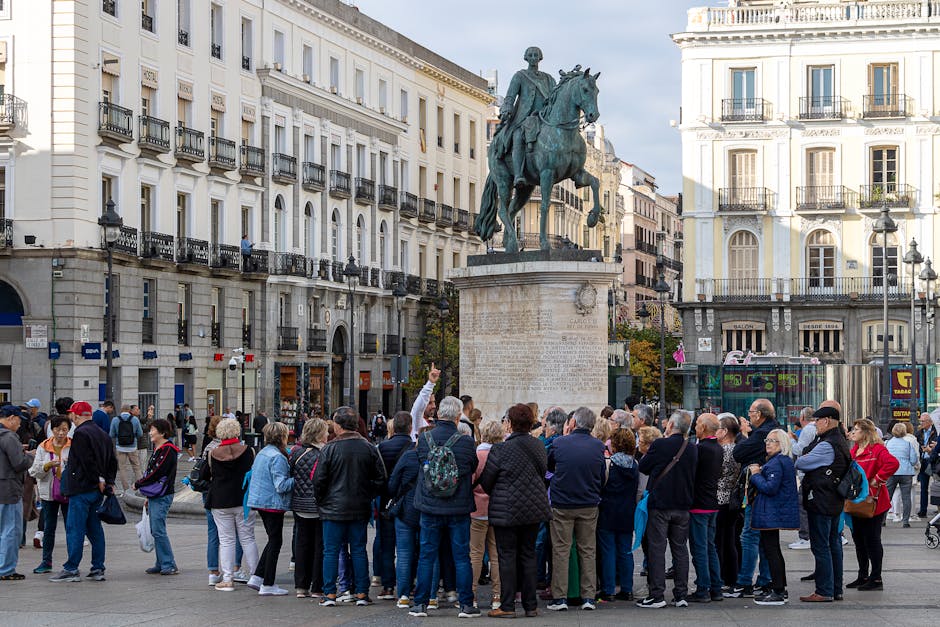
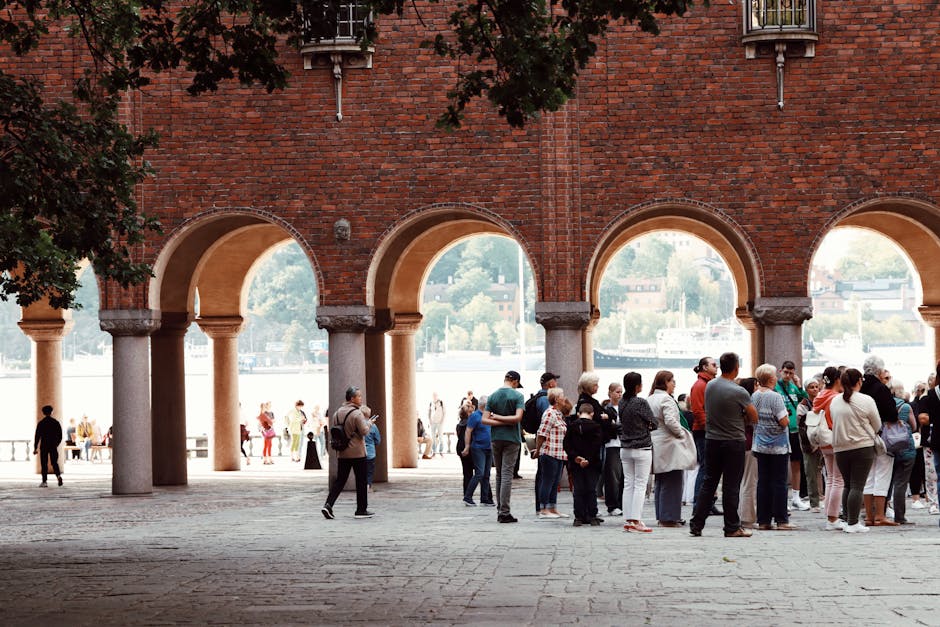
In Romania, and especially in Bucharest, free tours run on a simple model: an agency or a collective of guides offers a guided walk with no mandatory fee. The guide leads the group (often 10–30 people), shares historical stories, anecdotes and practical tips, and then asks for a tip at the end. This setup lets travelers evaluate the quality of the service before contributing. In Bucharest tours usually last 2–3 hours and cover a reasonable walking area (2–4 km depending on the route), which suits walkers and those who want to take photos.
Booking: many tours accept online reservations (form or email) but remember cancellation policies are flexible; most tolerate last-minute changes. For popular departures (weekends in high season, student groups or cruise ship arrivals), it’s wise to book the day before. If you show up spontaneously, arrive 10–15 minutes early at the meeting point.
- Common meeting points: Piata Universitatii (in front of Teatrul Național I.L. Caragiale, Piata Universitatii 2, București 010182), Curtea Veche / Strada Lipscani (Lipscani 28–30), Piața Revoluției (Piața Revoluției 1, Bucharest).
- Typical times: morning departures around 10:00 and afternoon departures around 14:30–15:00. Some operators also run night tours at 20:00.
- Duration: generally 2 to 3 hours.
How to choose when multiple operators offer the same route? Check online reviews (Google, TripAdvisor, social media), the languages offered (English, Spanish, French, Italian), and group size. Tours of 8–15 people allow better interaction than those with 30–40 participants. Also see whether the guide displays a local accreditation (tourist guide certificate) — many professional guides mention or show this on their profile.
Participation and tipping: at the end the guide will usually explain that a tip is expected. In practice, budget between €5 and €15 per person for a 2-hour walk; for a 3-hour tour €10–20 is common if you enjoyed it. Cash in euros is preferred, but more guides now accept card payments via PayPal, Revolut or mobile terminals — ask at the start.
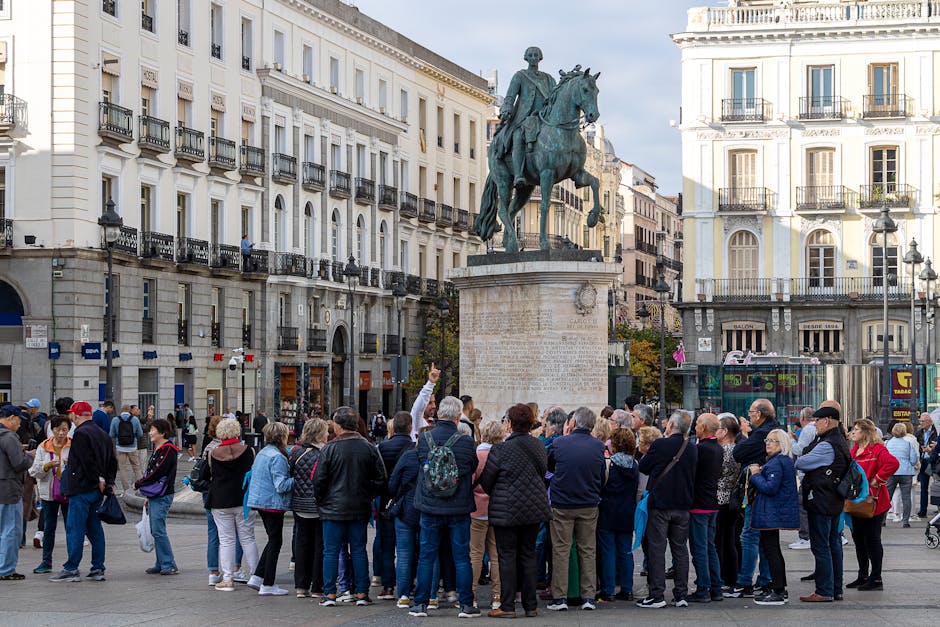
Practical tip: if you’re with family or several people, bring small notes (€2 / €5) to make tip collection easier. If your budget is tight, mention it politely to the guide at the beginning — most appreciate the transparency and will adapt their approach without judgment.
2. Typical routes and highlights — addresses, opening times and prices
Below are typical routes you’ll commonly find on Bucharest free tours, with exact addresses, usual opening hours and suggested prices for paid sites you might want to visit afterward.
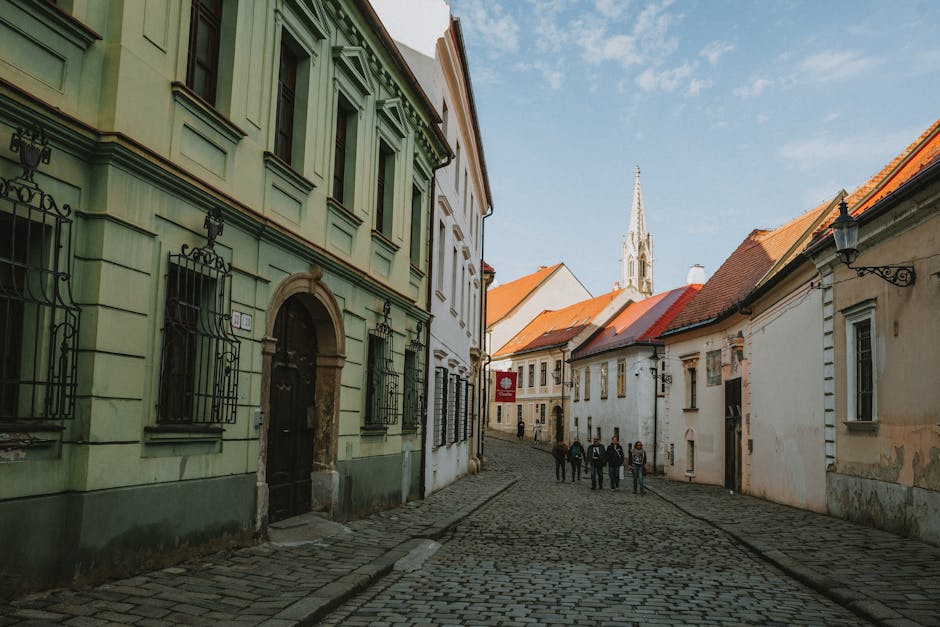
Classic route: Old Town (Lipscani) and Revolution Square
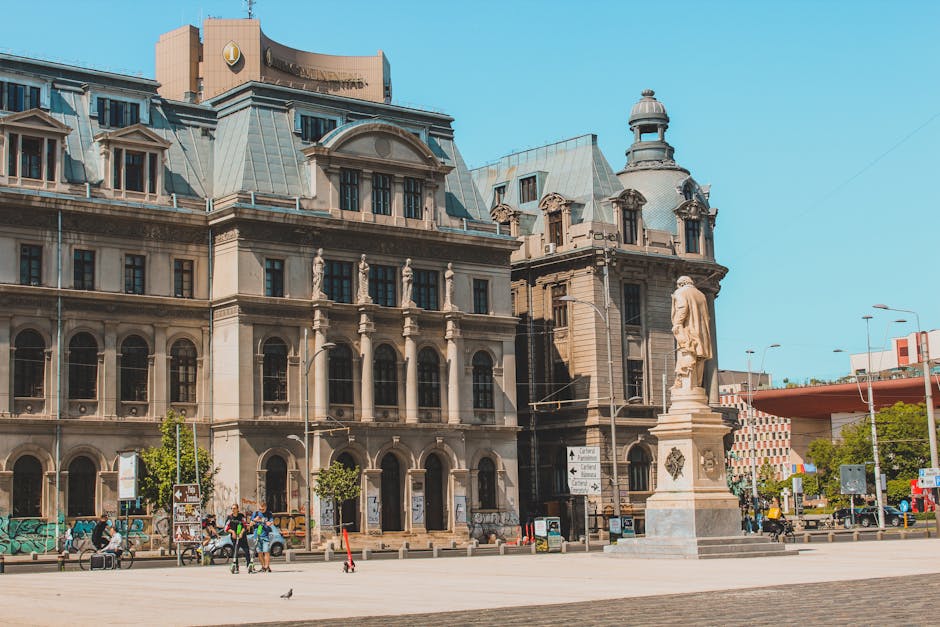
- Meeting point: Teatrul Național I.L. Caragiale, Piata Universitatii 2, București 010182 — often meet on the main staircase.
- Squares and stops:
- Curtea Veche (Old Court) — Strada Franceză 25, 030045. Remains of the voivode residence of Vlad Țepeș. Exterior access is free; the adjacent museum may charge ~€2–4.
- Biserica Stavropoleos — Strada Stavropoleos 4, 030081. An Orthodox church open 08:00–19:00; donations of €1–3 are suggested.
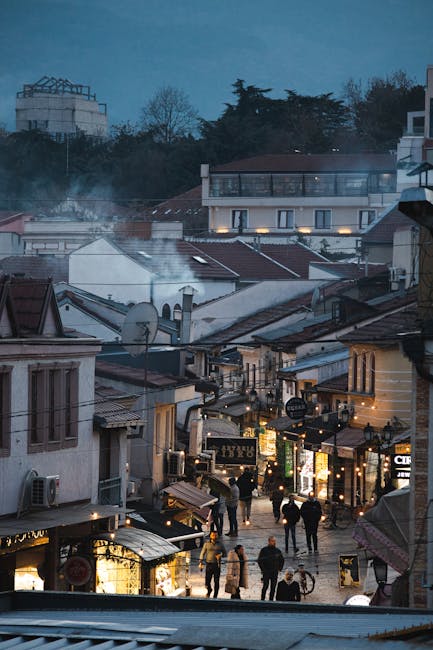
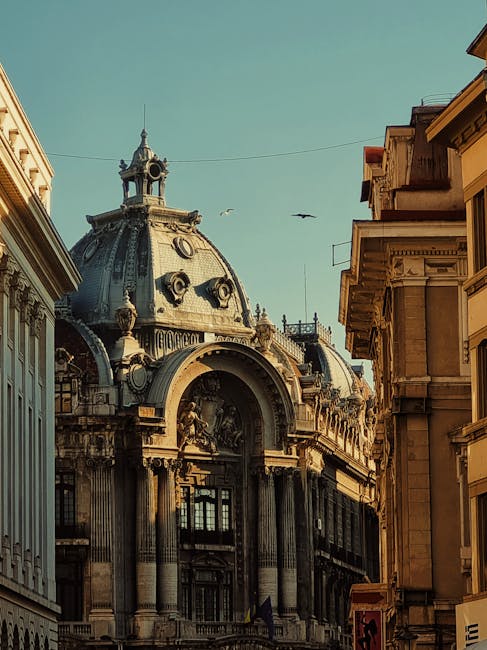
- Centrul Vechi / Lipscani — Strada Lipscani, sector 3. Bars, restaurants and commercial architecture from the 17th–19th centuries.
- Piața Revoluției — Piața Revoluției 1. In front of the imposing Ateneul Român and the National History Museum (Calea Victoriei 12).
- Duration: 2–2.5 hours.
“Monumental” route: Palace of the Parliament and modernist neighborhoods
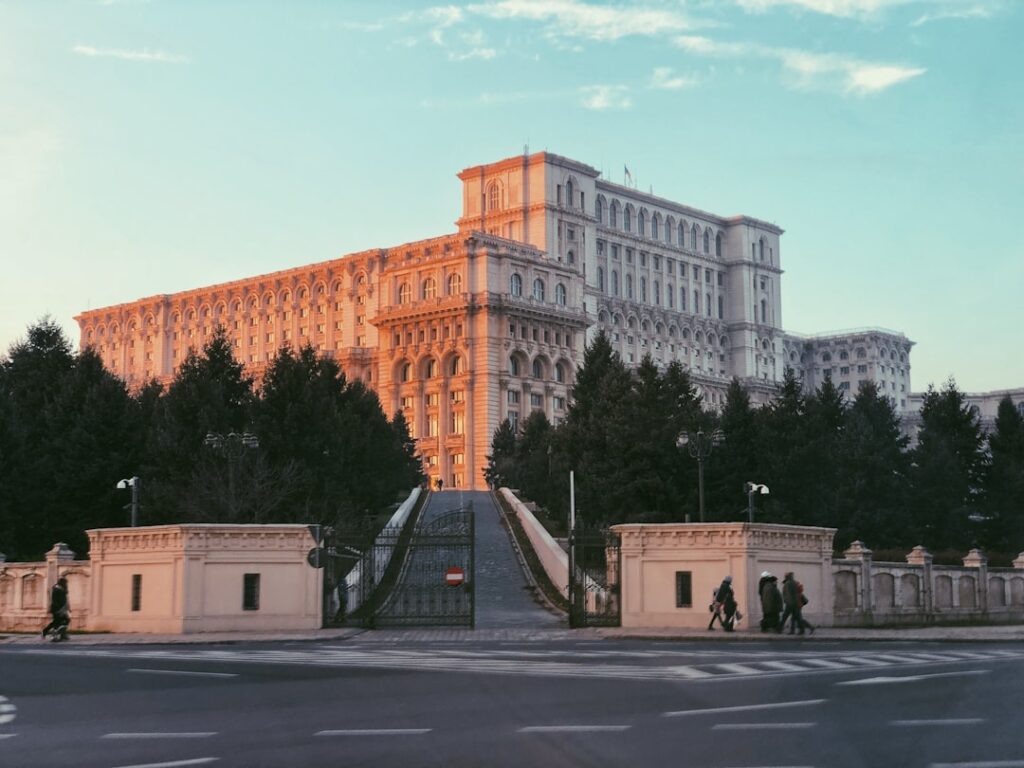
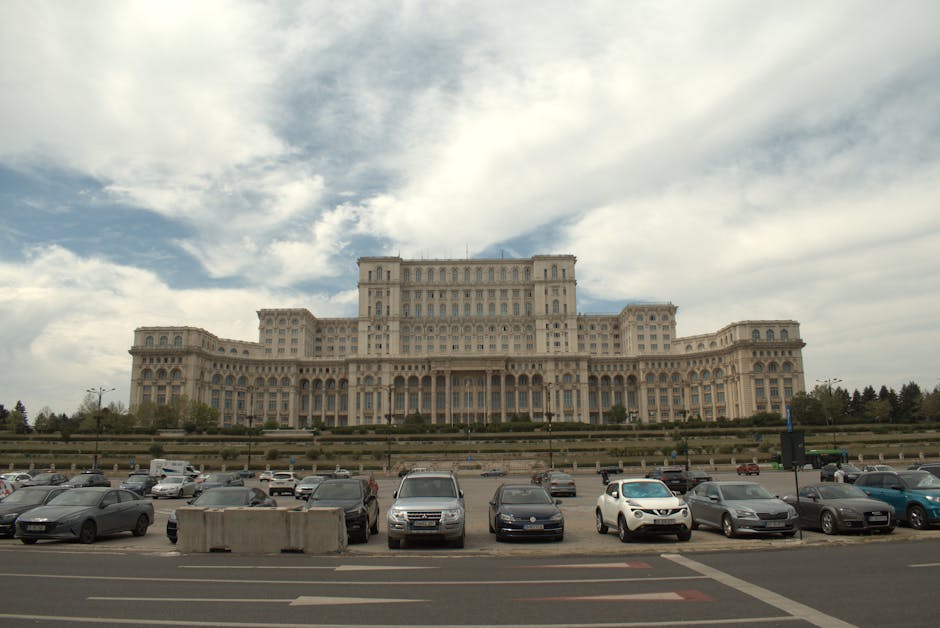
- Meeting point: Izvor station / forecourt of the Palatul Parlamentului — Strada Izvor 2-4, sector 5, București 050563.
- Stops:
- Palatul Parlamentului (Palace of the Parliament) — interior guided visit recommended. Hours: guided tours 10:00–16:00 depending on reservations; guided entrance fee about €8–12 (adults); special tours €25–30 with extra options.
- Parcul Izvor — large public park opposite the Parliament; great for explaining communist-era urban planning.
- Bulevardul Unirii and Unirii Avenue — monumental perspectives designed under Nicolae Ceaușescu.
- Duration: 2–3 hours if including a paid visit to the Parliament.
“Culture & Museums” route: Romanian Athenaeum and museums
- Ateneul Român (Romanian Athenaeum) — Strada Benjamin Franklin 1-3, București 030167. Guided interior tours aren’t regular; concerts are frequent. Fees: interior visit ~€5–8, concert tickets €5–25 depending on seat. Box office hours: 10:00–18:00 depending on programming.
- National Museum of Romanian History (Muzeul Național de Istorie a României) — Calea Victoriei 12, București 030026. Hours: 10:00–18:00 (Tuesday–Sunday), closed Monday; price ~€6–8.
- Dimitrie Gusti National Village Museum (Muzeul Național al Satului « Dimitrie Gusti ») — Șoseaua Pavel Dimitrievici Kiseleff 28-30, sector 1. Hours: 09:00–18:00 (April–September); price ~€4–6.
These routes can be mixed depending on your interests and time. Experienced guides adapt the narrative: architecture, the communist era, the royal period, local anecdotes, and food. Don’t hesitate to ask the guide to focus on a specific theme before departure.
3. Practical tips to get the most from a free tour in Bucharest
Before you join a free tour, here are practical, locally-sourced tips to help you avoid common mistakes and get the most out of your visit.
- Arrive on time: tours start punctually. If you miss the beginning, guides can’t repeat the introduction for latecomers; join the group at the next indicated stop or catch the next departure.
- Clothing and comfort: Bucharest is best explored on foot. Wear comfortable shoes, bring a water bottle (public fountains exist but aren’t always drinkable), and dress for the weather (windbreaker for autumn/winter, hat for summer).
- Cash: bring euros in small notes (€2, €5, €10). Even if some guides take electronic payments, cash makes tipping and small purchases easier.
- Safety and cautions: Bucharest is generally safe for tourists, but like anywhere, watch your belongings in tourist areas (pickpocketing can happen). Don’t flash large amounts of cash and use a closed bag.
- Language: most free tours are in English; some offer Spanish, Italian, French or Romanian. Check the language when booking.
- Photos: ask before photographing a local person or a private event. For interiors (churches, museums), respect any no-photo rules.
Local tip: the end of a free tour is a great time to ask your guide for personalized recommendations: local restaurants (e.g. Caru’ cu Bere – Strada Stavropoleos 5, București 030081 — while popular and touristy, it’s a classic Romanian dining experience, dishes €6–12), lesser-known bars, or how to use public transport (metro, tram). Guides also know the real opening hours — useful because online info isn’t always up to date.
4. Etiquette, tipping and when to choose a paid tour
One of the trickiest questions for visitors is tipping and recognizing a guide’s work. Here are concrete benchmarks and situations where a paid (official) guided visit might be better.
Tipping: suggested amounts
- 1.5–2 hour visit: €5–10 per person (standard).
- 2.5–3 hour visit: €10–20 per person (if the guide was good).
- Specialized themed tour (street art, food, heritage): €10–25 depending on depth and included tastings.
Tips can vary based on the visitor’s home country and purchasing power; what matters most to a guide is appreciation and feedback. A nice gesture is to write a detailed online review if you liked the tour: that helps the guide’s reputation and can make up in visibility what you didn’t give in euros.
When to pick a paid tour?
- Interior-only visits: some monuments require a paid guided visit (e.g. Palatul Parlamentului). For those sites you must book and pay: expect €8–30 depending on the formula.
- In-depth themed packages: if you want a specialized route (music, war museum, private museum visits), a paid tour usually guarantees a qualified historian-guide and priority access.
- Private groups: if you’re a family or a group of friends, a private tour can cost €60–150 depending on duration and group size; divided per person, this can be a good value.
Practical note: if you find a free tour overbooked or led by an unprepared guide (poorly informed, lacking facts), it’s fine to politely leave. Look for another departure or book a paid tour for a more polished experience.
5. Alternatives and follow-ups after a free tour: museums, restaurants and themed visits
A free tour is often just the start of a longer day. Here are suggestions for paid or free activities to continue exploring Bucharest, with addresses, hours and indicative prices in euros.
- Palatul Parlamentului (Palace of the Parliament) — Strada Izvor 2-4, sector 5, București 050563. Reservation recommended. Guided tour price ~€8–12. Hours (guided tours): 10:00–16:00 depending on day and season.
- Caru’ cu Bere — Strada Stavropoleos 5, București 030081. Historic city-center restaurant. Dishes €6–15, local beer €2–4. Hours: 11:00–23:00 (seasonal variation).
- National Museum of the Romanian Peasant (Muzeul Național al Țăranului Român) — Șoseaua Pavel Dimitrievici Kiseleff 3-5, București 011347. Hours: 10:00–18:00 (Tuesday–Sunday). Price ~€4–6.
- Village Museum « Dimitrie Gusti » — Șoseaua Pavel Dimitrievici Kiseleff 28-30. Great for an afternoon; open 09:00–18:00 (seasonal). Entry ~€4–6.
- Evening concert at the Ateneul Român — Strada Benjamin Franklin 1-3. Concert tickets €5–25; check the program and buy online for popular shows.
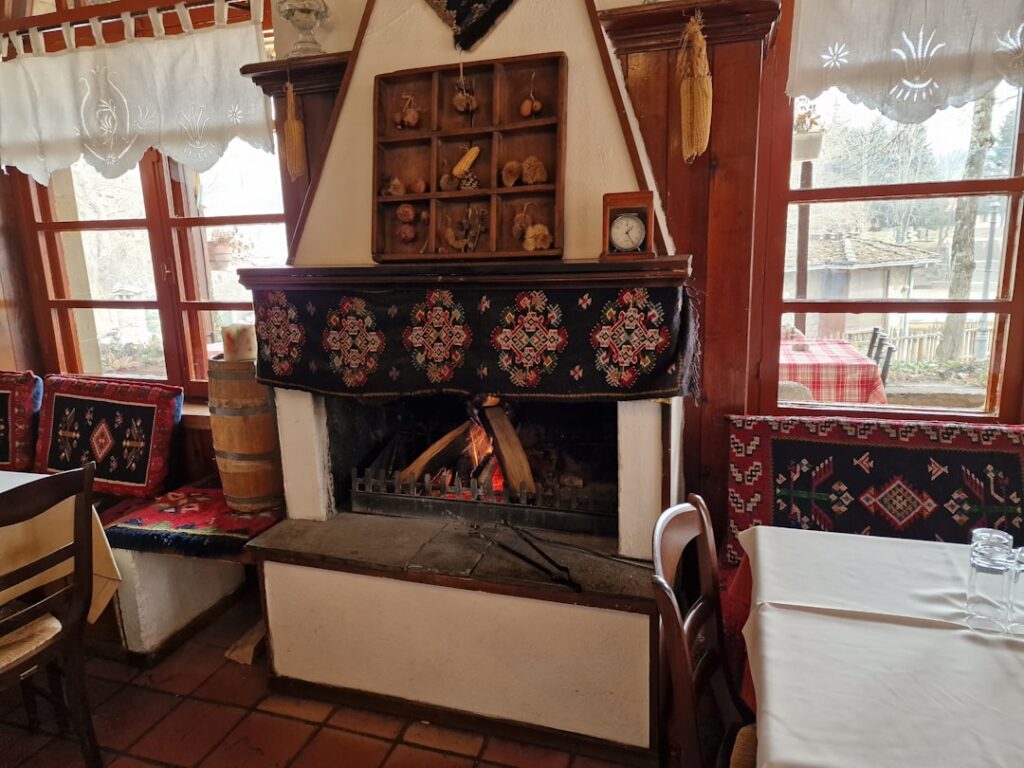
Complementary itinerary idea: after a morning free tour in Lipscani, have lunch in a small traditional restaurant (dishes €6–12), then visit the National History Museum (Calea Victoriei 12) in the afternoon, and finish with a stroll in Herăstrău Park and the Village Museum if the weather’s good.
Conclusion: confidently joining free tours in Bucharest
Free tours in Bucharest are an excellent way to get to know the city without immediately spending a lot. They offer a valuable mix of history, local anecdotes and practical tips — perfect for travelers short on time or those who want an initial impression before diving deeper. Remember the essentials: be punctual (tours start on time), bring small euro notes for tipping (€5–20 depending on duration), choose a small group for better interaction, and always confirm the tour language when booking.
After a free tour, don’t hesitate to follow up with a targeted paid visit (Palatul Parlamentului, Ateneul Român) if you want interior access or expert commentary. Use your guide’s recommendations to find authentic restaurants (e.g. Caru’ cu Bere — Strada Stavropoleos 5) and museums that match your interests (Muzeul Național al Țăranului Român — Șoseaua Kiseleff 3-5, Village Museum — Șoseaua Kiseleff 28-30).
Finally, keep the human side in mind: a quality guide often earns a modest living and depends on tips and online reviews. If you enjoyed the visit, a generous tip and a detailed review are the best ways to support their work. If the tour didn’t meet your expectations, be polite but honest in your feedback — it helps organizers improve.
By following the tips in this guide, you’ll get the most out of Bucharest’s free tours: rewarding encounters, a deeper understanding of Romanian history and, above all, the freedom to explore the city afterward however you like. Safe travels and enjoy discovering the « Little Paris » of the Balkans!