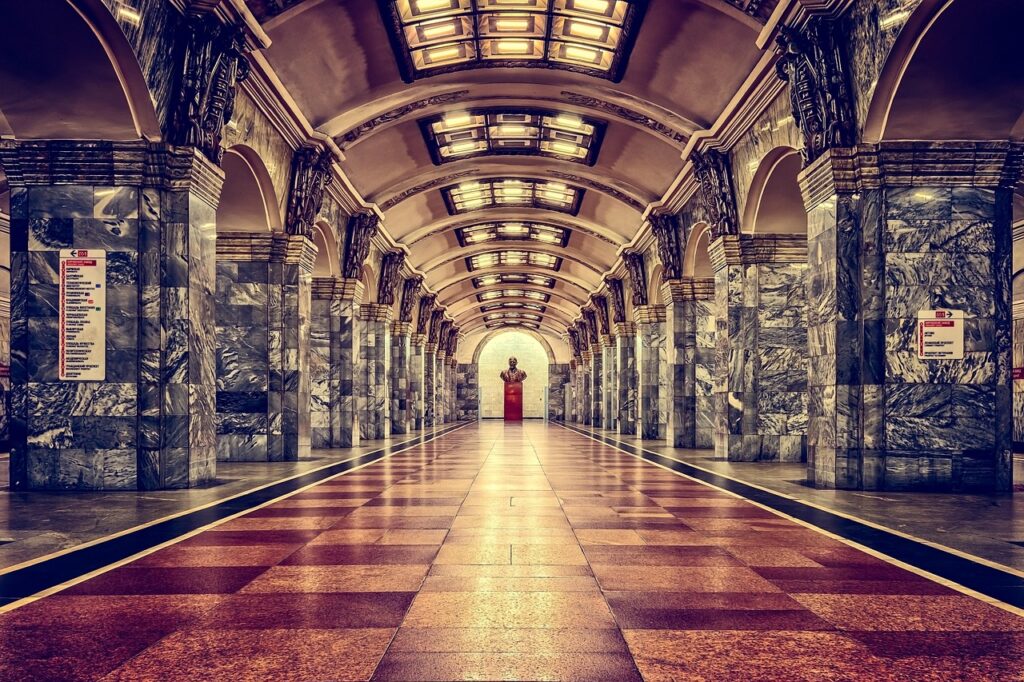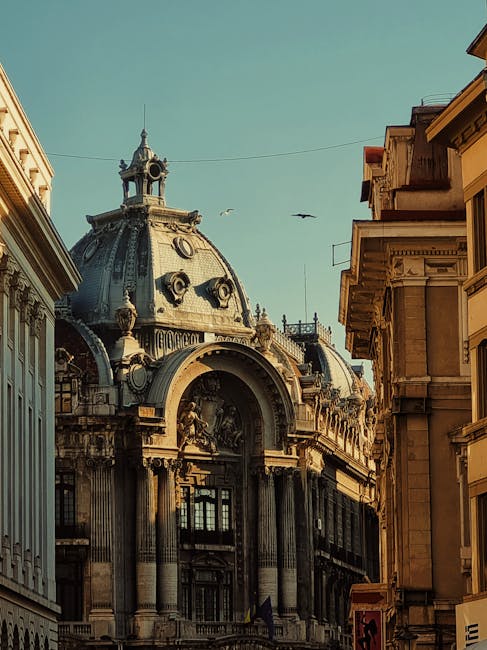





Introduction — A deep dive into Bucharest’s metro: one network, one city
Bucharest’s metro (Metrorex) is more than just public transit: it’s the city’s backbone, telling the story of the Romanian capital’s recent past. Opened in 1979, the system now links residential neighborhoods with business districts, historic quarters with new cultural hubs. For the curious traveler, it’s a fast, cheap and often fascinating way to see the city, highlighting architectural contrasts, contemporary murals and everyday scenes.
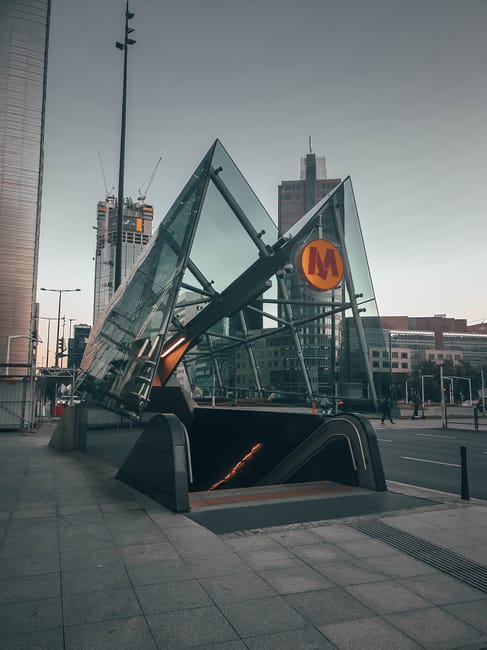
This complete guide walks you through the lines, standout stations and the particular atmosphere you’ll encounter on each route. You’ll find practical info here — exact addresses for main stations, prices converted into euros for clarity, service hours and local tips — but also immersive descriptions: the vibe on a platform at rush hour, the information panels, the bilingual Romanian/English signage at major stations, and the unique lighting in the tunnels. The goal is to make each trip not just useful, but enjoyable and informative.
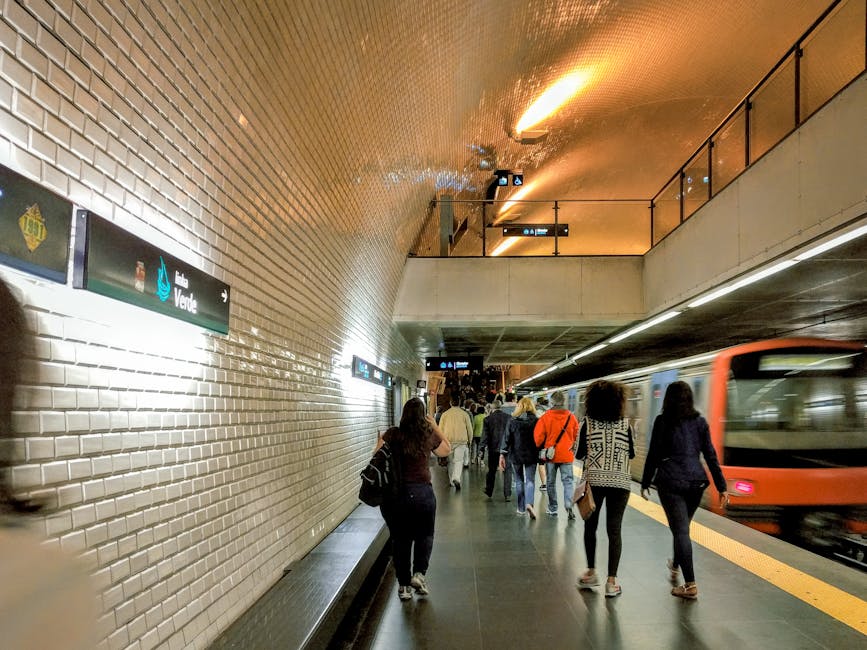
Let me guide you from landmarks like Gara de Nord (the main rail and metro hub) to newer modern extensions such as the M5 line that opens up the western neighborhoods. For every recommended station I give the exact address (handy for taxis and map apps), ticket prices in euros (rounded, with lei equivalents when useful), and typical service times. You’ll also get practical tips: where to buy tickets, how to validate them, which exits to take for quick access to museums, restaurants and parks, and how to avoid crowds and pickpockets.
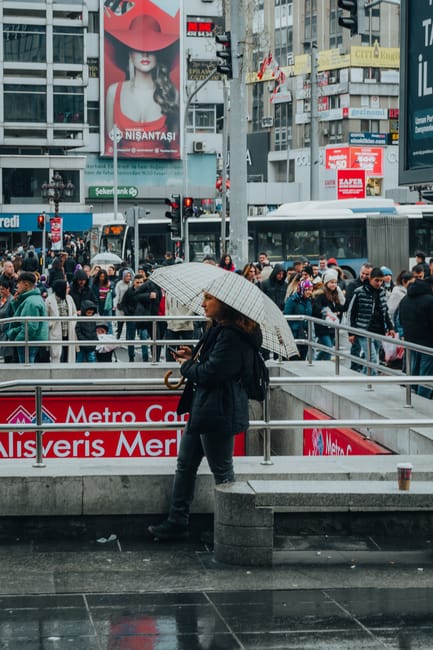
Finally, this guide focuses on atmosphere: platform musicians, newspaper vendors, Romanian-language ads, and the design differences between stations built in the 1980s and those recently renovated. Whether you’re a traveler in a hurry, an urban photographer, or simply curious about architecture and local stories, this guide will help you make the most of your metro rides in Bucharest.
The metro lines: layout, routes and frequencies
Metrorex’s network is mainly made up of five official lines numbered M1, M2, M3, M4 and M5, each with its own character and role in the city’s mobility. Understanding how they work is essential for planning your trips.
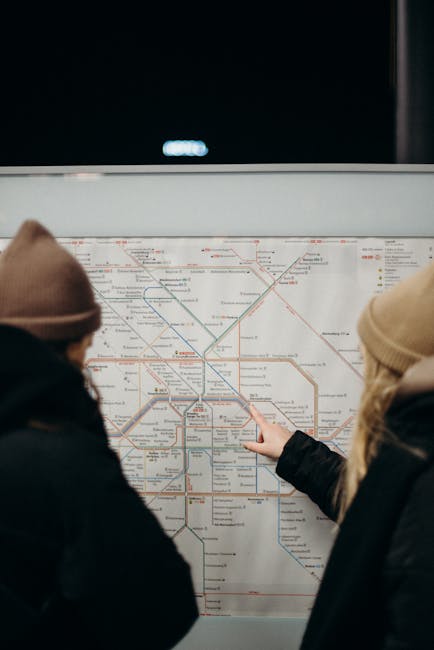
– M1 (yellow line): a U-shaped route linking the northwest to the southeast. Key stops: Gara de Nord 1 (Piața Gării de Nord 1, București 010167, România) toward Republica (Bulevardul Calea Dudești 1, București). M1 also serves central points like Basarab (Piața Basarab, București) and Universitate (Piața Universității, București).
– M2 (blue line): the main north–south axis, running from Pipera (Șoseaua Pipera 42, București) in the north down to Depoul Berceni (Strada Fabrica de Glucoză, București) in the south. This line is the most used to reach the Pipera business area and Piața Victoriei. Frequency: peak times about 2–4 minutes, off-peak 5–8 minutes. Typical schedule: first trains around 05:00 and last trains around 23:30.
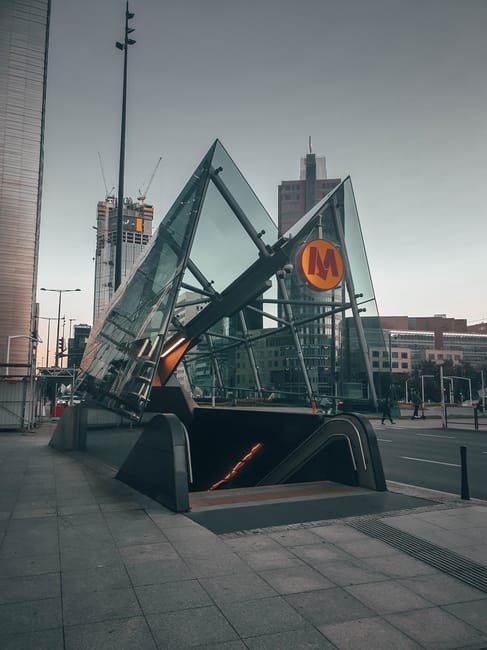
– M3 (red line): connects north to south via the west, running between Preciziei (Șoseaua Industriilor, București) and Universitate / Gara de Nord depending on branches. Key station: Politehnica (Splaiul Independenței 313, București) — handy for university campuses and tech offices.
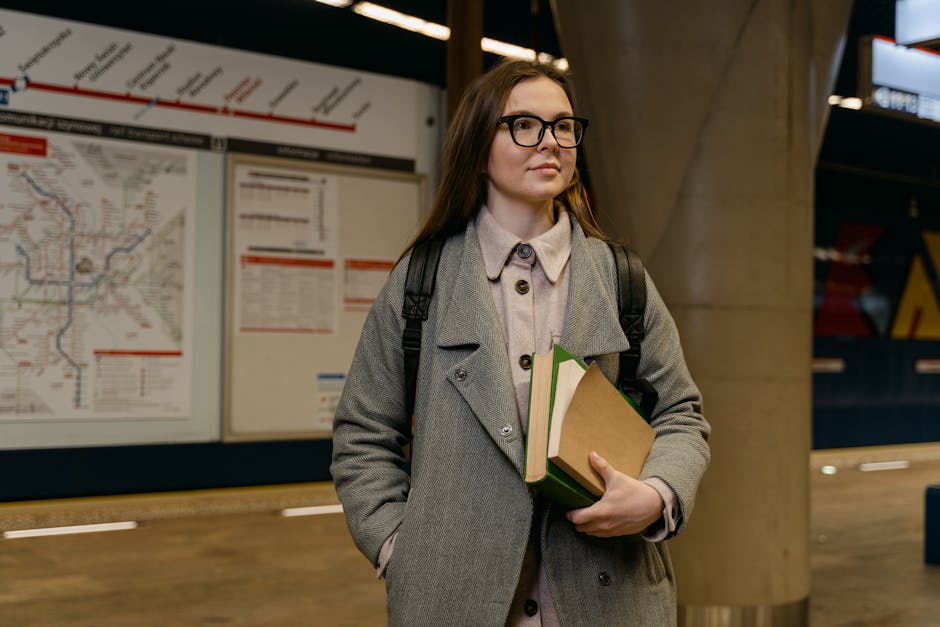
– M4 (light green line): a shorter line linking Berceni to Gara de Nord 2 through residential neighborhoods and shopping areas. It’s useful for reaching some of the city’s larger malls.
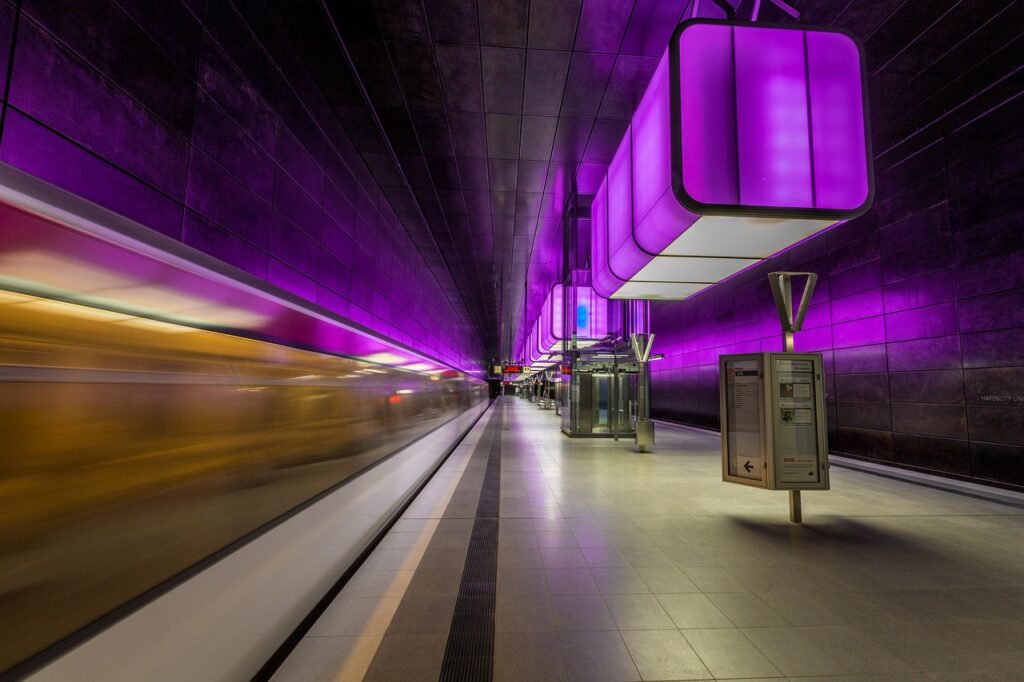
– M5 (violet line): a recent extension serving the west, with modern stations and interchanges to M1 and M3. M5 stations are often very clean, equipped with elevators and contemporary design — for example Eroilor (Piața Eroilor, Strada Dr. Staicovici, București), a major transfer hub.
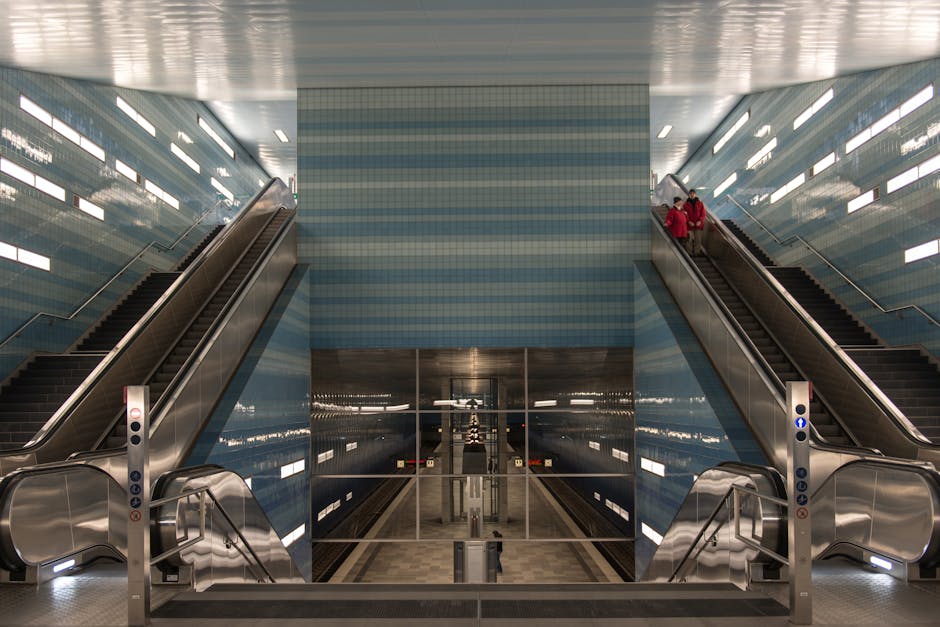
General frequencies and hours: Metrorex usually operates between about 05:00 and 23:30–00:00. Weekday frequencies are best during 07:00–09:30 and 16:30–19:00; expect trains every 2–4 minutes on M2 at peak times, and every 4–8 minutes on other lines. On weekends the frequency drops a bit (roughly 5–10 minutes depending on the line). For travel after midnight there are night bus lines that complement the service.
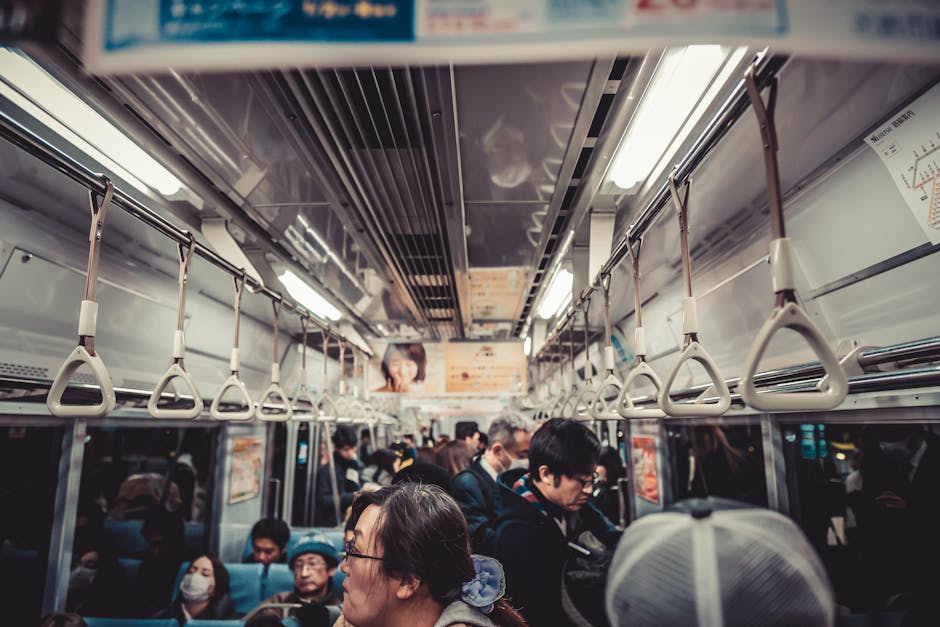
Must-see stations and exact addresses: what to see nearby
Some Bucharest metro stations are worth visiting not only for their design but also for their proximity to major attractions. Here’s a selection of stations with addresses, practical notes and what you’ll find nearby.
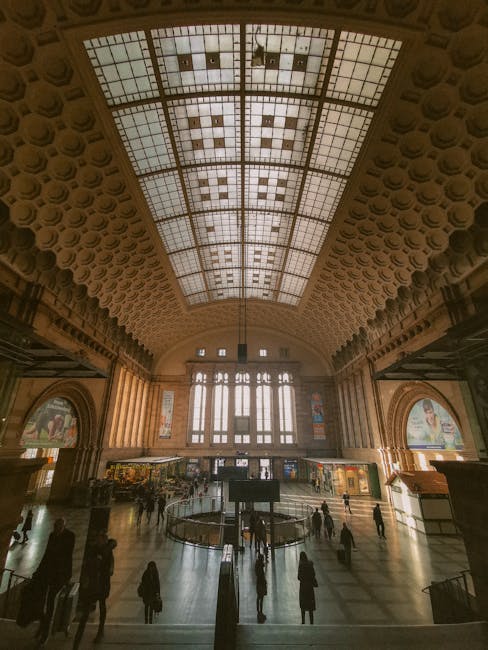
– Gara de Nord 1 / Gara de Nord 2 — Piața Gării de Nord 1, București 010167. This metropolitan station is the main national and international rail hub. Outside you’ll find official taxis, currency exchange booths and luggage storage services. Tip: exit toward Piața Gării de Nord to find buses to the airport and private shuttles. Taxi fare to Henri Coandă Airport (OTP): around €20–25 depending on traffic (allow 30–60 minutes).
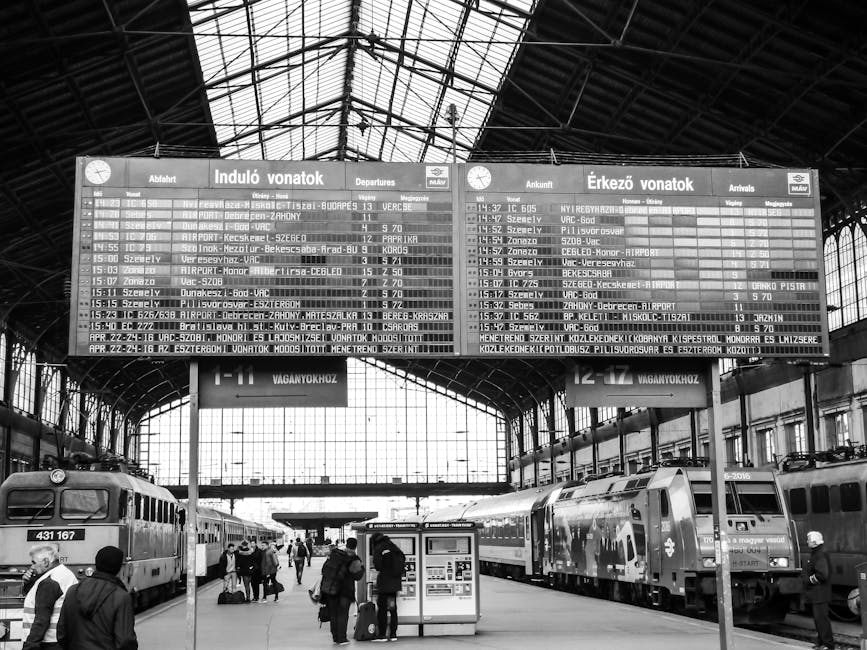
– Piața Unirii — Piața Unirii, București. The administrative and commercial heart, surrounded by shopping centers (Unirea Shopping Center), restaurants and direct access to the Old Town (Lipscani). Useful GPS reference: Bulevardul Unirii 16, București. Great starting point for a walking tour. The station has wide platforms and multiple exits: check signs to reach the exact corner of the square you want.
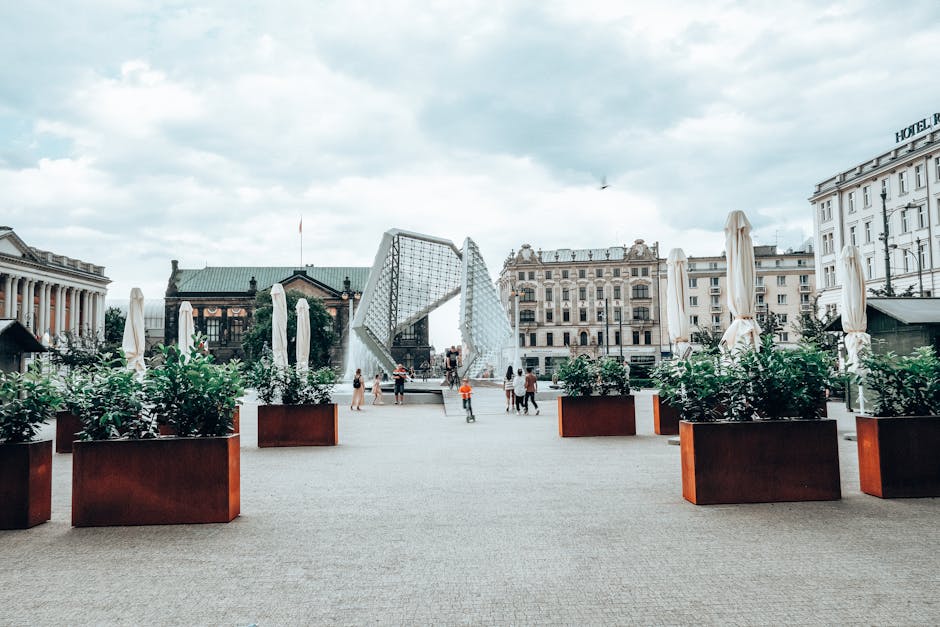
– Piața Victoriei — Piața Victoriei, București. Nearby: the National Art Museum of Romania (Calea Victoriei 49-53), embassies, and many chic cafés. Exit on the Calea Victoriei side to reach museums easily. The station is well signed and sometimes hosts small exhibitions or events in its halls.
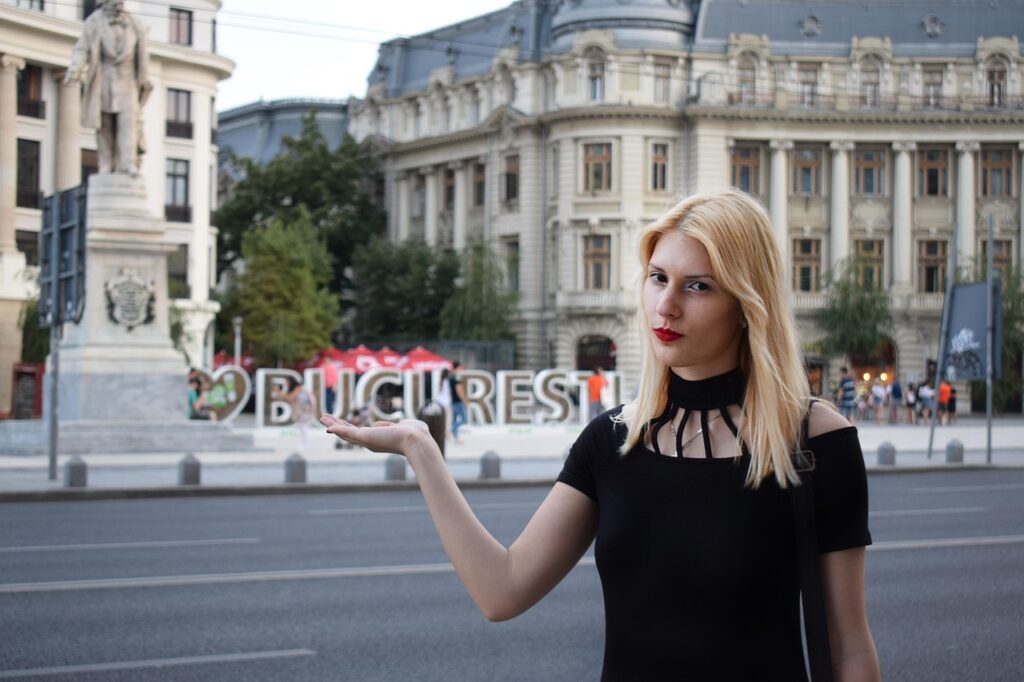
– Pipera — Șoseaua Pipera 42, București. A modern business hub with offices of international companies and restaurants popular with expats. If you work in the high-tech area, Pipera is the busiest station. Note: taxis and e-scooters are plentiful at the exits.
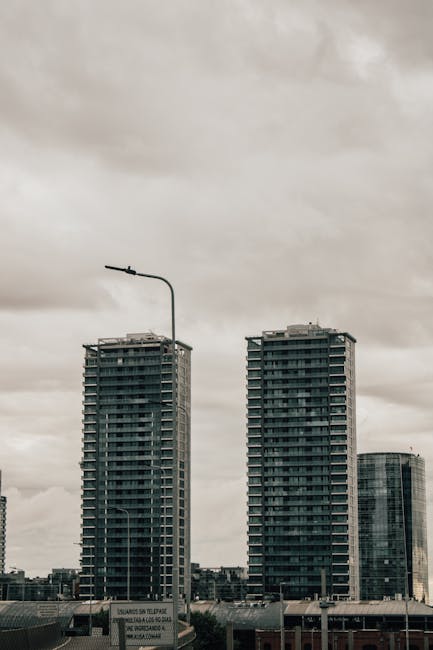
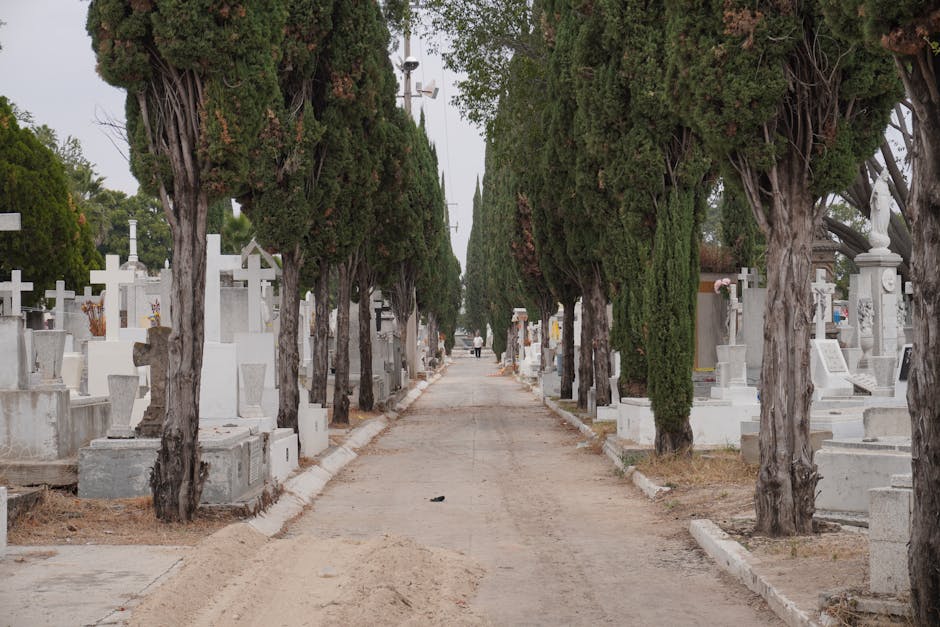
– Eroilor — Piața Eroilor, Strada Dr. Staicovici, București. A major interchange between M1/M3/M5, with access to residential areas and the nearby Bellu cemetery (a cultural stroll). The station has been renovated and is accessible to people with reduced mobility (elevators).
Practical tips around stations: always look for the exit labeled with the name of the landmark or street you need (e.g. “Calea Victoriei”), keep a validated ticket until you leave (random inspections happen) and avoid poorly lit secondary exits at night. Information booths in major stations (Gara de Nord, Piața Unirii, Victoriei) are helpful for paper maps and English assistance.
Fares, buying tickets and validation: payment methods and tips
Bucharest’s metro fares are designed to be affordable. Below is a clear and practical overview in euros to help you budget.
Typical fares (approximate conversions to euros, rounded for simplicity — 1 EUR ≈ 4.9 RON, indicative):
- Single ticket (1 trip): ≈ €0.55 (about ~2.7–3 RON depending on validation) — valid for one journey including transfers as long as you don’t exit the network.
- 2-trip ticket: ≈ €1.10.
- Reloadable card (RATB/Metrorex card): initial cost ≈ €1–2 + top-up.
- 24-hour pass: ≈ €4.00 (ideal if you plan several trips in one day).
- Weekly pass: ≈ €13–15 (useful for work trips or longer stays).
Where to buy:
- Metrorex ticket offices in major stations (Gara de Nord, Piața Unirii, Piața Victoriei) — cash (lei) and often card payments accepted.
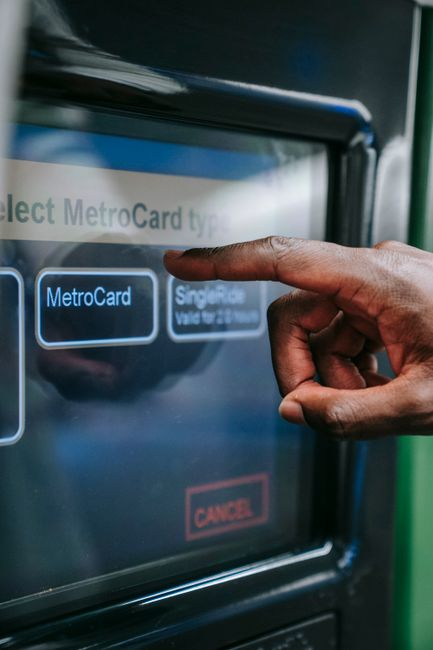
- Ticket machines (English/Romanian) accepting cards and cash — choose the “English” option to simplify the process.
- Mobile apps: some local apps let you buy e-tickets; check compatibility with foreign bank cards. Accepted mobile wallets vary by operator.
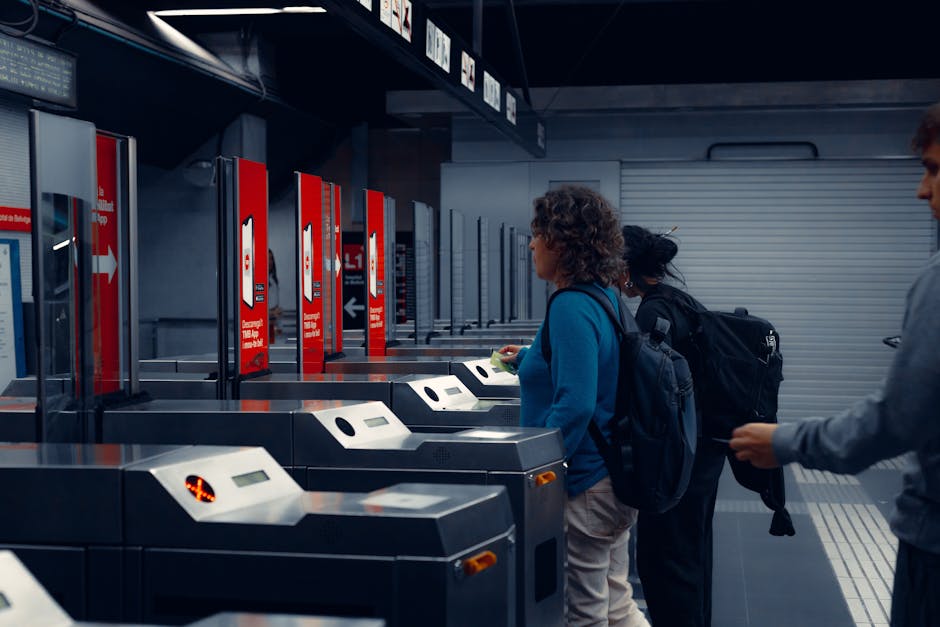
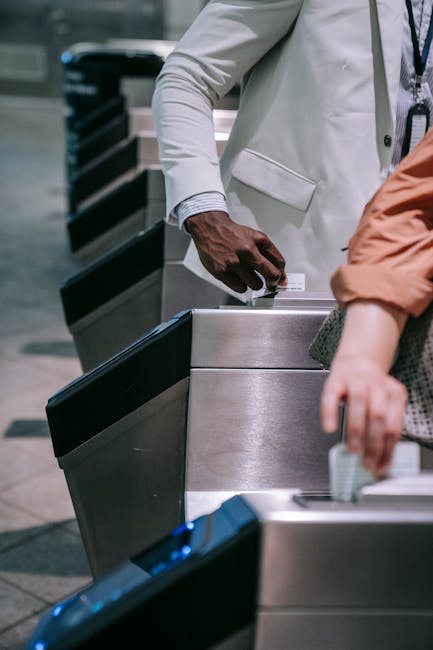
Validation and inspections: you must validate your ticket or card at the turnstile on entry; inspections are frequent, and fines for traveling without a valid ticket can exceed €30–40. Always keep your ticket until you exit. For tourists: keep both electronic and paper records of any top-ups in case of issues.
Sales hours and assistance: booths in major stations usually open with the network (around 05:00) and close when service ends. If you lose your ticket, go to the information desk in the nearest station.
Urban atmosphere, safety and local tips to make the most of it
Bucharest’s metro is a little urban ecosystem: it mixes the rhythm of daily work life, street performers, and signs of a city in transition. Here are concrete tips to understand and enjoy that atmosphere.
Vibe by time of day:
- Morning (07:00–09:30): packed trains, focused faces and formal attire among commuters; aim for a spot near the doors to get off quickly.
- Midday (11:00–14:00): calmer rides, tourist groups and snack vendors near exits; a good time to photograph stations without heavy crowds.
- Evening (17:00–19:30): another rush hour with more bustle but a friendly atmosphere; watch for busy transfer points so you don’t lose time.
- Night (after 21:00): fewer trains and quieter exits; avoid empty, isolated carriages and stick near the driver or other passengers.
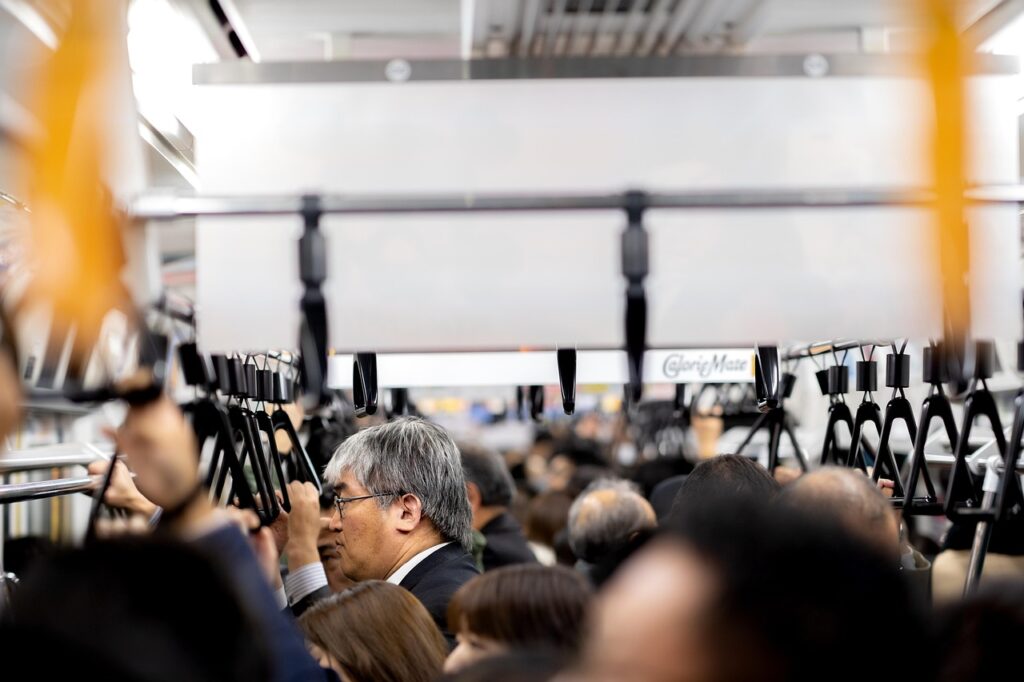
Safety and recommended behavior:
- Keep your belongings in front of you; pickpockets sometimes operate on crowded platforms.
- If you’re taking photos, be considerate of other passengers: avoid intrusive flashes and ask permission before photographing someone up close.
- Major stations have security staff and cameras; if there’s a problem, look for Metrorex personnel or dial the local emergency number (112 for emergencies in Romania).
- Learn a few useful Romanian phrases: “Mulțumesc” (thank you), “Unde este ieșirea spre… ?” (where is the exit toward…?). Most young people in major stations speak English.
Local tips to optimize your trips:
- Use M2 for quick north–south trips — it’s the most efficient line for getting to business areas and certain museums.
- Carry a little change (euro cents or lei): some smaller ticket machines don’t always accept foreign cards.
- Buy a 24-hour pass if you plan 4 or more trips in a day — it’s often cheaper than multiple single tickets.
- For station architecture photography, off-peak hours (10:00–12:00) give soft light and fewer people.
- If you’re traveling with large luggage, avoid peak hours and prefer stations with elevators (Eroilor, Piața Unirii, Gara de Nord).
Conclusion — The metro as the thread of an urban discovery
Bucharest’s metro is an essential tool for anyone wanting to explore the Romanian capital efficiently and richly. Beyond its practical function, it reveals slices of daily life, contrasting architectures and corridors leading to major cultural and commercial sites. Mastering lines M1 to M5 and key stations like Gara de Nord (Piața Gării de Nord 1, București 010167), Piața Unirii (Bulevardul Unirii 16, București), Piața Victoriei (Piața Victoriei, București), Pipera (Șoseaua Pipera 42, București) and Eroilor (Piața Eroilor, Strada Dr. Staicovici, București) will turn your trips into small urban expeditions.
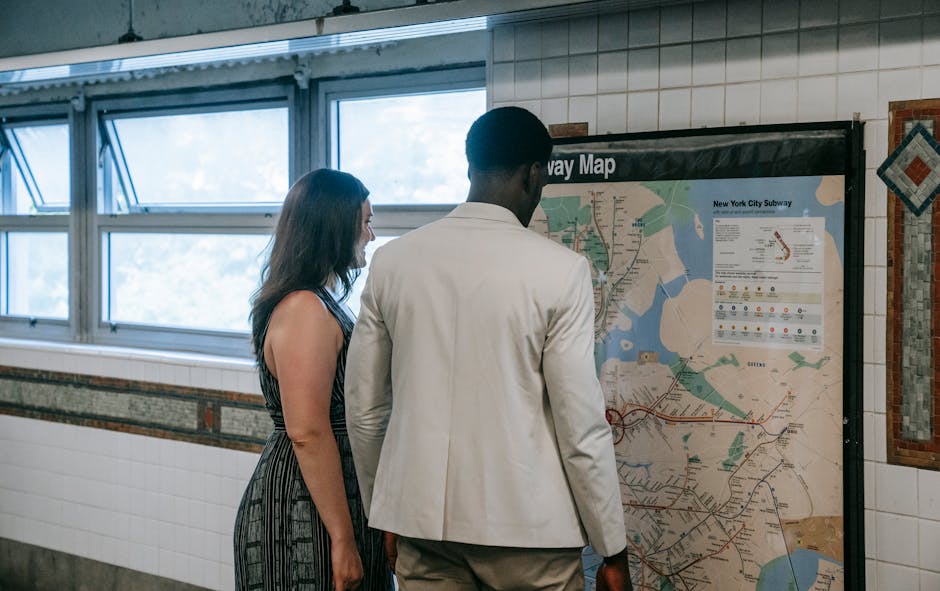
Practically speaking, fares remain very affordable, and buying tickets or passes is straightforward via machines, ticket offices or mobile apps. Validation at the turnstile is mandatory and inspections can be random — always keep your ticket. Standard hours (roughly 05:00–23:30) and frequent peak service cover most travelers’ needs, but planning trips during off-peak times will give you a calmer, more photogenic experience.
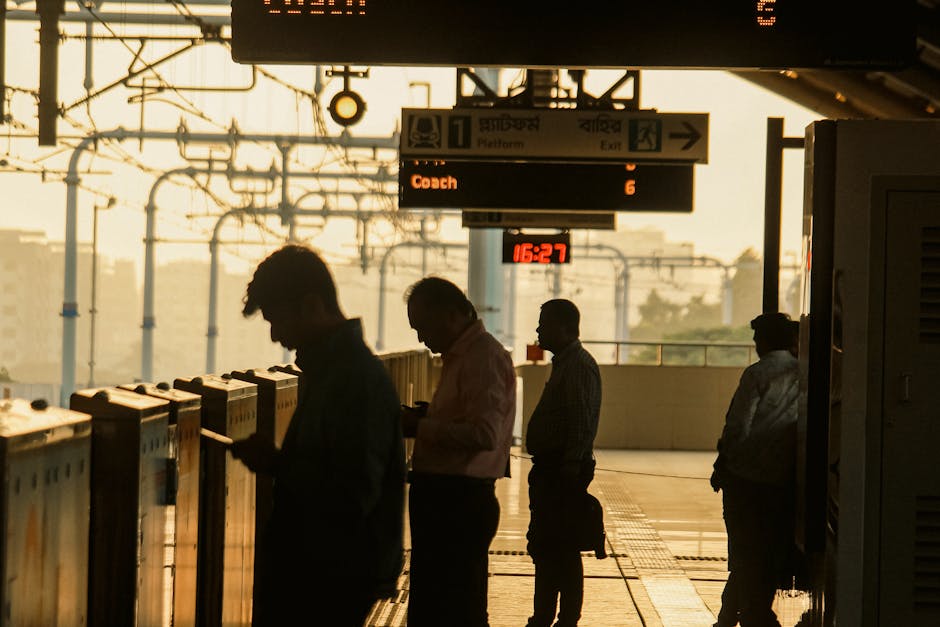
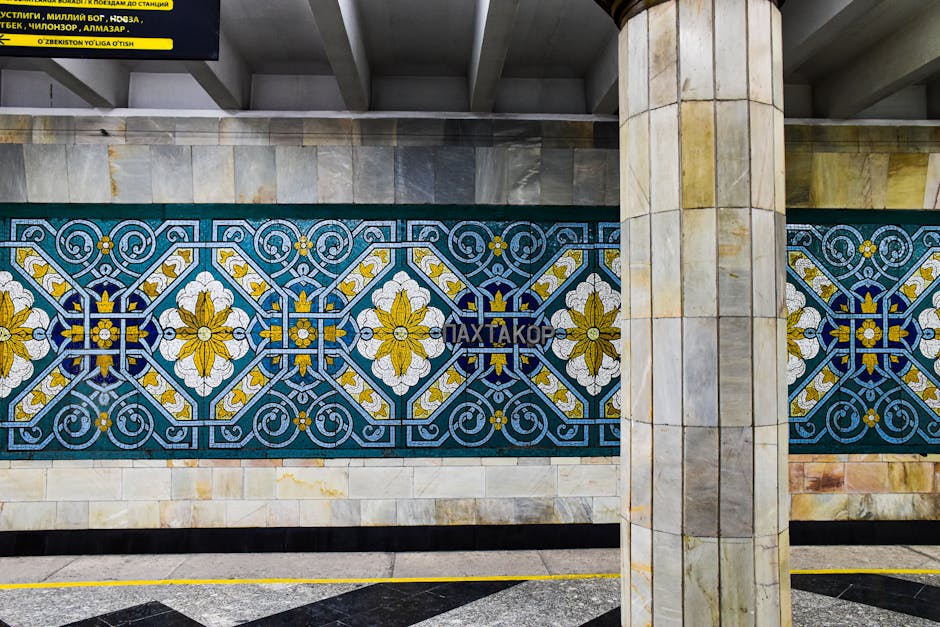
Remember that the metro is also a meeting place and a stage for social observation: street musicians, temporary cultural displays and exchanged glances create a vibe unique to Bucharest. Respect safety rules, adopt local tips (24-hour pass if useful, correct exits for site access), and let yourself be surprised by the details: mosaics, murals and the striking contrast between the modernity of new lines and the historic traces in older stations. Safe travels — and enjoy the metro in Bucharest!